

Milken 2025: The Party of the Rich, Amid a World Falling Apart
At the Milken Institute’s 2025 conference, extravagant parties and high-minded panels converge in an atmosphere of unnerving uncertainty. As elites toast their fortunes, are they blind to the chaos brewing outside?
 Joseph BennettMay 8, 20253 Mins read115
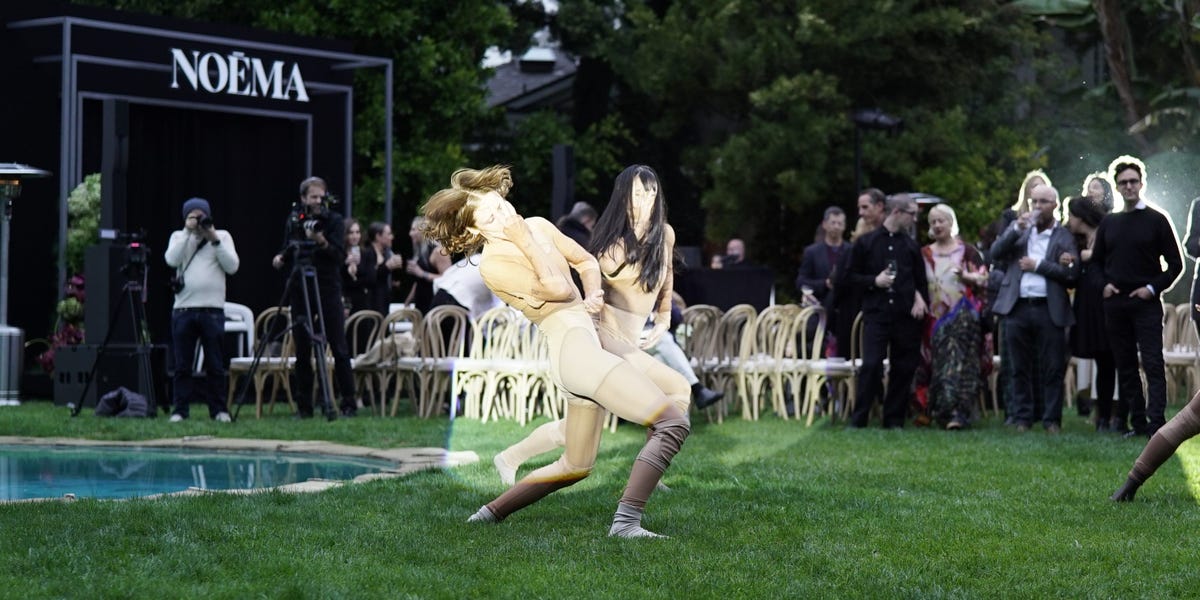
The night was electric in a way that only a private, star-studded event could be—think glittering rooftop, champagne fountains, and music pulsing through the air. The Milken Institute’s 2025 Global Conference had reached its zenith, a dazzling display of wealth, intellect, and power. Yet, amidst the luxury and allure, there was something else in the air, too: an unmistakable sense of disquiet. Was this the future, or simply the last great party before the world’s problems catch up?
The Weight of Unspoken Tensions
For all the talk of innovation and global change in the conference panels, it was clear that something was off. In a year dominated by volatile financial markets, political instability, and environmental collapse, the conference felt more like a brilliant masquerade. Every conversation seemed to hover between visionary predictions and the heavy knowledge that all of it might unravel tomorrow.
During a panel on economic growth, a prominent venture capitalist leaned forward, clearly more animated than the subject warranted. “What we need is bold leadership,” he insisted, though his eyes darted briefly to the nearest exit, perhaps contemplating the price of that very leadership. You could almost hear the unspoken question lingering in the room: Bold leadership for whom? Was it really the rising tech billionaires and hedge fund managers who needed new policies, or was it the millions struggling outside the gilded walls of the conference?
A Dance of Excess
By evening, the tables had turned from theoretical discussions to the kind of decadent indulgence that has become a trademark of Milken’s after-hours affairs. The soirees were nothing short of extravagant: private jets brought in guests from around the world, some arriving in suits worth more than most people’s annual salaries. For a moment, the parties seemed to obscure everything—the rising global tensions, the simmering inequalities, the looming financial crises. In the swirl of fine wines and VIP access, the world outside was easy to forget.
“Everything is fine as long as we don’t look out the window,” said one attendee, a tech mogul who had just closed a deal worth hundreds of millions. His words, though spoken in jest, reflected the uncomfortable truth about these gatherings: they exist in a separate world from the one most people inhabit. A world where the stakes are personal wealth, prestige, and power. Not the stability of the planet or the health of the economy.
The Unseen Underbelly of Wealth
Yet, behind the glitz, there’s a growing unease. As the lavish events continue, so too does the rumbling undercurrent of global instability. What does it mean when the wealthiest in the world can lose themselves in parties while global crises—whether geopolitical tensions or economic collapse—continue to spiral? Can you truly insulate yourself from the world’s problems with a designer tuxedo or a plate of caviar? The Milken Conference, with all its excess, doesn’t just celebrate wealth—it exposes the growing chasm between those who benefit from a fractured world and those who suffer from it.
In hushed conversations behind closed doors, the topic of instability is never far from reach. “What happens when the system breaks?” someone whispered over their glass of vintage champagne. It was a question that felt less like a theoretical thought and more like a ticking clock.
As the days of the conference ticked on, that question lingered, not just in the high-society corners but also in the minds of those who have begun to wonder whether this bubble of affluence can ever truly last. The business deals might have been closed, but the larger question remained: What happens when this false sense of security shatters?
As the last guests spilled out of the final afterparty, their laughter echoing down the empty streets, you couldn’t help but wonder—what is the cost of all this? The parties will end, the limousines will fade into the night, but what about the world outside? Will the very people celebrating in those glittering halls be the ones who pay the ultimate price when the stability they’ve built their fortunes on begins to crumble? Perhaps the question isn’t if the system will break, but when.






How Much Will Trump’s Policies Really Cost Wall Street?
When Donald Trump first took office, his policies were sold as a...
 Kirsten Collins2 Mins read

Buffett, Cook, and the Quiet War for America’s Soul
There was a moment, barely a second long, when Warren Buffett’s smile...
Joseph Bennett3 Mins read
The Deception Behind the Deal: How Bait-and-Switch Pricing Is Shaping Our Desires
It’s the perfect price—a promise of a deal that seems too good...
Joseph Bennett3 Mins read
The 5-Minute Flight: The Future of Urban Travel or Just Another Mirage?
Five minutes. That’s the promise—a blink of an eye and you’re airborne,...
 Chris Marks3 Mins read





Leave a comment