

Holmgren’s Guarantee: Visionary Gamble or Salary Cap Time Bomb?
The Thunder have just pledged a fully guaranteed, five-year, $250 million rookie extension to Chet Holmgren—but is this a bold dynasty-building vision or a precarious financial bet with unseen consequences?
 Joseph BennettJuly 9, 20252 Mins read20
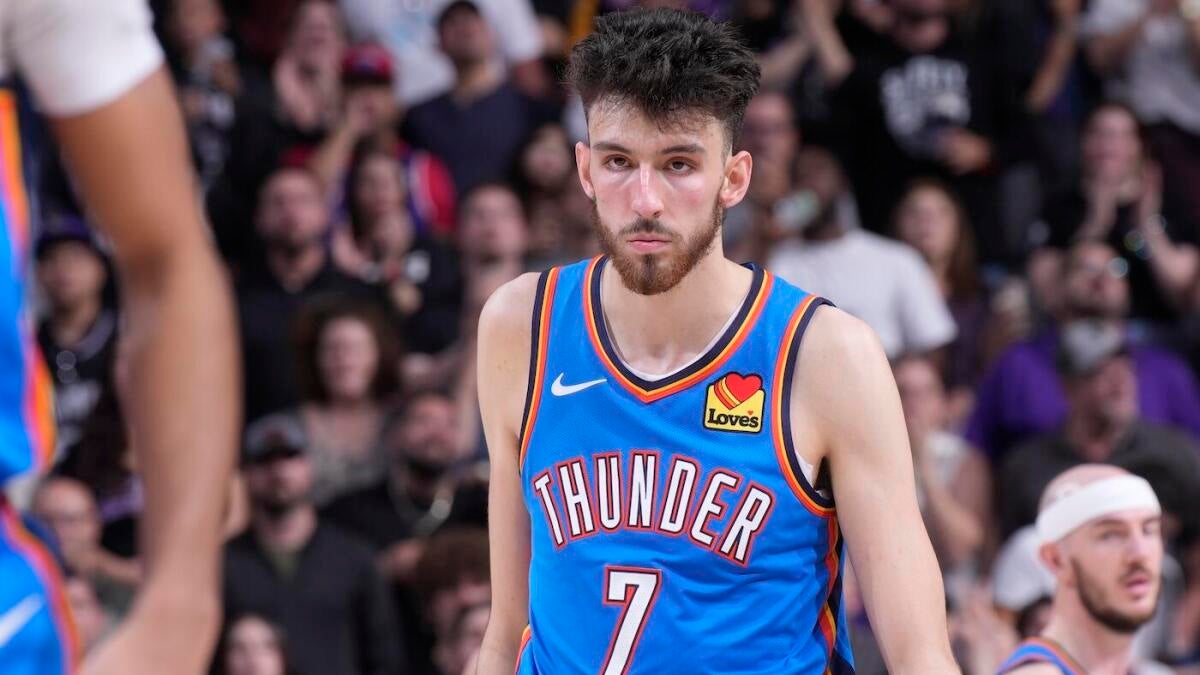
A contract worth a quarter‑billion dollars, inked before one full Thunder season has passed—Chet Holmgren’s new deal arrives like a burst of lightning in Oklahoma City’s summer calm. Fully guaranteed, five years, $250 million if benchmarks are met. But the shock isn’t the headline—it’s what it implies about ambition, risk, and what the Thunder believe they’re building.
Selkie at 23, Holmgren was pivotal in OKC’s 2025 championship run, averaging 15.2 points, 8.7 rebounds, and 1.9 blocks through 23 playoff games—his defensive presence a foundation for the title win. Yet he’s also a player carrying the wounds of major injuries: a ruptured foot cost him his rookie season, and a hip fracture sidelined him for much of 2024–25. So, is that massive guarantee a declaration of faith or a white-knuckle gamble?
Blueprints, Boundaries, and the Bet
Now bundled with MVP Shai Gilgeous‑Alexander—who signed his own $285 million extension just days earlier—the Thunder are locking in their youthful core. Holmgren’s absence would leave a gaping hole; his presence makes their defense near impregnable. But fully guaranteeing $239 million, with upside to $250 million, pushes Thunder into luxury-tax hell—perhaps sooner than expected.
A fanops’ forum erupted in angst: “Holy overpay,” one lamented; “overpaid for potential.” Another speculated if this deal will crowd out future extensions—like that of Jalen Williams. Oklahoma City has the CBA freedom to sign both Holmgren and Williams, but approaching the second apron cap could throttle future maneuverability.
Defensive Anchor or Financial Anchor?
Holmgren isn’t a nebulous prospect. He contests 93% of inside shots, led layup defense in the Finals, set a new record with five blocks in Game 7, and joined an elite duo—Porzingis and Wembanyama—in combining 150+ threes with 250+ blocks within two seasons. Yet that production comes on the heels of serious injuries. Fully guaranteed contracts don’t pause for pelvic fractures.
General Manager Sam Presti noted that the team’s “selflessness and humility” through adversity forged a championship core. But adversity often carries financial consequence—a cap tether that could shape future roster options, from bench players to future breakout stars.
This deal is more than numbers—it’s a narrative choice. Is the Thunder’s story one of fearless commitment to talent? Or is it a cautionary tale about anchoring a dynasty to bodies still vulnerable?
When Holmgren takes the court next season, it won’t just be about rebounding or rim protection—it will also be about whether a full guarantee was genius or overreach. The real question looms: as the paycheck soars, can the Thunder maintain flexibility—or have they mortgaged their margins for one player’s promise, however dazzling?
The answer may hinge not on court performance, but on what comes quietly after the spotlight fades.






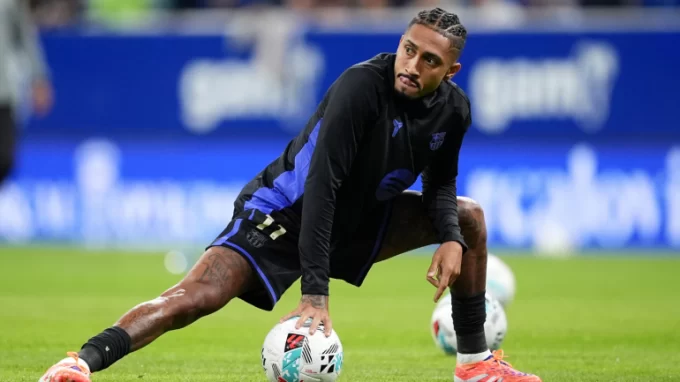
Barcelona’s Fragile Pursuit: When Injuries Threaten More Than Just a Season
A silence spreads over Camp Nou that no roar can drown out—two...
 Chris Marks2 Mins read
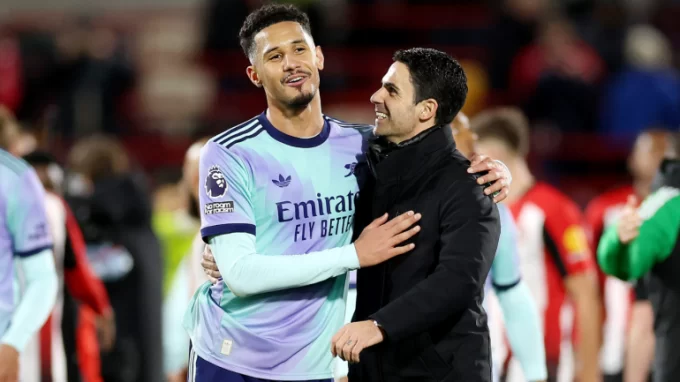
William Saliba: Arsenal’s Silent Architect or Its Greatest Gamble?
The air inside the Emirates shifts with unspoken tension—William Saliba, once a...
Joseph Bennett2 Mins read
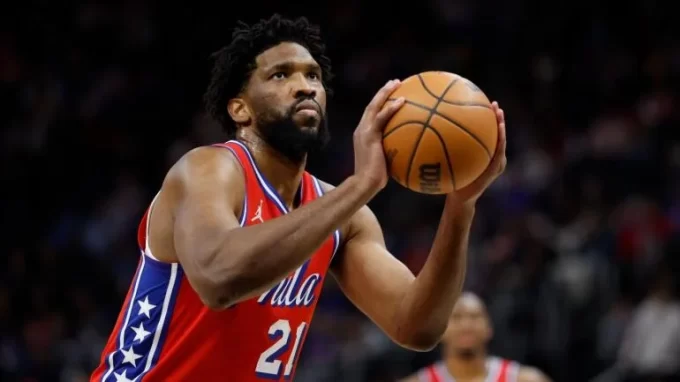
Joel Embiid’s Quiet Confidence: Is the 76ers’ Giant Ready to Rewrite His Story?
Joel Embiid is rarely one to make noise without purpose, and now,...
 Kirsten Collins1 Mins read
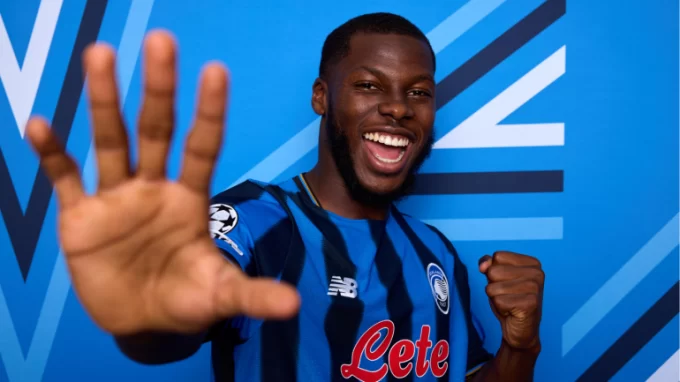
Juventus, Atalanta, and Arsenal’s Quiet Revolution: What’s Really Shaping This Week in Football?
The roar of Serie A stadiums masks a subtle shift, one that...
Kirsten Collins2 Mins read





Leave a comment