

The Hollow Half: Sarah Aziza’s Unfiltered Reclamation of Anorexia
Sarah Aziza's memoir, The Hollow Half, defies the sanitized narratives of eating disorder recovery, intertwining personal trauma, Palestinian heritage, and the complexities of identity. In a world that often demands neat endings, Aziza's story refuses to be confined.
 Krista FreelandMay 1, 20252 Mins read25
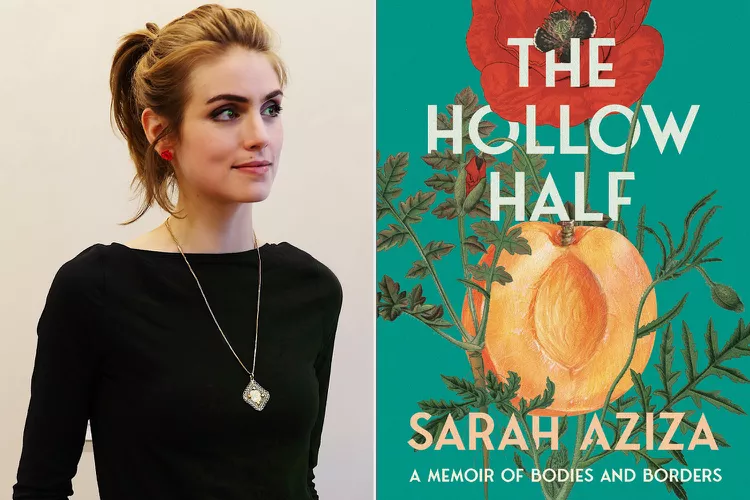
Sarah Aziza’s The Hollow Half is not merely a memoir; it is a deliberate act of defiance against the commodified narratives of eating disorder recovery. In a literary landscape where stories of anorexia often conclude with triumphant recoveries and neatly tied bows, Aziza’s account is raw, unfiltered, and unapologetically complex. Her journey is not just about food and body image; it is about reclaiming a fragmented identity that has been shaped by trauma, cultural erasure, and the weight of assimilation.
The Illusion of Recovery
Aziza’s initial foray into writing about her eating disorder began in journalism school, where she penned a personal essay on loss. However, the narrative that emerged was a sanitized version of her experiences, stripped of nuance and depth. Early published works reduced her complex struggles—including trauma, queerness, and her Palestinian heritage—into digestible, inspiring stories of recovery. These oversimplified portrayals left her feeling erased, her true story obscured by the very medium she sought to use for expression.
A Health Crisis and a Reckoning
In 2019, a health crisis forced Aziza to confront the severity of her illness. At 5’10” and 82 pounds, she was given an ultimatum: treatment or death. Yet, within the sterile walls of the eating disorder ward, she found herself suffocated by behavioral modification techniques that reduced recovery to numbers—calories, pounds, intake forms. This experience highlighted the rigid surveillance and loss of autonomy inherent in mainstream eating disorder treatment, prompting Aziza to question the assumption that such illnesses belong only to rich, white women.
Intergenerational Trauma and Identity
The roots of Aziza’s disorder run deeper than personal experience. In the hollow spaces where hunger festers, she unearths the buried history of her father’s Palestinian identity—an identity he tried to suppress in an effort to sell her the American dream. This exploration reveals how intergenerational trauma and cultural erasure manifest in the body, intertwining personal and collective histories in a complex tapestry of survival.
A Narrative Reclaimed
The Hollow Half is a reclamation of narrative. Aziza’s story refuses to conform to the tidy endings often expected of eating disorder memoirs. Instead, it embraces the disorder’s complexity and her intertwined personal and cultural history, asserting her voice amid ongoing silencing of Palestinian experiences and reductive portrayals of recovery in media. In doing so, Aziza challenges readers to reconsider the narratives they consume and the stories they tell about healing and identity.


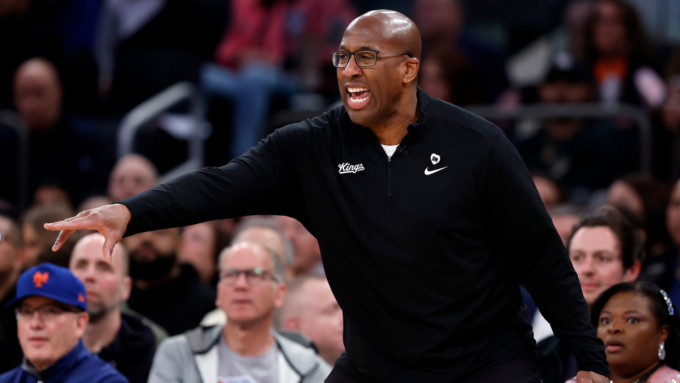





When “107 Days” Meets Outcry: Harris’s Book Tour Interrupted
The microphone crackled to life, and before Harris could finish her opening...
 Chris Marks1 Mins read
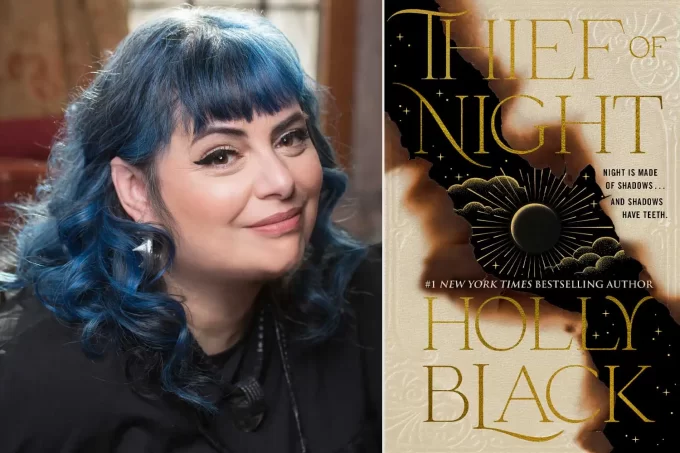
Whispers in the Shadows: Why Holly Black’s Sequel Is a Dark Invitation We Can’t Ignore
The night isn’t just dark—it’s ravenous, greedy, and it’s coming for you....
Chris Marks2 Mins read

Why Stephenie Meyer’s Regret About Edward Changes Everything You Thought You Knew
The moment Stephenie Meyer admitted she wouldn’t pick Edward Cullen today, a...
Chris Marks2 Mins read

When Fear, Fury & Feathers Collide: Cinema, Superheroes, and a Confessional Album
Open with tension—the kind that threads through a scream, a reveal, and...
Chris Marks2 Mins read





Leave a comment