

OKC’s $800 Million Gamble: Are the Thunder Betting on Dynasty or Disaster?
With Jalen Williams joining Shai Gilgeous‑Alexander and Chet Holmgren in a $822 million core, OKC has staked everything on sustained greatness—but is this leap of faith built to last?
 Joseph BennettJuly 10, 20251 Mins read12
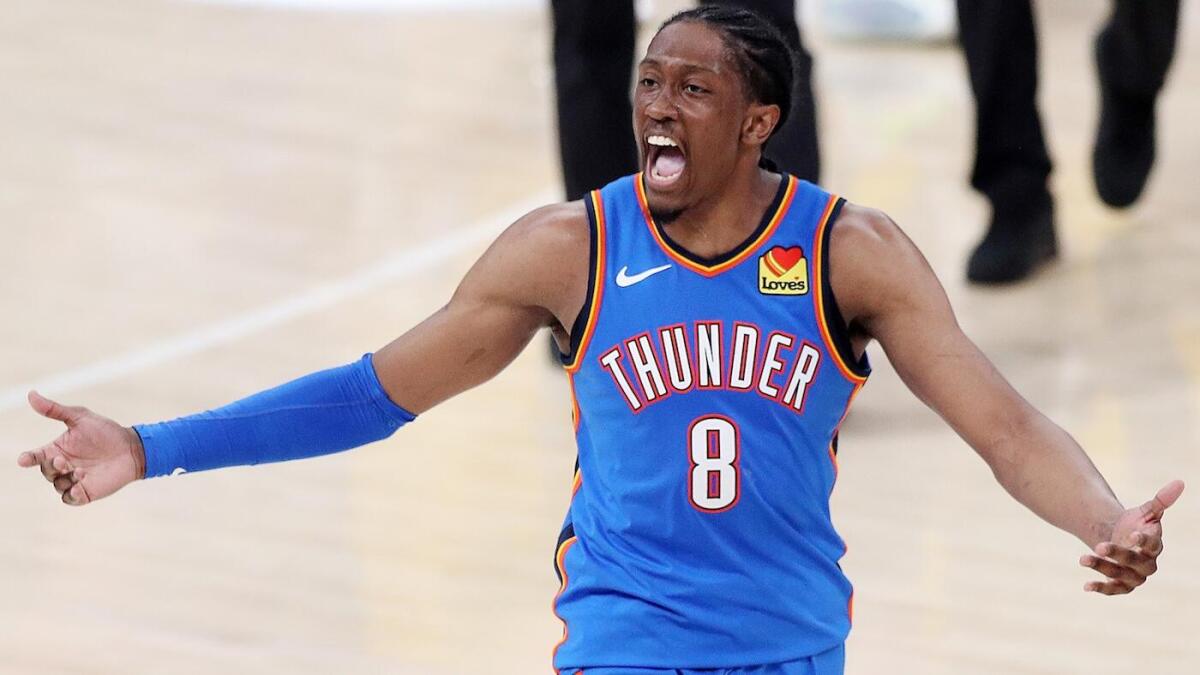
A city dared to dream—and then dared to pay for it. Oklahoma City just committed a staggering $822 million to its “Big Three”: Shai Gilgeous‑Alexander ($285 M), Chet Holmgren ($250 M), and now Jalen Williams with a five‑year, up-to-$287 M rookie max. This isn’t contract writing—it’s legacy scripting. But beneath the sheen of financial muscle, one wonders: is this championship core an empire—or a house of cards?
The league record cap swell underpins their play; yet payroll projections suggest dark clouds: surpassing the luxury tax, flirting with the second apron, facing difficult choices ahead.
Euphoria vs. Endgame
In their title season, the trio dazzled—Williams averaged 21.6/5.3/5.1, earned All-NBA honors, and slayed a torn tendon in the Finals. Holmgren, when healthy, altered games; SGA claimed MVP. This cocktail of youth, skill, and narrative power is rare—almost alchemic.
Still, analysts and fans worry. Being “$38M over the cap” now is one thing—but future seasons loom with Hartenstein and Dort’s team options, cap exceptions evaporating, and tax penalties looming.
Long-Term Vision or Short-Term Risk?
GM Sam Presti doesn’t flinch. Years of pick hoarding, savvy depth-building, and timing the market have led here. But when cap flexibility vanishes and role players are squeezed out, what’s sacrificed becomes as critical as what’s secured .
Witness Nag surrounding SGA signaling contentment—“the market doesn’t matter”—but how long can a franchise lean on culture when contracts bite?
All at once, this team embodies promise and peril. They’ve gambled on continuity, on talent, and on chemistry—but contracts don’t win games; players do. And when the second apron hits, will the empire weather the storm—or crumble under its own enormity?
They’ve bet big; the question now is: will that bet define them—or devour them?


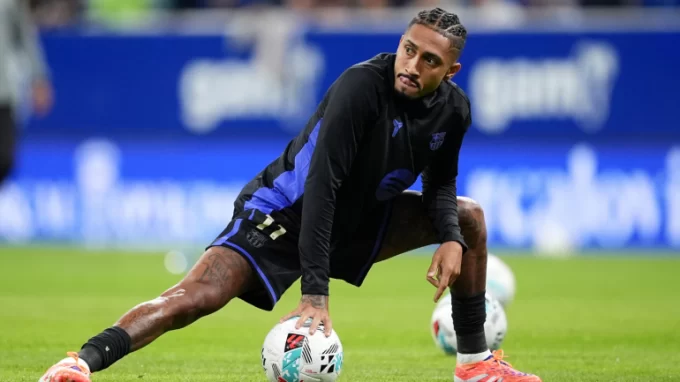
Barcelona’s Fragile Pursuit: When Injuries Threaten More Than Just a Season
A silence spreads over Camp Nou that no roar can drown out—two...
 Chris Marks2 Mins read
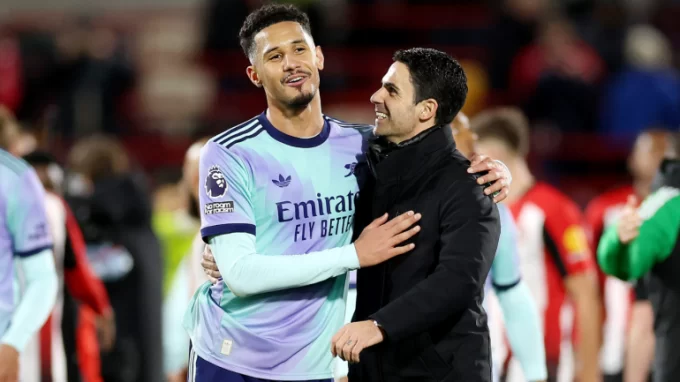
William Saliba: Arsenal’s Silent Architect or Its Greatest Gamble?
The air inside the Emirates shifts with unspoken tension—William Saliba, once a...
Joseph Bennett2 Mins read
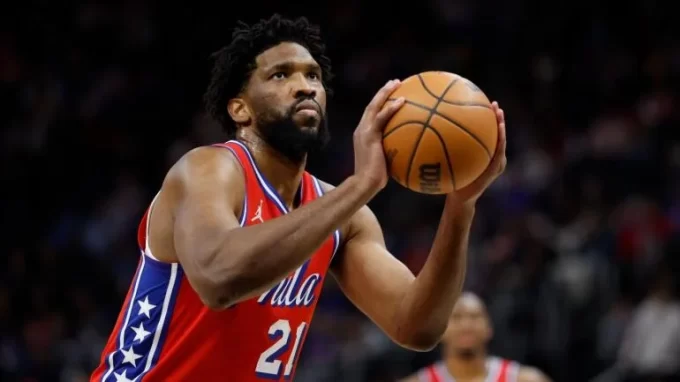
Joel Embiid’s Quiet Confidence: Is the 76ers’ Giant Ready to Rewrite His Story?
Joel Embiid is rarely one to make noise without purpose, and now,...
 Kirsten Collins1 Mins read
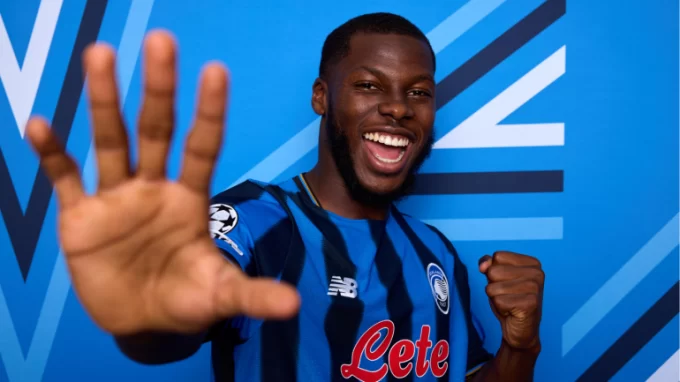
Juventus, Atalanta, and Arsenal’s Quiet Revolution: What’s Really Shaping This Week in Football?
The roar of Serie A stadiums masks a subtle shift, one that...
Kirsten Collins2 Mins read




Leave a comment