

“Beyond the Whistle: Why the Timberwolves’ True Challenge Lies Deeper Than Shai’s Free Throws”
In Game 1 of the Western Conference Finals, the Minnesota Timberwolves' frustrations with Shai Gilgeous-Alexander's foul-drawing tactics overshadowed a more pressing issue: their own systemic breakdowns. As the series progresses, the question remains: can Minnesota recalibrate before it's too late?
 Krista FreelandMay 21, 20252 Mins read154
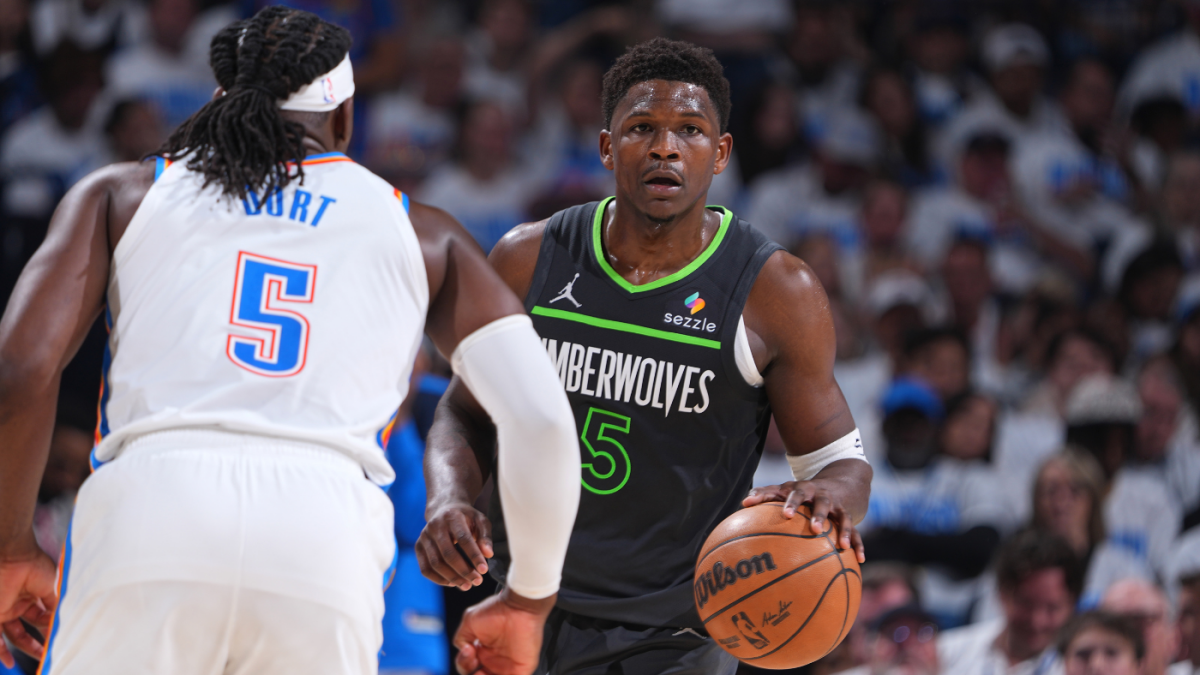
The whistle blows, and the Timberwolves’ collective frustration is palpable. Shai Gilgeous-Alexander stands at the free-throw line once again, his arms raised in that familiar motion that has become a point of contention. Fourteen free throws in a single game—an impressive feat, yet one that has sparked debates across the league. Critics argue that Gilgeous-Alexander’s ability to draw fouls is a testament to his skill; others claim it’s a strategic manipulation of the rules. But for the Timberwolves, this focus on the whistle may be blinding them to a more significant issue.
The Real Problem: Turnovers and Offensive Stagnation
While the free-throw debate rages on, the Timberwolves’ performance tells a different story. In Game 1, they committed 19 turnovers, six of which occurred in the first quarter alone. Anthony Edwards and Jaden McDaniels, typically reliable, were responsible for four of those early miscues. Julius Randle added another, and Donte DiVincenzo contributed one more. These turnovers didn’t just halt offensive momentum; they handed the Thunder easy transition points, with Oklahoma City capitalizing on 31 points off these mistakes. Such lapses are not merely statistical anomalies—they are symptoms of a deeper systemic issue.
Coach Chris Finch acknowledged the team’s impatience and ineffective adjustments. “We have to be able to kind of put that to the side [and have a] get on with the next play mentality,” he stated post-game. This mindset is crucial, yet the question arises: can the Timberwolves truly shift their focus from officiating frustrations to addressing their own gameplay deficiencies?
Anthony Edwards: A Star in Need of Adjustment
Anthony Edwards, the Timberwolves’ star guard, faced a formidable challenge in Game 1. Oklahoma City’s defense, led by Alex Caruso’s tight coverage, effectively neutralized Edwards’ offensive impact. He managed only 13 points on 5-of-13 shooting and committed more turnovers than assists. Despite tweaking his ankle, Edwards insisted it wasn’t the injury that hindered him but rather the Thunder’s defensive schemes. “I definitely got to shoot more, I only took 13 f—ing shots,” he remarked. However, the issue may not solely be his shot attempts but how he navigates the defensive pressure. The Thunder’s double-teams and paint congestion forced Edwards into difficult decisions, often leading to turnovers or contested shots. Can Edwards adapt his game to outmaneuver these defensive strategies?
The Bigger Picture: Defensive Discipline and Depth
While much attention has been given to individual performances, the Thunder’s collective defensive effort cannot be overlooked. Oklahoma City’s ability to stifle the Timberwolves’ offense, particularly in the second half, showcased their depth and discipline. The Timberwolves, on the other hand, struggled with shooting efficiency, managing only 17.2% from beyond the arc from their bench players. This disparity highlights a critical imbalance: the Timberwolves’ reliance on a few key players without sufficient support from the rest of the roster. To contend with the Thunder, Minnesota must cultivate a more balanced offensive attack and bolster their defensive resilience.
As Game 2 approaches, the Timberwolves stand at a crossroads. Will they continue to fixate on perceived officiating biases, or will they confront the internal challenges that have hindered their performance? The true test lies not in the referees’ whistles but in Minnesota’s ability to adapt, adjust, and overcome the multifaceted obstacles the Thunder present. Only time will tell if the Timberwolves can recalibrate their focus and rise to the occasion.

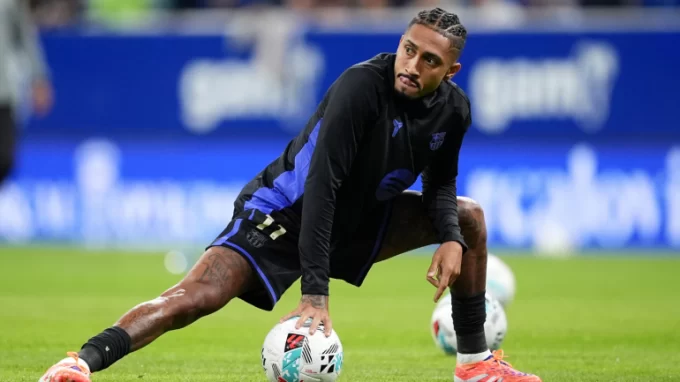
Barcelona’s Fragile Pursuit: When Injuries Threaten More Than Just a Season
A silence spreads over Camp Nou that no roar can drown out—two...
 Chris Marks2 Mins read
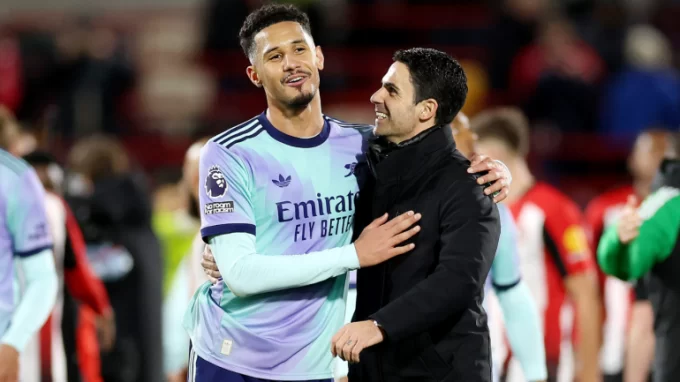
William Saliba: Arsenal’s Silent Architect or Its Greatest Gamble?
The air inside the Emirates shifts with unspoken tension—William Saliba, once a...
 Joseph Bennett2 Mins read
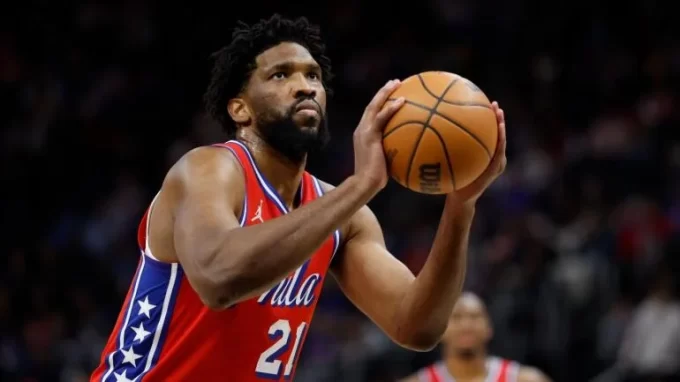
Joel Embiid’s Quiet Confidence: Is the 76ers’ Giant Ready to Rewrite His Story?
Joel Embiid is rarely one to make noise without purpose, and now,...
 Kirsten Collins1 Mins read
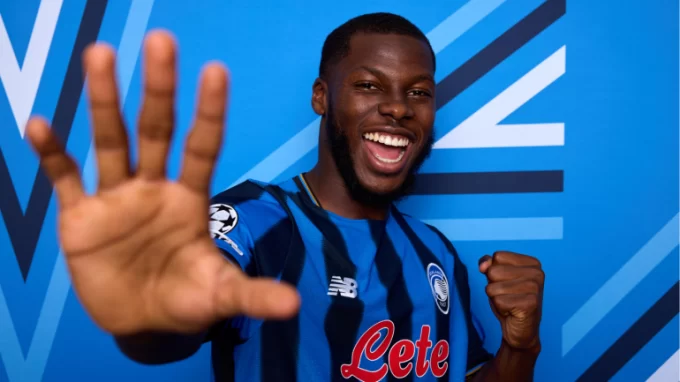
Juventus, Atalanta, and Arsenal’s Quiet Revolution: What’s Really Shaping This Week in Football?
The roar of Serie A stadiums masks a subtle shift, one that...
Kirsten Collins2 Mins read


Leave a comment