

The Prophecy of the Pitcher
Arizona’s Brandon Pfaadt isn’t just pitching for the Diamondbacks—he’s pitching for a new kind of belief. And Vegas is watching.
 Chris MarksAugust 5, 20252 Mins read25
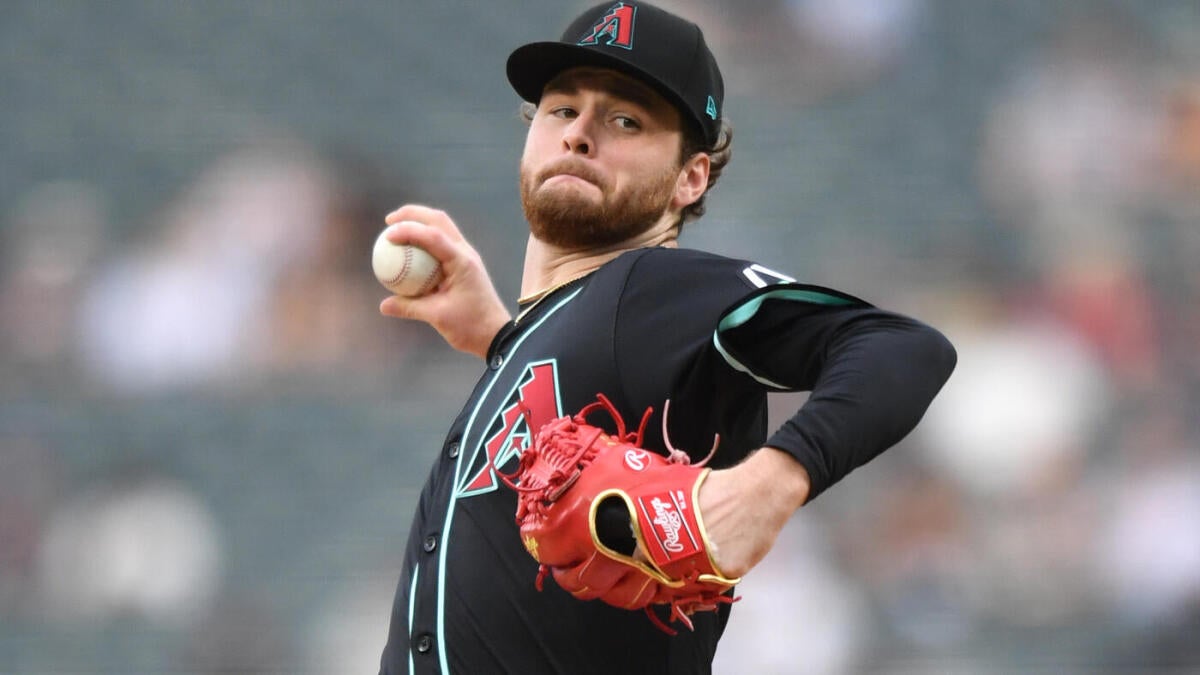
The quiet ones are always the most dangerous. Brandon Pfaadt, the Arizona Diamondbacks starter with the poise of a veteran poker player, doesn’t roar. He glides. He takes the mound like a man who already knows how it ends, and most nights, Vegas agrees with him.
Tuesday’s matchup against the Padres was a case study in predictive seduction. Sharps weren’t just betting the game—they were betting Pfaadt himself. Strikeouts, to be exact. Not just if he’d pitch well, but how many times he’d make a man miss badly. The line hovered like cigarette smoke: 5.5. The whispers said over. The algorithms said over. And Pfaadt—like something out of a Soderbergh cutaway—made it look inevitable.
Numbers, Nerves, and the Narrative Machine
We don’t talk about MLB prop bets like we should. Not as sport. As psychology. As culture. Because to bet on strikeouts is to bet on failure, but elegant failure. To believe a man can be so good at destroying rhythm that he bends probability to his will. And in this, Pfaadt has become a sort of myth—sharp-limbed, underexposed, and quietly terrifying.
“There’s just a calm in his sequencing,” a scout murmured behind the dugout, almost protectively. You can’t measure that. But in an era where every pitch is tracked, dissected, monetized, we’re not watching for emotion—we’re watching for pattern. For edges. For inefficiencies we can weaponize.
Pfaadt doesn’t play for the highlight reel. He plays like a spreadsheet ghost: haunting, accurate, and barely visible. And that makes him invaluable to the one crowd more cold-blooded than his own rotation: bettors.
Baseball’s New Religion Is Probability
The shift has already happened—you just didn’t notice. It’s not about teams anymore. It’s about moments. Micro-events. The alchemy of a single pitch, a single batter, a single collapse. Baseball has always had its priests, but now it has prophets. And their sermons are delivered in decimal odds and cash-out options.
When Brandon Pfaadt throws six strikeouts, he doesn’t just help his team win. He affirms something deeper for the believers in the bleachers and behind the apps: that control is still possible. That chaos can be tamed, if only for a moment, with the right arm and the right analytics. It’s almost poetic, really—that faith in a man’s elbow could mean so much to a stranger with a FanDuel tab open in Ohio.
But then, poetry and baseball have always shared a strange bed. The rhythm. The mythology. The violence in disguise.
So maybe this isn’t just a pitcher on a Tuesday in August. Maybe it’s a prophecy, mid-delivery. The kind you don’t even know you’re a part of until the bet cashes—or doesn’t.
And the ball, spinning mid-air, never cared either way.



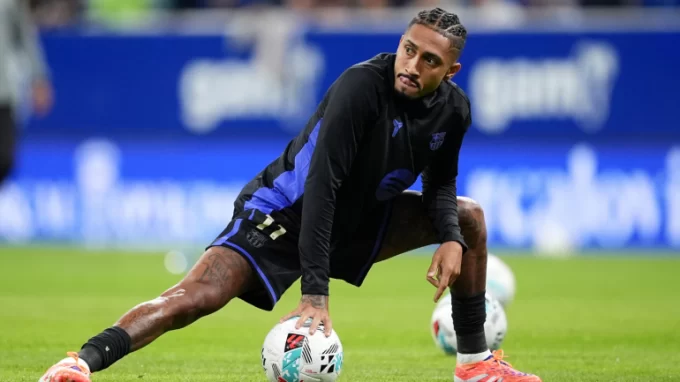
Barcelona’s Fragile Pursuit: When Injuries Threaten More Than Just a Season
A silence spreads over Camp Nou that no roar can drown out—two...
Chris Marks2 Mins read
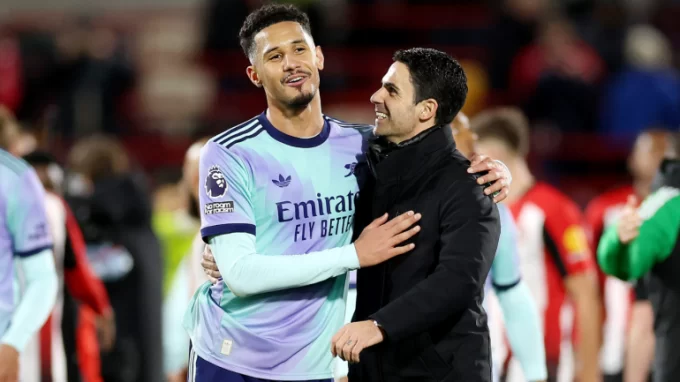
William Saliba: Arsenal’s Silent Architect or Its Greatest Gamble?
The air inside the Emirates shifts with unspoken tension—William Saliba, once a...
 Joseph Bennett2 Mins read
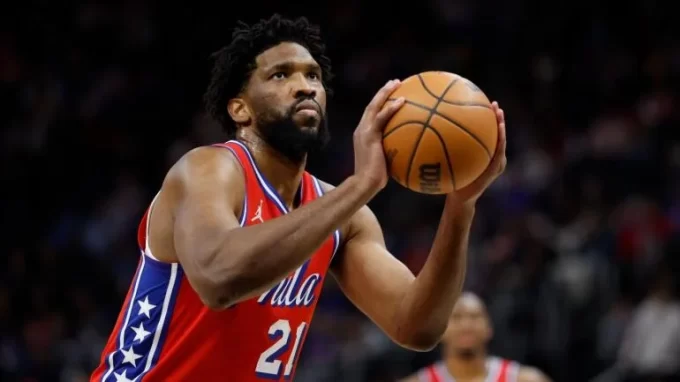
Joel Embiid’s Quiet Confidence: Is the 76ers’ Giant Ready to Rewrite His Story?
Joel Embiid is rarely one to make noise without purpose, and now,...
 Kirsten Collins1 Mins read
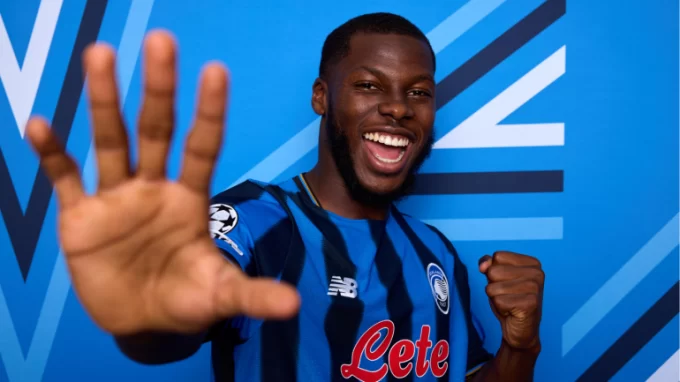
Juventus, Atalanta, and Arsenal’s Quiet Revolution: What’s Really Shaping This Week in Football?
The roar of Serie A stadiums masks a subtle shift, one that...
Kirsten Collins2 Mins read





Leave a comment