

Tongue Scraping: Clean Mouth, Clear Mind—or Just Another Wellness Myth?
Touted as a cure for bad breath and a centuries-old ritual of clarity, tongue scraping has found its way into modern bathrooms. But is it science-backed… or just oddly satisfying?
 Kirsten CollinsApril 3, 20251 Mins read79
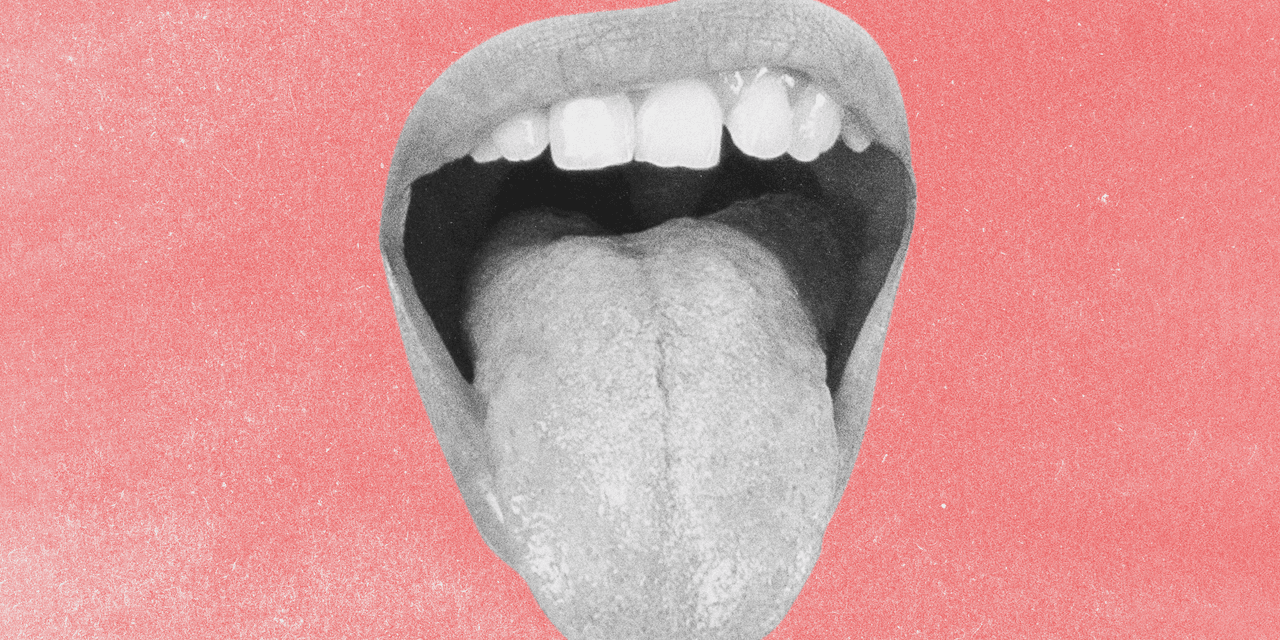
It’s metal. It’s minimalist. And it lives somewhere between your toothbrush and your gua sha. Tongue scraping, once a quiet corner of Ayurvedic tradition, has now glided into modern wellness like a stainless-steel secret weapon. But does it actually cure bad breath—or just give the illusion of control?
One scrape, and the result is visible—shockingly so. A pale film of bacteria, dead cells, leftover coffee, morning dread. Rinsed off in one swift motion. The appeal is obvious: instant gratification, zero tech, no subscription required. But for a ritual so simple, the claims are surprisingly grand: clearer breath, enhanced taste, better digestion, even mental clarity.
Fresh Breath or False Hope?
Here’s what science does say: the tongue harbors bacteria—some helpful, some not. And much of the odor-causing kind settles into its grooves overnight. Removing that layer can reduce volatile sulfur compounds (VSCs), the culprits behind morning breath and awkward elevator silences.
But scraping alone isn’t a silver bullet. If your bad breath stems from gut issues, dehydration, or dental problems, no copper wand can fix it. Still, for many, it’s a reliable, low-effort boost. Dentists may not swear by it—but few argue against it. As one hygienist put it: “It’s not a cure, but it’s cleaner.”
Why It’s Really Catching On
Beyond the biofilm lies something deeper. In a world obsessed with detoxing, tongue scraping offers the rare illusion of visible purification. Unlike flossing (invisible) or mouthwash (temporary), scraping shows you the result. That simple cause-effect loop scratches a psychological itch few other habits can.
And then there’s the aesthetic: a ritual that feels ancient, intentional, oddly elegant. No apps, no tracking, just a brief, tactile check-in with your body. A moment of control in a day that might otherwise spiral.
So yes, scrape your tongue. Clear the gunk. Chase the minty morning ideal. Just know: fresh breath may be the goal—but the real reward might be the ritual.






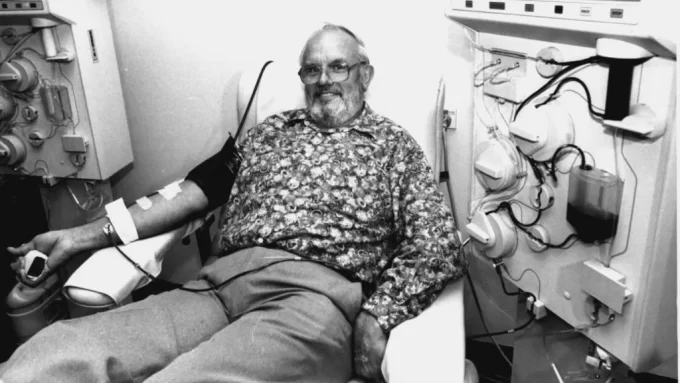
The Man Who Bled for Millions
He saved over 2.5 million babies, but no one ever recognized him...
Kirsten Collins2 Mins read
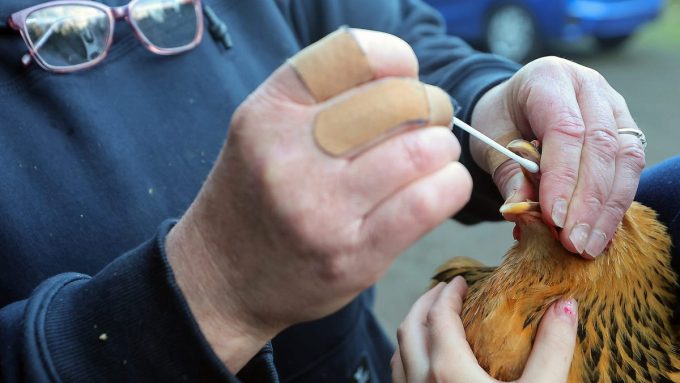
The Silence Before the Sneeze
A dead bird, limp on the edge of a sidewalk in Guangdong,...
Kirsten Collins2 Mins read

The Fetishization of Fear: RFK Jr. and the Vaccine Fetuses Lie
It begins, as these things always do, with a whisper dressed as...
Kirsten Collins2 Mins read

The Lie That Keeps Mutating
The seduction of scandal is ancient, but its latest host is disturbingly...
Kirsten Collins2 Mins read




Leave a comment