

Zverev’s Rome Drama: Is He Just Playing the Blame Game?
When Alexander Zverev opened up about his disappointing Rome exit, he didn’t just take aim at his performance—he pointed fingers. But top analysts are questioning whether his words are undermining more than just his results.
 Joseph BennettMay 15, 20252 Mins read25
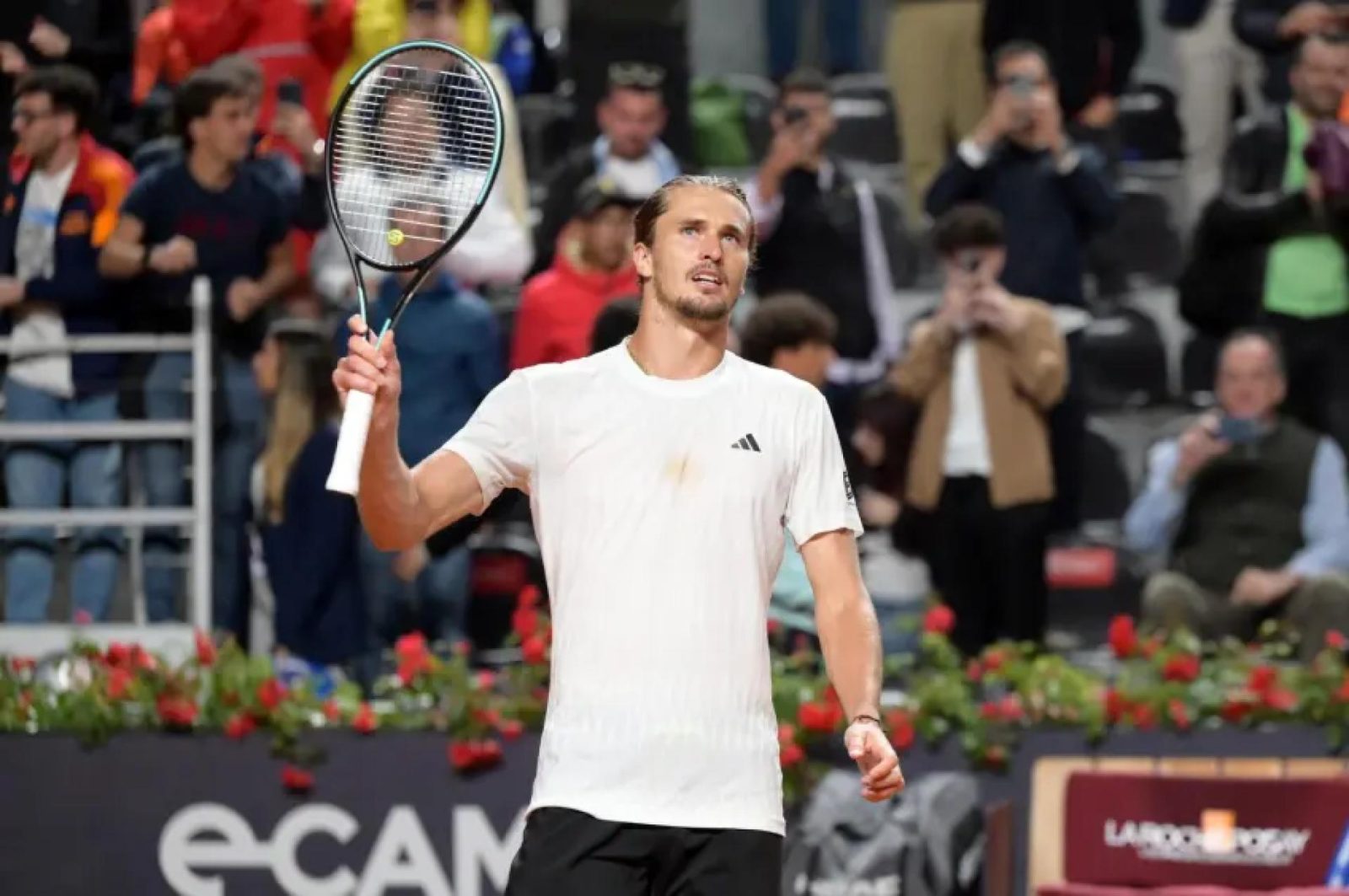
It wasn’t just a loss—it was a statement. Alexander Zverev’s unexpected exit from the 2025 Rome Open left more than just a few questions about his game—it stirred up a storm of commentary. The German player, known for his ferocity on the court, was not short on opinions after his defeat. “I didn’t feel like I was playing my best,” he said. But it wasn’t just his performance that was under fire; it was the context surrounding it. And, to the surprise of many, it wasn’t the fans who were most critical—it was some of the sport’s sharpest analysts.
The tennis world is notorious for its quick judgments, but Zverev’s post-match analysis came across as an odd blend of self-reflection and blame. In the wake of his exit, he didn’t just critique his technical game—he pointed to factors outside his control. He spoke of “mental fatigue” and “the weight of expectations,” hinting at the pressure he’s been under. But was this a calculated excuse, or a genuine attempt to explain his struggles?
The Performance of Excuses
At first glance, Zverev’s words might seem like a candid admission of the burden that comes with being a top-tier player. After all, the weight of expectation can break even the most seasoned professionals. Yet, top analysts have raised an eyebrow. Was this an honest moment of vulnerability, or a slip into the kind of excuse-laden rhetoric that the tennis elite have long condemned?
“It’s easy to point fingers,” remarked one leading tennis analyst. “But real champions don’t let distractions overshadow their play—they rise above them.” And therein lies the catch: Zverev’s career has, up until now, been marked by moments of brilliance that promise greatness, but also by frequent dips into frustration. A tennis star is only as good as their mental game, and Zverev’s comments, no matter how honest, could be seen as another crack in his mental armor.
The Crux of the Issue
The more Zverev speaks about mental fatigue, the more it feels like a deeper issue within the sport itself. Is tennis, with its relentless schedule and pressure-filled atmosphere, inherently draining? Or are we simply seeing a player who is buckling under the weight of his own expectations? Zverev has spoken candidly about his struggles before—yet each admission seems to be followed by a similar cycle of highs and lows. In a sense, it’s not just the tennis that’s being tested, but Zverev’s ability to handle the storm that comes with fame and expectation.
A true champion, the greats say, doesn’t just conquer their opponents—they conquer their inner demons. Perhaps this isn’t the battle Zverev wants to admit he’s fighting, but is it the battle he’s truly in?
Zverev’s statements reveal something much more significant than a temporary blip in his form. They highlight a persistent struggle that goes beyond technique or conditioning. And perhaps that’s the most unsettling thought of all—if Zverev doesn’t begin to tame the mental side of his game, will his physical gifts ever truly shine?
We wait. And we wonder: when the real test comes, will he rise to it—or will he remain trapped in the cycle of external blame and internal uncertainty? The real question isn’t about the Rome loss—it’s about the invisible battle taking place beneath the surface. And only time will reveal the true cost of his mental game.







Barcelona’s Fragile Pursuit: When Injuries Threaten More Than Just a Season
A silence spreads over Camp Nou that no roar can drown out—two...
 Chris Marks2 Mins read

William Saliba: Arsenal’s Silent Architect or Its Greatest Gamble?
The air inside the Emirates shifts with unspoken tension—William Saliba, once a...
Joseph Bennett2 Mins read

Joel Embiid’s Quiet Confidence: Is the 76ers’ Giant Ready to Rewrite His Story?
Joel Embiid is rarely one to make noise without purpose, and now,...
 Kirsten Collins1 Mins read
Juventus, Atalanta, and Arsenal’s Quiet Revolution: What’s Really Shaping This Week in Football?
The roar of Serie A stadiums masks a subtle shift, one that...
Kirsten Collins2 Mins read





Leave a comment