

The NFL’s Free Agent Dilemma: Why Are Former All-Pros Still Left on the Market?
As the NFL's free agency window drags on, former All-Pro defensive players remain untouched, raising questions about the shifting power dynamics in the league. What does their silence on the market really mean for the game’s future?
 Joseph BennettMay 8, 20253 Mins read35
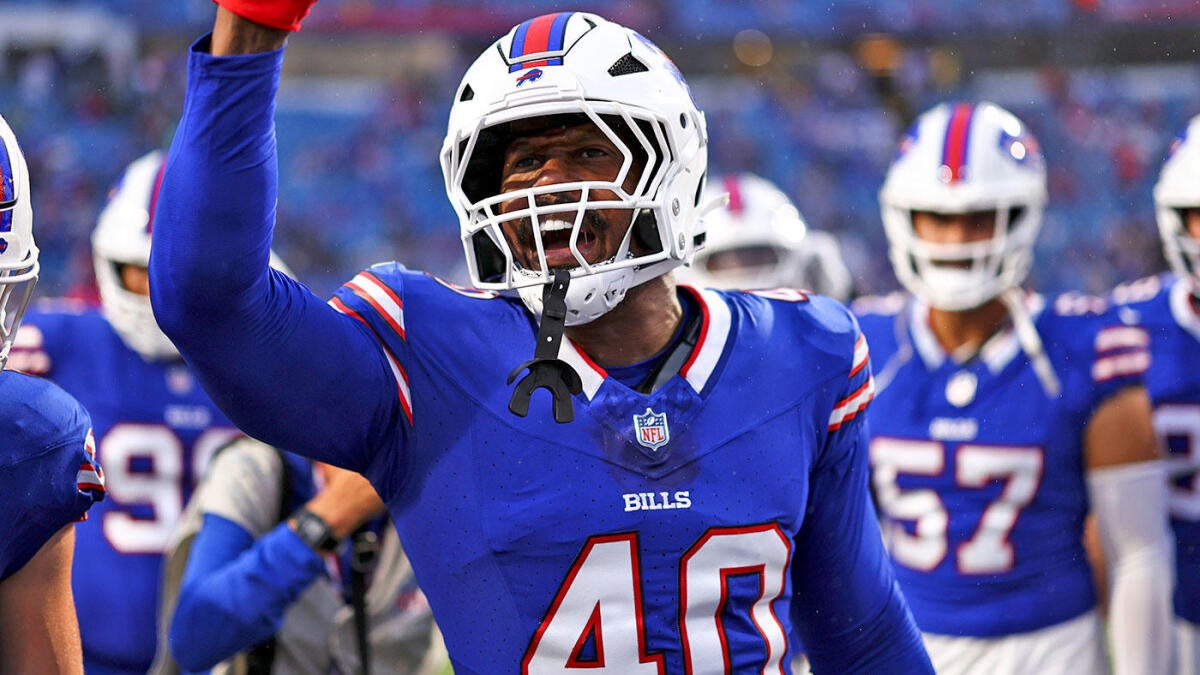
There’s a chilling silence hanging over the NFL’s free agency period. A strange paradox in a league defined by constant motion. Former All-Pro defensive players—once marquee names—remain unsigned, waiting like forgotten stars in the wings. Their names, which would have lit up news cycles mere years ago, have now become almost an afterthought. But why? What does this tell us about the game, and, more importantly, about where the league is heading?
Consider the conundrum: several elite defensive players, some who’ve carried the weight of their teams for years, remain on the open market despite having proven track records of success. These are players who once dominated the field—men with resumes heavy enough to convince even the most reluctant general manager to take a chance. Yet, here they stand, waiting. Their future uncertain. Is this an anomaly, or is it the first sign of a seismic shift in how NFL teams view their rosters?
The Decline of the Defensive Star
In an era where the NFL is increasingly obsessed with high-flying offenses and quarterback-driven narratives, the role of the defensive player seems to be fading into the background. It’s not that defense has become irrelevant—far from it. But the game is being shaped around offensive fireworks, with an emphasis on the next great quarterback, wide receiver, or running back. So, where does that leave the stalwarts of the defensive side? Men like Jalen Ramsey, Chandler Jones, or Bobby Wagner—players whose names once inspired fear—now seem like relics of a past era. Their value, once seen as immeasurable, now feels almost… optional?
“It’s an arms race for quarterbacks, and everything else just falls into place,” says one former NFL executive. “The league is moving away from building dominant defenses. Teams are more inclined to build for the shootout rather than the shutdown.”
But it’s not just about the changing nature of the league. There’s something deeper at play here, a tectonic shift that speaks to the way NFL teams are managing risk and value. Are these free agents simply casualties of a market that values youth and potential more than proven dominance?
The Cost of Experience
In a league where contracts are ballooning and every dollar counts, the economics of signing a veteran defensive player are becoming increasingly hard to justify. Aging stars demand a premium, and while their leadership and skill are undeniable, their long-term value is increasingly questionable. Teams are looking at the cost-benefit ratio and opting for younger, cheaper options who might develop into stars over time. Why pay top dollar for an established veteran when you can invest in a rookie who could become a cornerstone of the franchise?
But there’s a danger in this approach—a kind of short-sightedness that ignores the psychological and strategic power of a veteran defensive presence. The intangible benefits of leadership and wisdom, things that aren’t easily quantified, often make the difference in close games. Yet, the trend is undeniable: youth is cheap, and experience is expensive.
And yet, does this shift in priorities signal a broader crisis in the league? Could the NFL be heading toward a future where experience is a burden rather than an asset? Is it possible that the very backbone of the game—veteran players who can make those last-minute, game-changing stops—has been devalued in favor of the quick fix, the splashy draft pick?
Where Does That Leave the Players?
The most pressing question is what happens to these players left in the limbo of free agency? For all their accolades and accomplishments, they now face the stark reality that their worth is no longer measured by their on-field achievements. Instead, they are seen as expendable—merely “options” to be picked up if a team is desperate enough. Could some of these aging stars be approaching the end of the line, or is this simply a symptom of a rapidly evolving game?
The silence surrounding their status might speak more loudly than any signing or headline could. It’s a reminder that in a league driven by relentless reinvention, even the most iconic players are not immune to the rapid pace of change. And perhaps more unsettling, it raises the question: in a game where the best are often overlooked or discarded, who—if anyone—truly controls the future of football?
For these free agents, the clock is ticking. And while their careers may not be over, they are being forced to navigate a landscape that is increasingly indifferent to their legacy.
As teams continue to reshape their rosters, these players will watch, waiting for their moment to reenter the fray. But one thing is certain: nothing in the NFL is ever guaranteed, and in this new, fast-paced, quarterback-driven world, even the stars can fade into obscurity faster than anyone imagined.
What happens when the stars burn out?





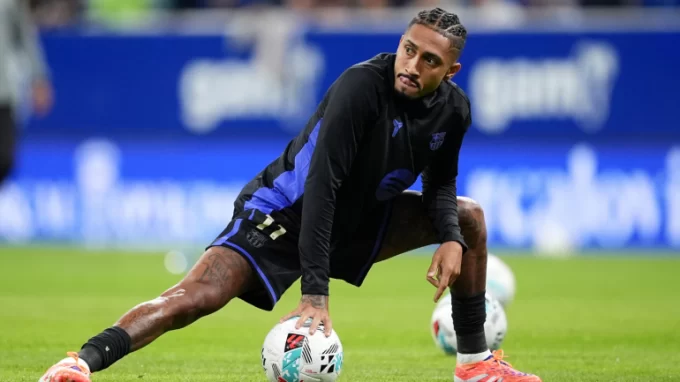
Barcelona’s Fragile Pursuit: When Injuries Threaten More Than Just a Season
A silence spreads over Camp Nou that no roar can drown out—two...
 Chris Marks2 Mins read
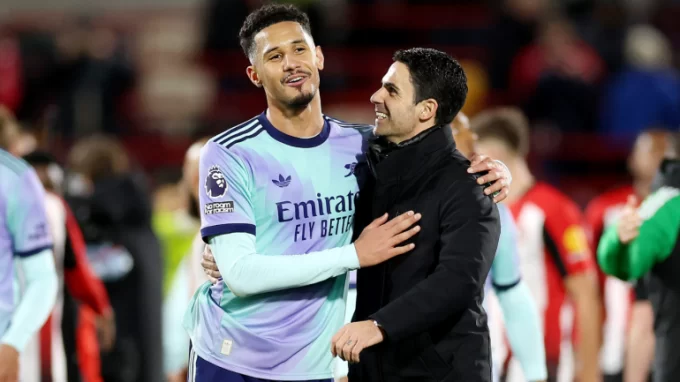
William Saliba: Arsenal’s Silent Architect or Its Greatest Gamble?
The air inside the Emirates shifts with unspoken tension—William Saliba, once a...
Joseph Bennett2 Mins read
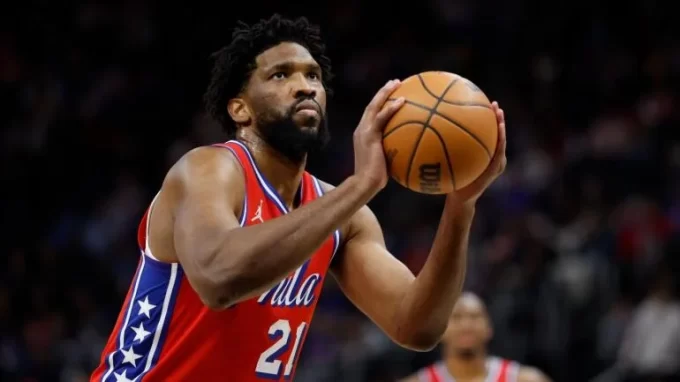
Joel Embiid’s Quiet Confidence: Is the 76ers’ Giant Ready to Rewrite His Story?
Joel Embiid is rarely one to make noise without purpose, and now,...
 Kirsten Collins1 Mins read
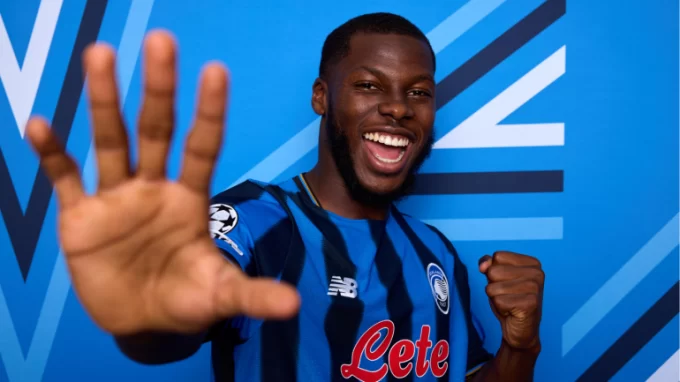
Juventus, Atalanta, and Arsenal’s Quiet Revolution: What’s Really Shaping This Week in Football?
The roar of Serie A stadiums masks a subtle shift, one that...
Kirsten Collins2 Mins read





Leave a comment