

Tua Tagovailoa’s Comeback or Quiet Crisis? The Signal from the Gridiron Shadows
Tua Tagovailoa’s first snaps in a preseason opener since 2021 reveal cracks beneath the surface of Miami’s hopes—yet the narrative is far more complicated than missed throws and tentative footwork.
 Chris MarksAugust 11, 20252 Mins read24
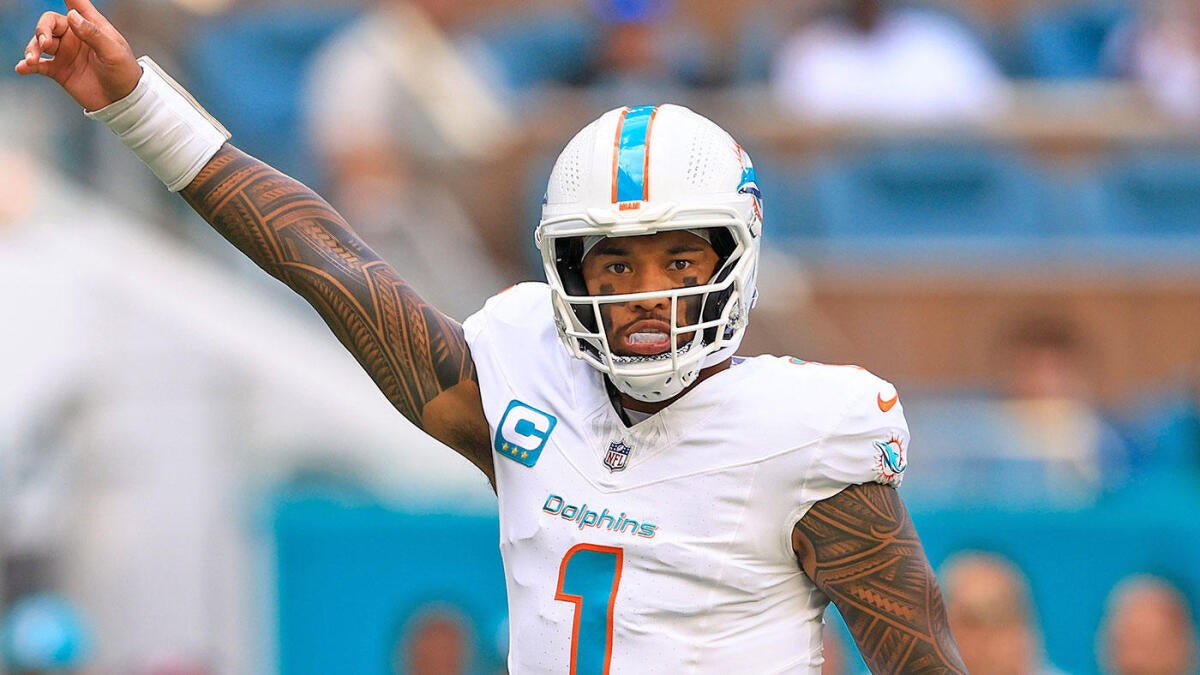
He stepped onto the field with the weight of two lost seasons stitched into the fabric of his jersey—every movement a question mark poised between hope and hesitation. Tua Tagovailoa, once the golden boy of Miami’s offensive dreams, now faces a moment that is less about a comeback and more a reckoning: how does a player reclaim not just form, but faith, in a league that moves ruthlessly forward? Watching him during joint practices with the Bears and his tentative first preseason snaps, you don’t just see a quarterback throwing passes—you see the fragile choreography of trust in an unforgiving spotlight.
The narrative surrounding Tagovailoa’s struggles is often reduced to injury lists or highlight reels of missed throws. But what if his challenge is less about physical limitations and more a symbol of the shifting architecture of modern football? A quarterback returning from injury isn’t simply rehabilitating bones and muscles—he’s navigating a sport’s evolving tempo, a fanbase’s mounting impatience, and a locker room’s unspoken pressure. The question isn’t “Can Tua still play?” but “What does it mean to play at all in this new era?”
When the Spotlight Flickers, What Remains?
In a league obsessed with instant gratification, every snap becomes a microcosm of career judgment. Tua’s performance, while uneven, reveals a deeper tension—between potential and reality, past glory and present truth. A teammate confided, “It’s not just about the arm anymore. It’s about resilience—the kind that can’t be measured in stats.” The Dolphins’ offensive line falters, timing is off, and defensive schemes have evolved; yet, the whispers from the sideline remind us that football is as psychological as it is physical.
The joint practice with Chicago, no mere exhibition, feels like a crucible. It exposes not just individual frailty but systemic cracks. How much patience remains for a star whose brilliance once seemed inevitable? How much longer can a city invest belief in a quarterback who must relearn the game at full speed while the NFL’s merciless clock ticks?
The Art of Unraveling and Rebuilding
Watching Tua is like watching a slow unraveling—each snap a thread pulled loose—yet it’s in this process that the narrative sharpens. The beauty of sport isn’t in flawless execution but in the fragile human drama underneath. As the preseason marches on, Tagovailoa is no longer just a player but a symbol of resilience under siege. His story asks us: when the bright lights dim, what remains of the myth? What becomes of the narrative when the comeback is as much about identity as performance?
The season ahead is less a clean slate and more a palimpsest—layers of expectation written over wounds, hopes folded into uncertainties. And as Tagovailoa throws each pass, one can’t help but wonder if this is a quiet crisis or the first stanza of a new story waiting to be told.





Barcelona’s Fragile Pursuit: When Injuries Threaten More Than Just a Season
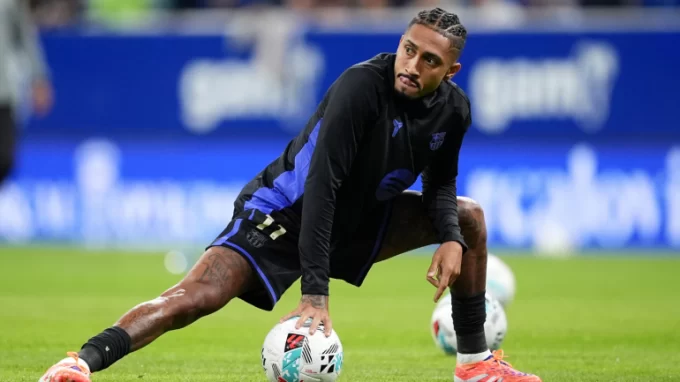
A silence spreads over Camp Nou that no roar can drown out—two...
Chris Marks2 Mins read
William Saliba: Arsenal’s Silent Architect or Its Greatest Gamble?
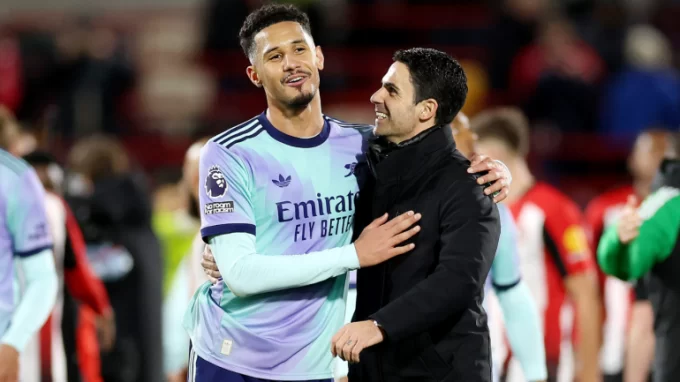
The air inside the Emirates shifts with unspoken tension—William Saliba, once a...
 Joseph Bennett2 Mins read
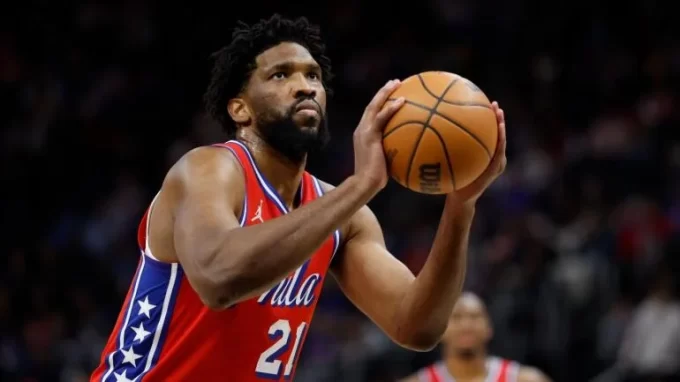
Joel Embiid’s Quiet Confidence: Is the 76ers’ Giant Ready to Rewrite His Story?
Joel Embiid is rarely one to make noise without purpose, and now,...
 Kirsten Collins1 Mins read
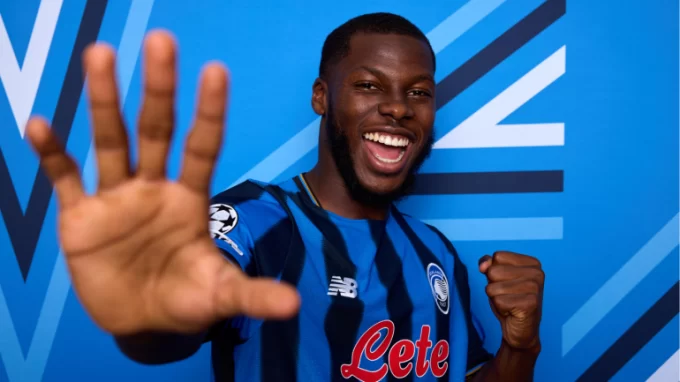
Juventus, Atalanta, and Arsenal’s Quiet Revolution: What’s Really Shaping This Week in Football?
The roar of Serie A stadiums masks a subtle shift, one that...
Kirsten Collins2 Mins read



Leave a comment