

The Fire Sale in Minnesota: When a Team Becomes a Transaction
The Minnesota Twins have traded away ten players from their active roster—and the whispers of a full sale are no longer whispers. This isn’t just a trade deadline move; it’s a cultural shedding.
 Krista FreelandAugust 1, 20252 Mins read20
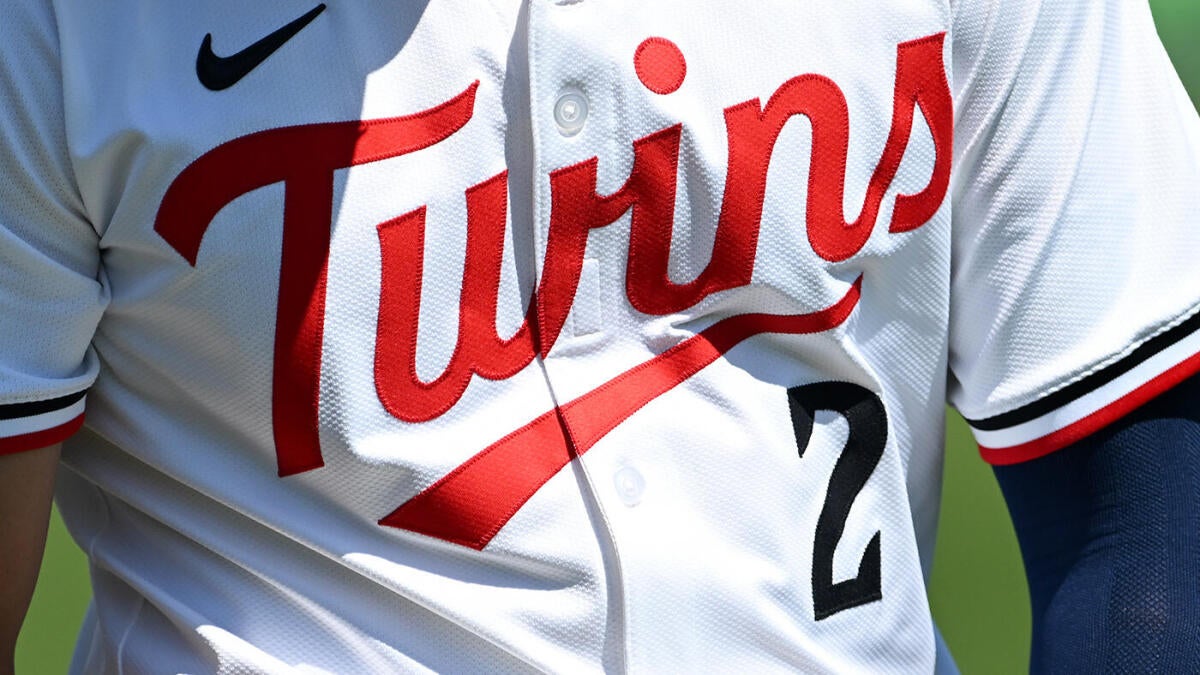
They didn’t even wait for the season to collapse. Ten players. Gone. Just like that. Not in some sweeping postmortem shuffle, but while the scoreboard still lit up with mathematical possibility. The Minnesota Twins—so often the quiet, stubborn heartbeat of mid-market baseball—are no longer just moving pieces. They’re moving the board.
To call this a roster reset would be generous. This is not strategy; it’s shedding. The kind that only precedes something larger, more structural, more final. You don’t trade ten players in one breath unless the next one is being drawn by someone else entirely. Ownership, it seems, is more than flirting with a sale. It’s undressing the club for the cameras.
Disappearing Acts and the Business of Belief
What’s most haunting isn’t who left—it’s who stayed. A skeleton crew of veterans, prospects, and question marks, left to field questions they’re not paid to answer. The trade deadline came and went, but what passed through Minnesota was less a breeze than a vacuum.
One longtime fan told me at Target Field, beer in hand, voice dulled: “I’m not sure who I’m cheering for anymore—players or properties.” That line, tossed off mid-inning, cut deeper than it should have. Because when sports franchises start behaving like Silicon Valley startups—rebranding, offloading, ‘optimizing’—they forget the inconvenient truth: fans don’t buy teams, they believe in them.
And belief doesn’t refresh with the roster. It festers.
What Sells in a Quiet Market
Minnesota, for all its humility, has always been a storyteller’s team. Harmon Killebrew’s swing, Kirby Puckett’s eyes, Joe Mauer’s Midwestern stillness. But no one tells stories in quarterly earnings calls. And a team that trades memory for liquidity doesn’t just lose games—it loses meaning.
It’s easy to dismiss this as business. That’s the word executives reach for when a city starts asking questions they’d rather not answer. But business is cold comfort for a fan base raised on heart. The franchise isn’t just making room—it’s making itself weightless. Light enough to be packaged. Light enough to be sold.
So maybe the sale happens. Maybe it doesn’t. But the moment ten players were shipped out, the Twins stopped being a baseball team and became something else entirely: a question mark with a scoreboard.
What do you do when your team feels like it’s already gone?






Barcelona’s Fragile Pursuit: When Injuries Threaten More Than Just a Season
A silence spreads over Camp Nou that no roar can drown out—two...
 Chris Marks2 Mins read
William Saliba: Arsenal’s Silent Architect or Its Greatest Gamble?
The air inside the Emirates shifts with unspoken tension—William Saliba, once a...
 Joseph Bennett2 Mins read
Joel Embiid’s Quiet Confidence: Is the 76ers’ Giant Ready to Rewrite His Story?
Joel Embiid is rarely one to make noise without purpose, and now,...
 Kirsten Collins1 Mins read
Juventus, Atalanta, and Arsenal’s Quiet Revolution: What’s Really Shaping This Week in Football?
The roar of Serie A stadiums masks a subtle shift, one that...
Kirsten Collins2 Mins read





Leave a comment