

The Afrobeat Invasion No One Saw Coming
While the West clings to nostalgic pop, a new rhythm quietly conquers global stages. The future of music might just speak Yoruba, hum in pidgin, and dance like Lagos at midnight.
 Kirsten CollinsJuly 30, 20252 Mins read14
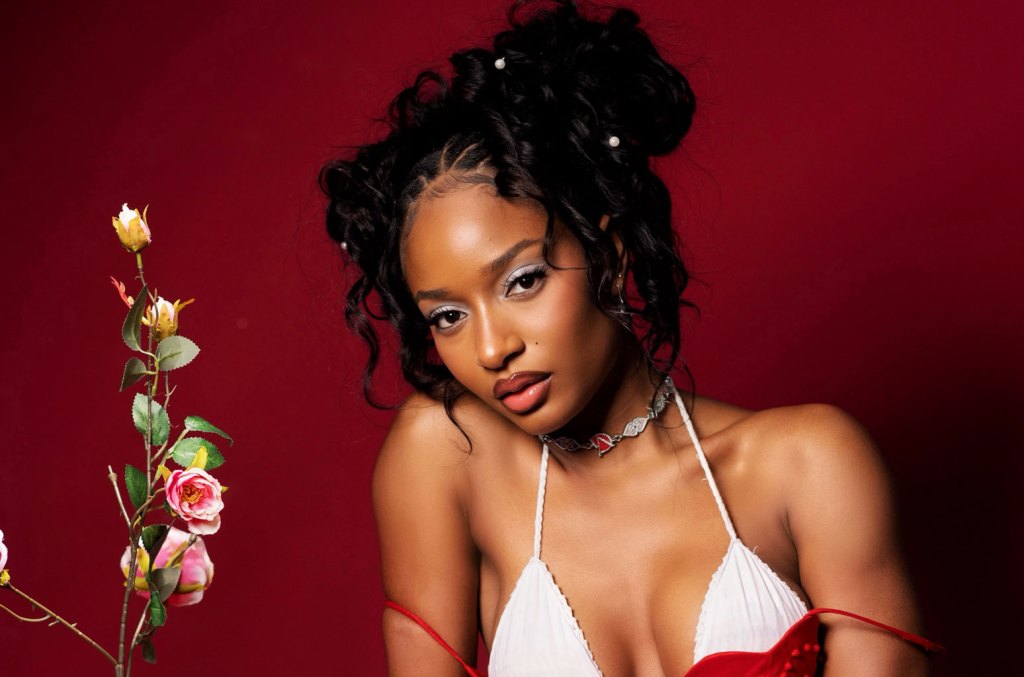
It didn’t happen all at once. It never does. One minute, Beyoncé is borrowing the sound. The next, Coachella is draped in kente cloth and rhythm. By the time you realize what’s playing in the Uber, the Afrobeats wave has already swallowed the shoreline. It’s not a trend—it’s an empire disguised as a party.
Names like Tyla, Wizkid, Ayra Starr, Burna Boy, and BNXN aren’t just headliners anymore. They’re architects. What they’re building isn’t simply a genre—it’s a gravitational shift, a sonic rebalance of cultural influence that doesn’t ask for permission, only attention. And attention, they have.
“We’re not trying to be Western. We’re just being global,” Tyla once mused in an interview, a shrug tucked into every syllable. That shrug now echoes through stadiums.
A Vibe the West Can’t Manufacture
There’s something unapologetically local about Afrobeats that makes it universally addictive. It doesn’t pander. It doesn’t dilute. It carries dust from Lagos, dreams from Johannesburg, and the reckless joy of youth layered over polyrhythms that feel ancestral. Tyla moves like someone who knows water will always find its level. Wizkid breathes in a room like it belongs to him. Ayra Starr sings like the sky isn’t enough.
And while Western pop continues to cannibalize itself with remixes, reboots, and recycled TikTok hooks, African artists are expanding—texturally, linguistically, spiritually. Afrobeats isn’t just a sound. It’s a defiance of category. A genre that doesn’t fit the neat molds of Grammy boxes, yet fills every arena from London to Atlanta with bodies who don’t need to understand Yoruba to understand the beat.
When Rhythm Becomes a Revolution
The real power here isn’t just the music—it’s the movement. Tyla’s “Water” became a global anthem not because it followed a formula, but because it broke one. Burna Boy’s stadium tours rival rock stars. BNXN, once an underground voice, now collides with the mainstream like a revelation. The West is no longer exporting taste—it’s importing heat.
But here’s the twist: Afrobeats isn’t waiting for validation. It’s creating its own metrics. It’s already moved past the question of whether the world is listening. The world is listening. The better question is—does it know what it’s hearing?
These artists aren’t trying to emulate; they’re embodying. Their sound carries the weight of diaspora and the lightness of weekend joy. Their lyrics flirt with politics, pleasure, prayer. And in the crowd, hands go up not in allegiance, but in shared electricity. The sound might be born in Lagos, but the spirit? Global, eternal, undeniable.
Somewhere, a Western A&R exec is still trying to decipher what makes it work. But maybe the magic of Afrobeats isn’t meant to be decoded. Maybe it was never about domination, just vibration. Maybe it’s not conquering pop—it’s replacing it. Quietly. Elegantly. Irrevocably.





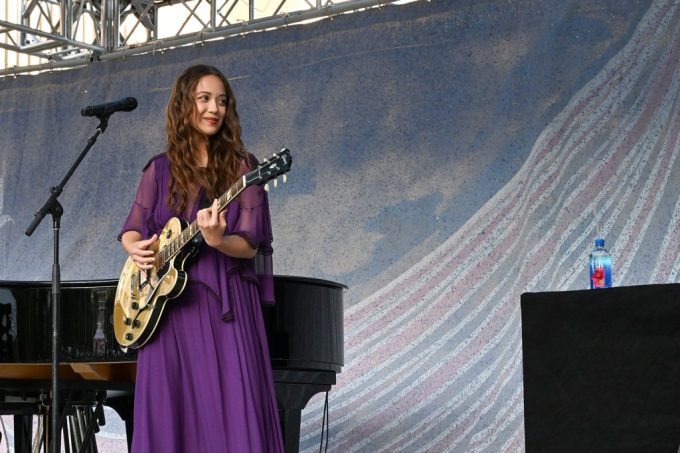
Laufey’s Opening Night Show at LA’s Crypto.com Arena: Best Moments
Laufey opened a two-night stand at Crypto.com Arena in downtown Los Angeles...
 Chris Marks6 Mins read
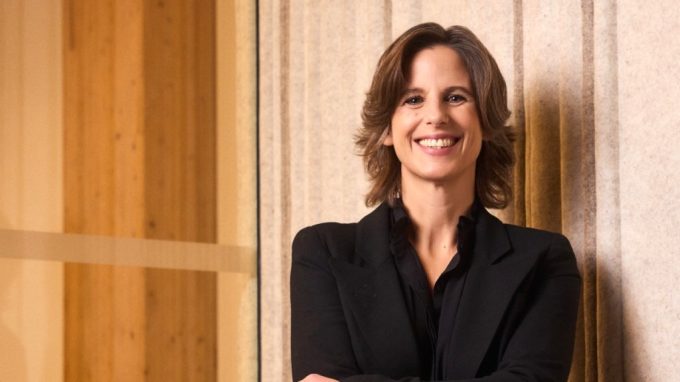
Julie Adam Is Billboard Canada Women in Music’s 2025 Exec of the Year
Julie Adam is having a milestone year — and it’s getting even...
Chris Marks4 Mins read
Spinal Tap Tribute Album with Foo Fighters,Tool for Teen Cancer America
Spinal Tap may be a fake band, but its music is very...
Chris Marks2 Mins read
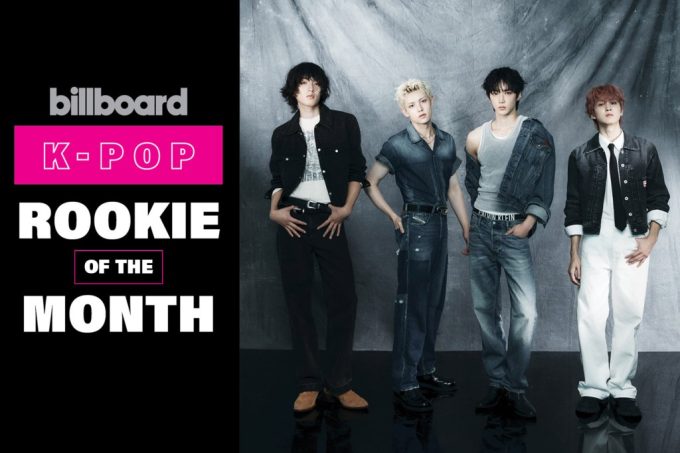
AxMxP Is K-Pop Rookie of the Month for September: Exclusive Photos
Ha Yoo Joon Image Credit: Chin Soyeon You debuted on Sept. 10....
Chris Marks2 Mins read




Leave a comment