

Game 7 Heartbreak: Haliburton’s Achilles Toll on Pacers’ Dream
A rising star eclipsed by a sudden injury — Tyrese Haliburton’s Achilles tear during Game 7 of the NBA Finals leaves more questions than answers about the future of a franchise on the brink.
 Joseph BennettJuly 7, 20251 Mins read32
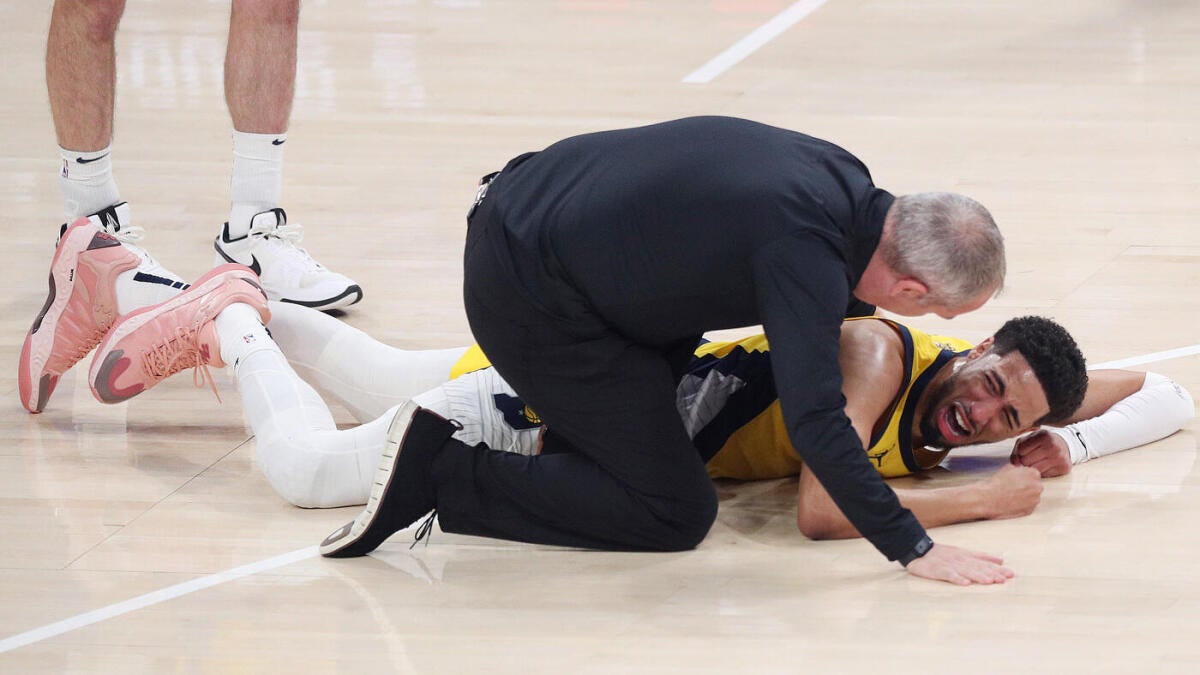
He hit the floor before the buzzer, his body folding under the weight of a season’s worth of hope—a single sound echoing through Paycom Center that shattered more than just clutch aspirations.
Indiana’s electrifying run, fueled by Haliburton’s late-game wizardry, abruptly pivoted in Game 7, where that triumphant drive became an agony-stricken collapse. His teammates froze, the court hushed, as a torn Achilles suddenly reframed the narrative—was this a price too steep for a shot at glory?
When the dream becomes the crucible
Despite playing through a nagging calf strain, Haliburton chose the crucible over caution. “Honestly, torn Achilles and all, I don’t regret it,” he wrote after surgery—an echo of Durant’s resolve, but for a 25-year-old firebrand pushed to the precipice. His message was clear: legacy demands sacrifice, but what happens when that sacrifice costs a season?
A sickness in the league’s backbone
This wasn’t isolated. Lillard, Tatum, Durant—all felled in the same postseason carnage. Experts blame a toxic cocktail: early sport specialization, punishing schedules, low‑cut sneakers—and yes, a trend that now assaults even the young and vital. Can modern athletics withstand the weight of endurance when the foundation is fraying?
Blood and blueprint
Indiana’s brain trust will now draft contingencies. With a deep cast ready—Siakam’s steady presence, Nembhard’s fire, McConnell’s calm—the Pacers must pivot quickly. But beyond roster gymnastics, the Achilles blow prompts a harder question: is the Pacers’ DNA built for rebound?
Coda: a whisper of what’s to come
Haliburton’s story doesn’t end with a tear. It’s the rebirth arc, the soul-testing ritual, the “return of the prodigy” teased in medical journals and NBA lore alike. But will the next time he steps onto the parquet feel like a reckoning or a whisper of what’s been lost?




Barcelona’s Fragile Pursuit: When Injuries Threaten More Than Just a Season
A silence spreads over Camp Nou that no roar can drown out—two...
 Chris Marks2 Mins read
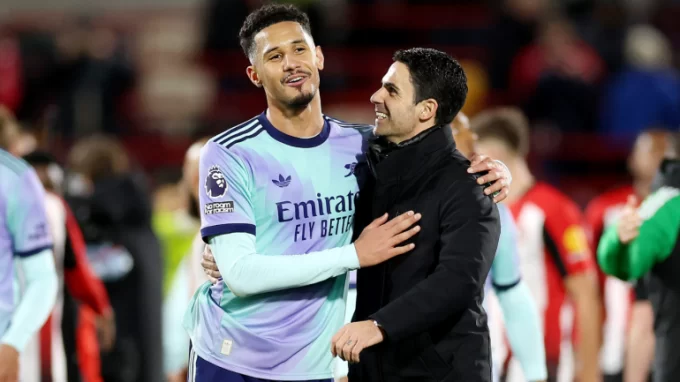
William Saliba: Arsenal’s Silent Architect or Its Greatest Gamble?
The air inside the Emirates shifts with unspoken tension—William Saliba, once a...
Joseph Bennett2 Mins read
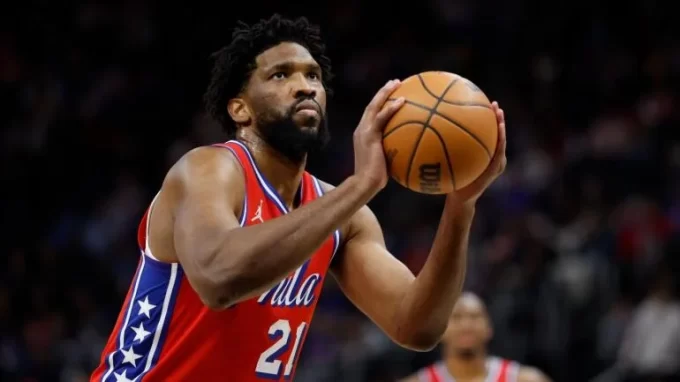
Joel Embiid’s Quiet Confidence: Is the 76ers’ Giant Ready to Rewrite His Story?
Joel Embiid is rarely one to make noise without purpose, and now,...
 Kirsten Collins1 Mins read
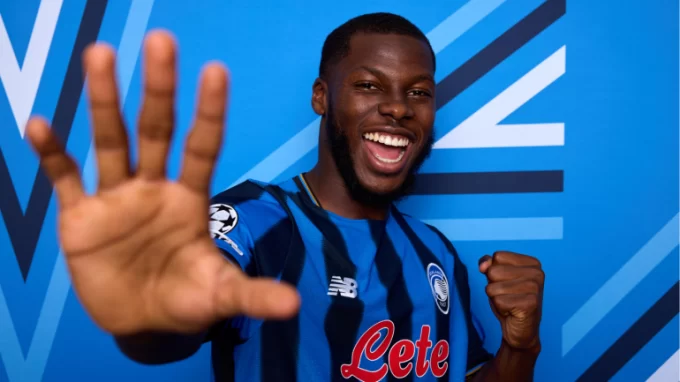
Juventus, Atalanta, and Arsenal’s Quiet Revolution: What’s Really Shaping This Week in Football?
The roar of Serie A stadiums masks a subtle shift, one that...
Kirsten Collins2 Mins read





Leave a comment