

Under-Eye Bags: What Are We Really Trying to Erase?
We call them imperfections, fatigue, signs of age—but under-eye bags tell stories our concealers can't. So why are we so desperate to disappear them?
 Kirsten CollinsMarch 25, 20251 Mins read28

You look in the mirror and see them before anything else. Those soft half-moons under your eyes—puffed, shadowed, persistent. We call them under-eye bags, like they’re luggage we didn’t pack but somehow carry anyway.
The internet is full of fixes. Cold spoons. Caffeine serums. Sleep hygiene routines worthy of a meditation guru. But before we erase them, maybe we should ask: what are we really trying to erase?
Because under-eye bags aren’t just cosmetic—they’re emotional. Markers of late nights and long cries. Of new motherhood, of stress that lingers, of joy that kept us dancing too late. They show up when we live. So why does the beauty industry insist they mean we’ve failed?
When ‘Fixing’ Becomes a Reflex
Yes, there are ways to treat them. Elevate your head at night. Cut the salt. Chill some green tea bags. Invest in a brightening peptide cream if you must. And yes, they can help. But we often treat these signs like glitches, when maybe they’re just evidence. Of effort. Of age. Of being here.
One dermatologist put it gently: “Puffiness isn’t the enemy. It’s the messenger.” For some, eye bags are hereditary. For others, they’re temporary. But either way, they’re rarely dangerous. Just… visible. And that visibility? That’s what makes us uncomfortable.
The Story Beneath the Skin
Maybe the real issue isn’t the bag. It’s the narrative. That perfect skin means perfect health. That tired eyes mean laziness. That youthfulness means worth. We’ve been taught to fear softness, to correct anything that doesn’t gleam. But what if we allowed our eyes to tell the truth?
Tomorrow, you can reach for the concealer. Or the jade roller. Or the cool compress. But maybe—just maybe—you’ll look at your reflection, bags and all, and see not a flaw… but a life in motion.







The Velvet Rope Has Frayed: Saks Fifth Avenue Just Walked into Amazon’s Living Room
They didn’t hear the door creak open—but it did. In a move...
Kirsten Collins2 Mins read

The Face That Didn’t Fit: Meghan, Beauty, and the Industry’s Silent Criteria
They never said it outright. They didn’t need to. Silence, when paired...
Kirsten Collins2 Mins read
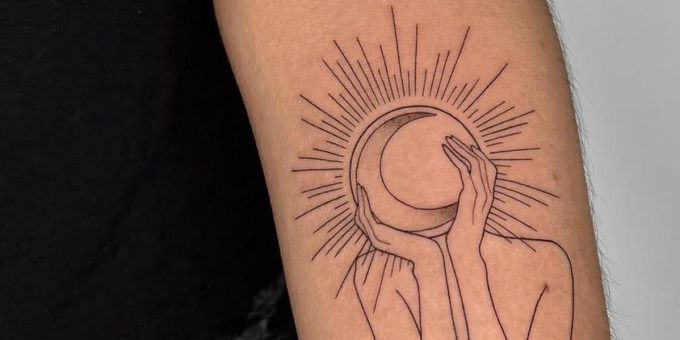
15 Moon Tattoo Ideas for a Celestial Piece That’ll Fit Each Phase of Your Life
When it comes to getting permanent art tattooed on your body, there...
Kirsten Collins3 Mins read

The Dip That Won’t Chip: Is Your Manicure Hiding Something?
No one talks about what happens to softness when you dip your...
Kirsten Collins1 Mins read




Leave a comment