

Under-Eye Filler: Are We Treating Tiredness, or Just the Fear of Looking Human?
Hyaluronic acid fillers promise to smooth, brighten, and refresh the under-eye—instantly. But beneath the glow, what are we really trying to fix?
 Kirsten CollinsMarch 5, 20251 Mins read97
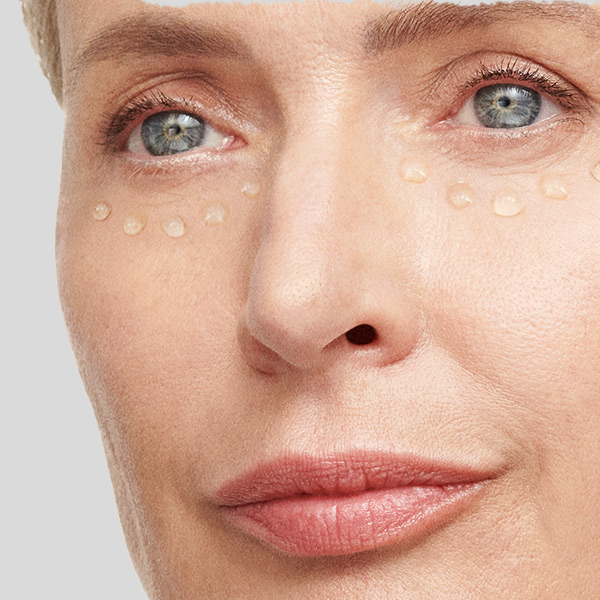
The mirror doesn’t lie—but it doesn’t always tell the truth either. We catch our reflections and wince: tired eyes, hollow grooves, shadows that seem to deepen overnight. And so, we reach for the fix that whispers the loudest: under-eye filler.
Hyaluronic acid—already a beloved staple in serums and creams—becomes surgical in this setting. Injected into the delicate tear trough, it promises instant rejuvenation: less shadow, less puff, more light. In 20 minutes, you can look like someone who sleeps, hydrates, and meditates—whether or not any of that is true.
The Fastest Route to Looking “Well”
Unlike lasers or creams, filler offers immediacy. It doesn’t heal. It conceals. It doesn’t correct the cause of tiredness. It removes its trace. And that may be exactly what we’re craving: not wellness, but the appearance of it.
For many, it’s not about vanity. It’s about visibility. The soft pressure to appear energized, competent, unfazed. Especially for women, the face is expected to mirror not the life they live—but the life others are comfortable witnessing. Under-eye filler doesn’t just soften lines. It softens judgment.
One cosmetic dermatologist notes, “We’re not chasing youth anymore. We’re chasing neutrality. The kind of face that raises no questions.” In other words: not glowing. Just… not tired.
When “Refreshed” Becomes a Requirement
But what happens when “natural-looking” becomes the new baseline? When the bare face still requires intervention to be seen as “rested”? There’s a quiet tyranny in the expectation that we must always look fine—regardless of how we actually feel.
Under-eye filler may be safe, effective, reversible. But it also reflects something deeper: our discomfort with looking lived-in. With allowing our faces to carry evidence of emotion, of effort, of being human.
So yes, the filler works. Yes, it can be beautiful. But maybe, the real beauty would be not needing it to prove we’re still worthy of being seen.







The Velvet Rope Has Frayed: Saks Fifth Avenue Just Walked into Amazon’s Living Room
They didn’t hear the door creak open—but it did. In a move...
Kirsten Collins2 Mins read

The Face That Didn’t Fit: Meghan, Beauty, and the Industry’s Silent Criteria
They never said it outright. They didn’t need to. Silence, when paired...
Kirsten Collins2 Mins read
15 Moon Tattoo Ideas for a Celestial Piece That’ll Fit Each Phase of Your Life
When it comes to getting permanent art tattooed on your body, there...
Kirsten Collins3 Mins read
The Dip That Won’t Chip: Is Your Manicure Hiding Something?
No one talks about what happens to softness when you dip your...
Kirsten Collins1 Mins read





Leave a comment