

The Algorithm Whisperers: Inside the Seductive Chaos of BookTok
Beneath the neon-lit chaos of TikTok lies a digital coven turning unknown novels into cult obsessions—and no one really knows who’s in charge.
 Chris MarksApril 2, 20252 Mins read35

Somewhere between a smudged mascara tutorial and a trending dance loop, a girl is crying over a fictional man who doesn’t exist—at least not outside of TikTok. Her tears are real, the book in her lap is dog-eared to death, and within hours, thousands will download that same title hoping to feel the same wreckage. This is not your high school English syllabus. This is BookTok, and it’s rewriting the literary canon with a selfie ring light.
It started with chaos: hashtags, fan edits, breakdowns in bathrobes. But something odd began to happen. Obscure novels—long dismissed by the industry as “too niche,” “too weird,” “too queer”—began selling out globally. Not because of marketing campaigns, but because of emotion. Raw, unedited, chaotic feeling. Suddenly, the books the publishing world overlooked were the ones everyone wanted. But who’s really making the rules here? And what happens when an algorithm starts deciding what deserves to be read?
The Cult of the Crying Reader
What’s intoxicating about BookTok isn’t just the content—it’s the ritual. The holy trinity of tropes: enemies to lovers, morally gray men, generational trauma wrapped in poetic prose. It’s a language, a liturgy. And the readers—usually young, sharp, and devastatingly online—aren’t passive consumers. They’re architects. They anoint new gods in the form of authors, resurrecting backlist titles and building temples from viral clips.
Yet, it’s not clear who holds the power. Is it the creator filming a 30-second emotional spiral? The user whose stitched review goes viral? Or is it something darker—a faceless algorithm feeding us what we think we want before we even want it?
One BookTok reader confessed, “I didn’t even like the book that much, but it made me feel like I belonged.” That’s not just marketing. That’s manipulation—masquerading as magic.
When Curation Becomes Control
Beneath its glitter and pastel aesthetics, BookTok is not innocent. It’s curated chaos, steered by a system that rewards performance over substance. The platform favors repetition, aesthetic over accuracy. As a result, truly challenging literature—books that resist neat tropes or happy endings—often drown beneath the velvet crush of romance-heavy montages and dopamine-scroll-friendly edits.
Still, to dismiss it as superficial is to miss the point. BookTok is shaping what it means to read—publicly, emotionally, socially. It’s no longer about solitary consumption but communal obsession. The private act of reading is now broadcast, performative, monetized. Can a novel still haunt you if it’s already been turned into a trending sound?
Maybe that’s the real seduction of BookTok—it dares us to believe that literature still matters, even in a world ruled by algorithms. But if the next great novel is just one emotional reaction away from obscurity or immortality, are we discovering stories—or just chasing the most beautiful breakdown?








When “107 Days” Meets Outcry: Harris’s Book Tour Interrupted
The microphone crackled to life, and before Harris could finish her opening...
Chris Marks1 Mins read
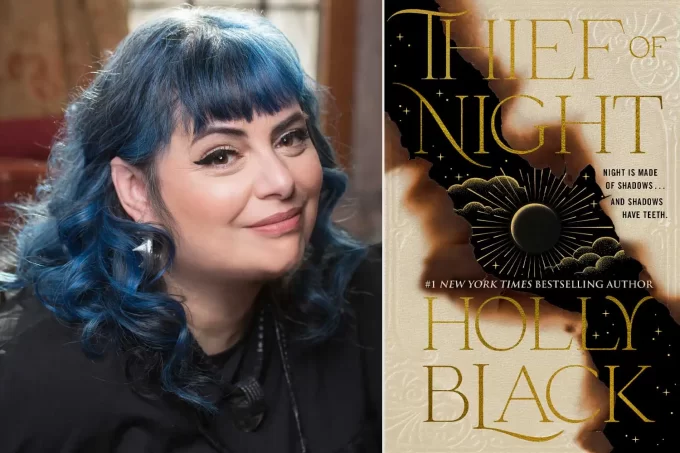
Whispers in the Shadows: Why Holly Black’s Sequel Is a Dark Invitation We Can’t Ignore
The night isn’t just dark—it’s ravenous, greedy, and it’s coming for you....
Chris Marks2 Mins read

Why Stephenie Meyer’s Regret About Edward Changes Everything You Thought You Knew
The moment Stephenie Meyer admitted she wouldn’t pick Edward Cullen today, a...
Chris Marks2 Mins read
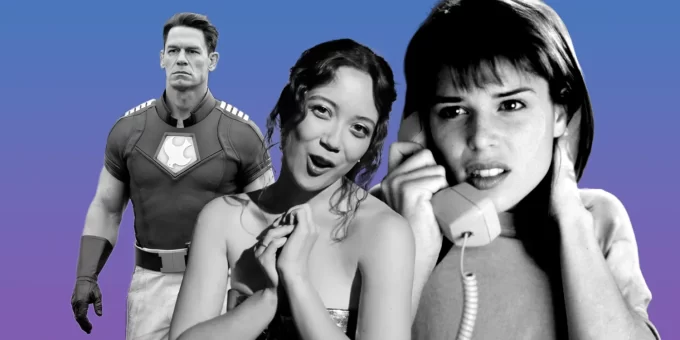
When Fear, Fury & Feathers Collide: Cinema, Superheroes, and a Confessional Album
Open with tension—the kind that threads through a scream, a reveal, and...
Chris Marks2 Mins read





Leave a comment