

What If the Life You Want Is Waiting for You to Surrender?
Brianna Wiest doesn’t tell you how to change your life—she dares you to dismantle the one you built from fear. But what happens when success doesn’t look like control?
 Chris MarksApril 15, 20252 Mins read179
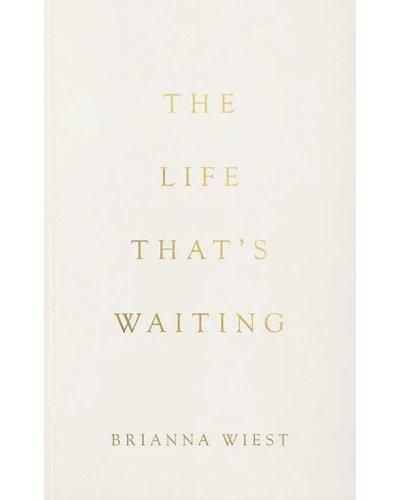
The moment you stop trying to fix yourself is the moment everything starts to shift. Not because the problems disappear—but because you’ve finally stopped treating yourself like one.
This is the quiet, arresting thesis pulsing beneath every page of The Life That’s Waiting by Brianna Wiest. She doesn’t shout. She doesn’t sell. She invites. And somehow, that’s more dangerous. Because you find yourself agreeing. Nodding. Then questioning everything you were taught about progress, perfection, and pain. Is it possible that the breakthrough isn’t ahead—but behind you, in the shadow of everything you’ve refused to feel?
Wiest’s writing is not linear. It curls like smoke. She circles truths until they sting. And she offers one provocative idea on repeat: what if you’re not supposed to become someone else—what if you’re meant to return to who you’ve always been?
Where Power Begins to Look Like Surrender
The most unnerving part of Wiest’s message is that it doesn’t glorify hustle. It doesn’t chase metrics. Instead, she asks you to do something far more subversive: let go. Let go of the version of yourself who needs to be seen as invincible. Let go of the timeline you married out of fear. “The future isn’t waiting,” she writes, “you are.”
And here’s where her words dig their nails in. Because surrender, in modern culture, has been misbranded as failure. We don’t admire softness. We tolerate it, barely. But Wiest makes a case for it—lyrically, unrelentingly—as the true crucible of strength. She is not writing for the goal-setters. She is writing for the quietly exhausted. For the ones who’ve done everything “right” and still feel like strangers in their own narrative.
The Elegant Violence of Choosing Yourself
There is nothing light about awakening. And Wiest knows this. Her writing has the sheen of compassion but the undertow of a dare. She asks you to take responsibility not in the capitalist sense, but in the cosmic one. What have you abandoned in yourself to survive? And what will it cost to reclaim it?
This isn’t about manifestation. It’s about mourning. Mourning the years spent being who others needed you to be. Mourning the energy spent running from discomfort, only to circle back to it, time and time again. But beneath the grief, there is a whisper of hope. A feral, golden kind of hope. The kind that doesn’t need applause—only permission.
And perhaps that’s the real revolution Wiest is staging: the idea that your life doesn’t need to be built louder, better, or faster. It just needs to be yours.
It’s a strange relief, isn’t it, to think the life you’ve been chasing might have been quietly waiting—just beyond the part of yourself you’ve spent years trying not to be?






When “107 Days” Meets Outcry: Harris’s Book Tour Interrupted
The microphone crackled to life, and before Harris could finish her opening...
Chris Marks1 Mins read
Whispers in the Shadows: Why Holly Black’s Sequel Is a Dark Invitation We Can’t Ignore
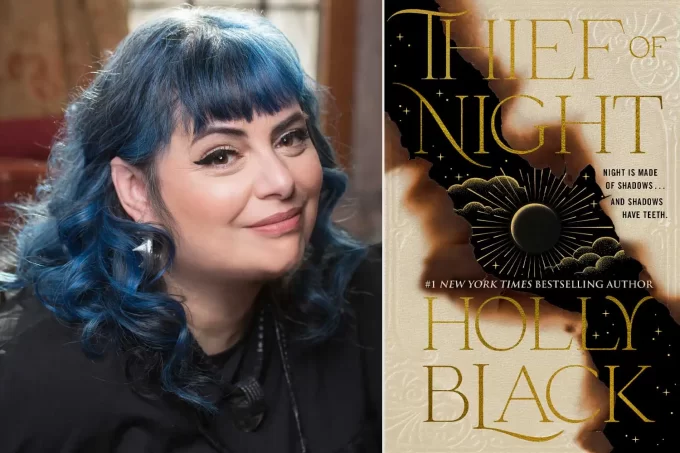
The night isn’t just dark—it’s ravenous, greedy, and it’s coming for you....
Chris Marks2 Mins read

Why Stephenie Meyer’s Regret About Edward Changes Everything You Thought You Knew
The moment Stephenie Meyer admitted she wouldn’t pick Edward Cullen today, a...
Chris Marks2 Mins read
When Fear, Fury & Feathers Collide: Cinema, Superheroes, and a Confessional Album
Open with tension—the kind that threads through a scream, a reveal, and...
Chris Marks2 Mins read





Leave a comment