

“Usher’s Honorary Degree: A Performer’s Education in the Art of Reinvention”
Usher receives an honorary degree from Emory University, but what does this honor really mean in a world where talent and fame often blur the line between education and status? Can a superstar like him truly be measured by academic standards, or is this simply the latest act in his relentless reinvention?
 Chris MarksMay 13, 20253 Mins read185
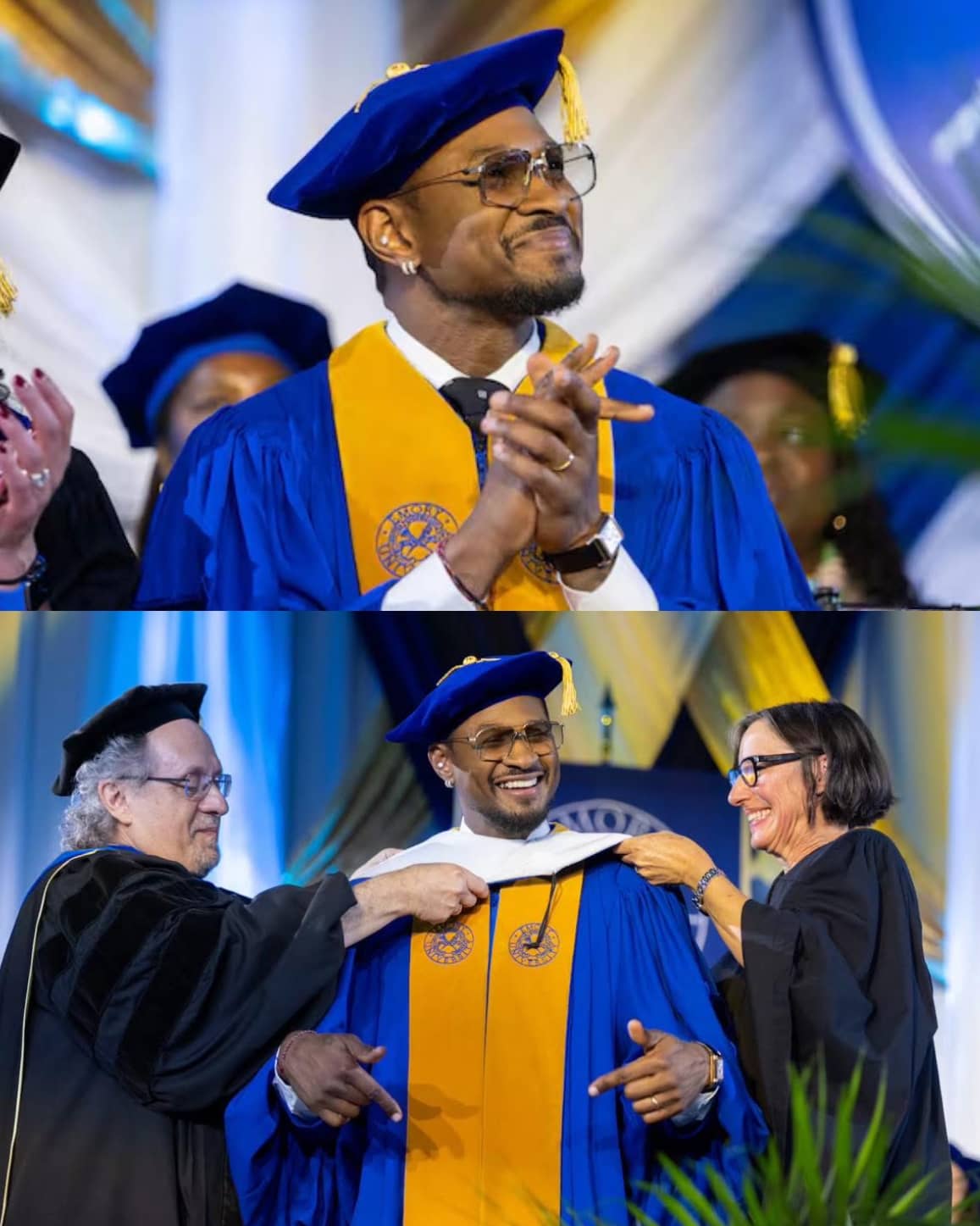
The applause fills the room, but it isn’t for the academic achievements of a young graduate. Instead, it’s for Usher Raymond, a name synonymous with chart-topping hits, dance moves, and red carpet moments, as he stands before a crowd at Emory University, accepting an honorary degree. There is something undeniably jarring about this scene—an artist renowned for his performance skills now lauded with the weight of academic prestige. What does it mean when a performer, whose education was forged in the fire of street smarts and instinct, receives the same accolades as those who’ve spent years in lecture halls? This is not a simple moment of recognition; it is a question wrapped in glitter and gold, asking: what exactly are we rewarding in 2025?
Usher’s career has been a master class in reinvention. From the sultry R&B crooner to a global entertainment mogul, his evolution is a carefully curated performance. But does an honorary degree—an academic symbol that often denotes intellectual achievement—fit comfortably in the same realm as a man who built his empire on rhythm and charisma? As he stood before graduates and faculty alike, delivering a keynote address that left the audience hanging on every word, one had to wonder: is this the culmination of a career that bridged the worlds of music and business, or is it just another calculated step in an artist’s journey of self-preservation?
The Stage of Higher Education
What makes Usher’s appearance at Emory all the more fascinating is the profound irony that threads through it: here is a man who has never walked the typical academic path, yet finds himself speaking at a university’s commencement, dressed in the same robes as those who did. His rise to fame came not from textbooks or exams, but from the kind of intuitive understanding of culture and human emotion that most textbooks could never teach. Still, there he was—speaking with the authority of someone who had truly learned life’s hardest lessons. It begs the question: does a person like Usher need traditional education to make sense of the world around him, or has he mastered something deeper, something that only a rare few ever do?
In his speech, Usher urged the graduates to redefine success in their own terms, to reject the conventional narratives of what achievement should look like. And as his words echoed in the packed auditorium, you couldn’t help but ask: was he speaking to the students, or was this another self-reflection of his own journey? His life, after all, has never been about following the path laid out for him; it’s been about creating his own, one driven by passion, perseverance, and a constant reinvention of what it means to be an artist.
More Than Just a Symbol
The honorary degree isn’t just a recognition of the man Usher has become; it is a sign of how the world increasingly values influence over academic accolades. A decade ago, this would have been a rare event, a blip in the timeline of celebrity culture. But now, the merging of entertainment, business, and education feels almost inevitable. We live in an age where influence is currency, where the most powerful voices are often those who can mobilize millions through a tweet or an album release. And Usher has done exactly that. But what does this say about the future of education? What kind of academic excellence are we truly celebrating, when the figurehead of a graduating class might be a superstar whose “curriculum” consisted of sweat, hustle, and the occasional misstep?
As Usher steps down from the stage, his degree in hand, the question lingers: does this moment mark the end of a road for a pop icon, or is it yet another clever twist in his ongoing reinvention? We can only watch, wait, and wonder, as he continues to blend his academic honor with the raw, untouchable mystique of celebrity.
Is it time we stop asking if he deserves it, and start wondering how much more he might achieve when even the halls of academia bow to his unique form of brilliance?







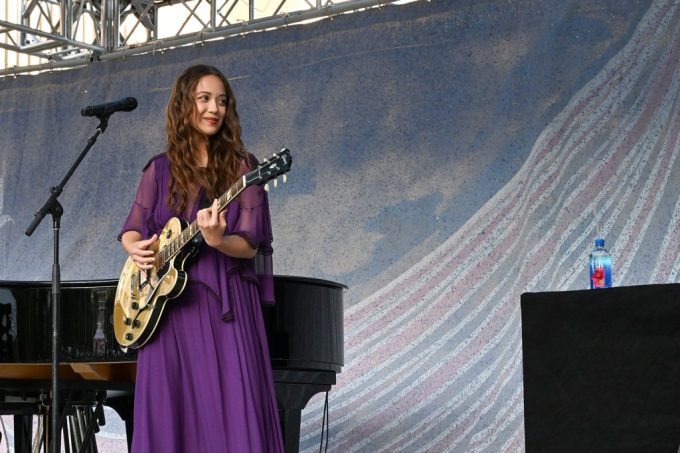
Laufey’s Opening Night Show at LA’s Crypto.com Arena: Best Moments
Laufey opened a two-night stand at Crypto.com Arena in downtown Los Angeles...
Chris Marks6 Mins read
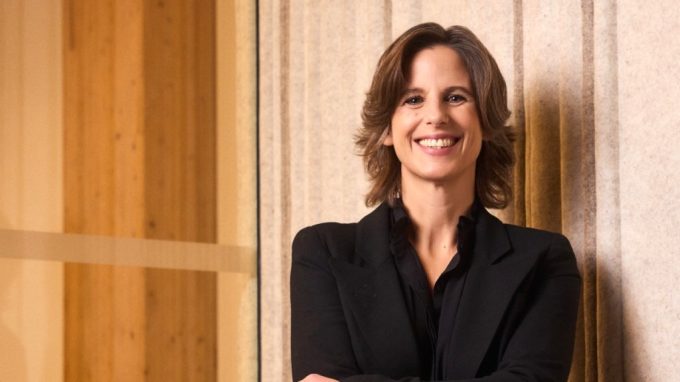
Julie Adam Is Billboard Canada Women in Music’s 2025 Exec of the Year
Julie Adam is having a milestone year — and it’s getting even...
Chris Marks4 Mins read

Spinal Tap Tribute Album with Foo Fighters,Tool for Teen Cancer America
Spinal Tap may be a fake band, but its music is very...
Chris Marks2 Mins read
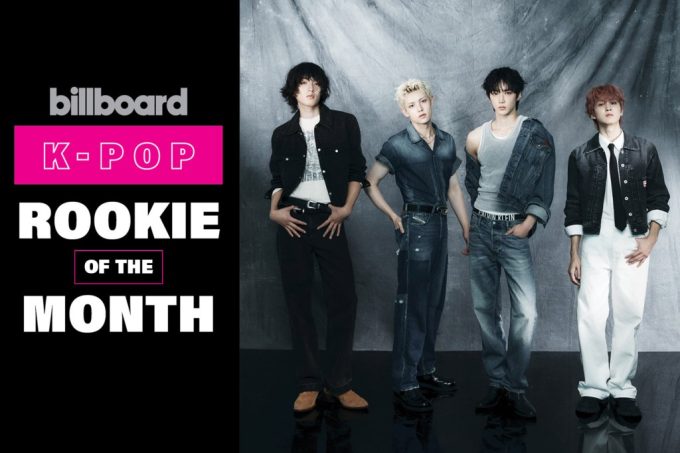
AxMxP Is K-Pop Rookie of the Month for September: Exclusive Photos
Ha Yoo Joon Image Credit: Chin Soyeon You debuted on Sept. 10....
Chris Marks2 Mins read




Leave a comment