

The Wedding That Never Crashed Again
Vince Vaughn opens the door, then quietly shuts it again, teasing fans with a sequel that always seems one martini away from happening—but never does.
 Chris MarksMay 1, 20252 Mins read20
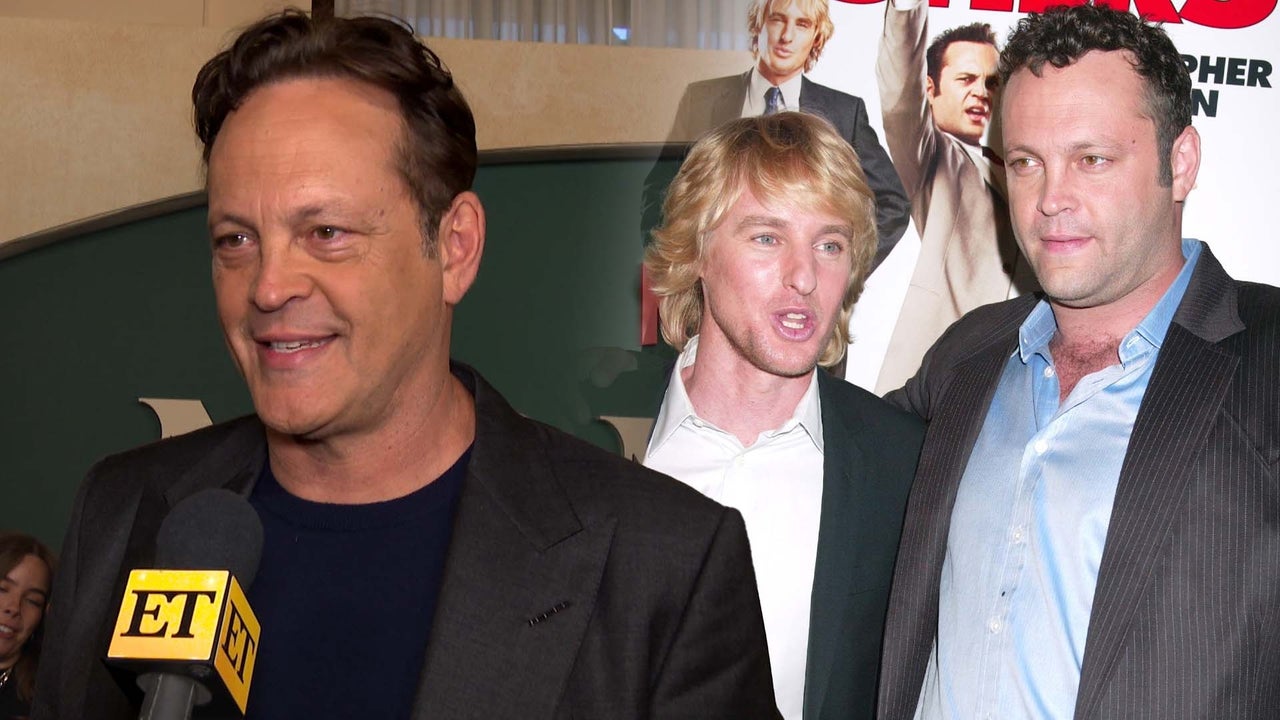
He says it with a grin, the kind that only works when you’ve coasted through an era of effortlessly quotable comedies and come out on the other side still bankable: “It’s not about whether we want to do it. It’s about whether there’s something to say.” But Vince Vaughn, that lanky, fast-talking avatar of 2000s chaos, is circling the altar of Wedding Crashers 2 like a groom with cold feet. Fifteen years later, and somehow, we’re still waiting to RSVP.
The original 2005 film wasn’t just a hit—it was a cultural detonation. Vaughn and Wilson didn’t play characters as much as they channeled a national appetite for improvised charm and moral ambiguity wrapped in a Hugo Boss suit. A sequel should’ve been automatic. But here we are, decades later, stuck in cinematic purgatory, with vague promises and behind-the-scenes whispers. Why does Hollywood keep dangling nostalgia like a carrot on a very long, very thin stick?
The Sequel as a Ghost Story
The strange thing is, Wedding Crashers 2 lives—but only in theory. Vaughn has admitted that he and Wilson have talked, laughed, even drafted ideas. Scripts have allegedly been floated. Directors courted. Then… silence. There’s no studio greenlight, no set date, just a tantalizing sense of what could be. And isn’t that the real magic trick? The sequel doesn’t need to exist because the mere threat of its existence keeps the original alive.
What does it say about us that we yearn for these continuations? That we’re not ready to let go of the unbuttoned, raunchy groomsmen who offered escapism without apology? Vaughn’s reluctance—wrapped in jokes, dipped in charm—feels less like indecision and more like a diagnosis of Hollywood’s nostalgia sickness. “There has to be a reason to go back,” he insists. But maybe the real reason not to go back is that the party already ended.
The Art of Not Showing Up
This isn’t just about one movie. It’s about an industry that keeps resurrecting things not because they matter now—but because they mattered once. Vaughn, knowingly or not, becomes the high priest of restraint in a town addicted to reboots. He withholds. He delays. And in doing so, he builds mythology.
A sequel might bring laughs, sure. But could it still carry that electric, reckless thrill of a cultural moment unrepeatable? Or would it be just two men in tuxedos, crashing a party that no longer exists?
So the question hovers like an unspoken toast: What if the real statement is not in the sequel—but in the silence that follows?





Start the New Year by Investing in Yourself – Hollywood Life
Image Credit: European Wax Center The new year is all about fresh...
 Kirsten Collins2 Mins read
Where Is Liam Conejo Ramos Now? Updates on 5-Year-Old’s ICE Detainment – Hollywood Life
Image Credit: Getty Images Liam Conejo Ramos came home from preschool while...
Kirsten Collins2 Mins read

AirTalk Wireless Offers Free Wireless Service to Underserved Folks, Online & Offline – Hollywood Life
Image Credit: Pexels California may be home to Silicon Valley, but many...
Kirsten Collins3 Mins read
Who Is Harry Styles’ ‘Aperture’ About? Breakdown of the Lyrics – Hollywood Life
View gallery Image Credit: Getty Images We’ve doing doing all this late...
Kirsten Collins1 Mins read




Leave a comment