

The Power in Your Click: What Does Voting Really Choose?
A call to action cloaked in simplicity—“Vote for your favorite now”—but what if this choice reveals more about us than the nominees? The real question is: who’s truly deciding, and why?
 Joseph BennettJuly 14, 20251 Mins read11
The moment your finger hovers over the “vote now” button, a subtle battle unfolds. It’s not merely about picking a favorite; it’s a ritual where influence, identity, and unseen forces collide. Behind that simple act, the question gnaws: are we choosing the best, or just the loudest voice?
Why do we feel compelled to participate, yet wonder if our vote changes anything? The invitation to vote always carries an undercurrent—an illusion of control wrapped in digital spectacle. What happens when millions vote, yet only a handful truly sway the outcome? And what does that say about our collective desire to belong or rebel?
When Choice Becomes Performance
Voting online has morphed into a theater of self-expression and social signaling. It’s not just about preferences but projecting an identity, staking a claim in cultural conversations. As one participant confessed, “I wasn’t just voting for the winner—I was voting for who I want to be seen with.” The act transcends preference; it becomes a declaration.
But this performative layer brings unease. Are we voting authentically, or merely following trends engineered by algorithms and influencer endorsements? In a digital age, popularity contests blur with meaningful selection—raising the uncomfortable suspicion that maybe the real vote is on who controls the narrative.
The Illusion of Democratic Delight
The democratic spirit of “voting for your favorite” feels empowering, yet it often masks deeper tensions. What if the mechanics behind the scenes shape results before the first click? How transparent are these processes? And more provocatively: does the spectacle of voting pacify us into feeling engaged while the real power plays continue unchecked?
This paradox invites us to reconsider what it means to choose. Is your vote a statement of individual preference or part of a larger, orchestrated chorus? The very idea of voting, so ingrained and celebrated, might hide the most profound questions about influence and autonomy in our culture.
We click “vote,” thinking we hold the reins. But what if, in that moment, the reins are already in someone else’s hands? The choice, then, is not just about favorites—it’s about who we trust to decide, and why we keep asking for permission to believe.





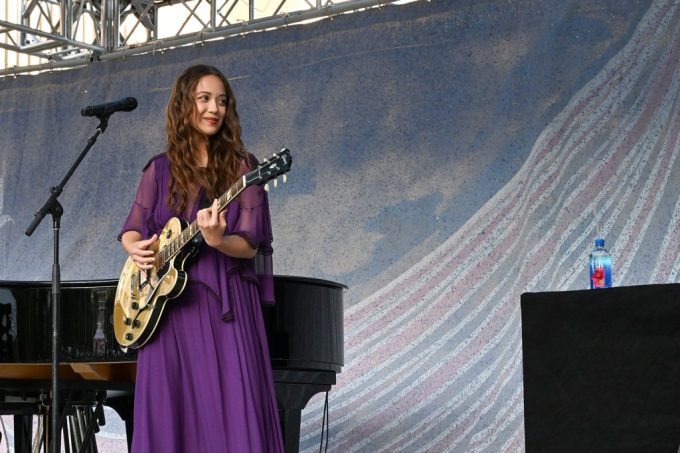
Laufey’s Opening Night Show at LA’s Crypto.com Arena: Best Moments
Laufey opened a two-night stand at Crypto.com Arena in downtown Los Angeles...
 Chris Marks6 Mins read
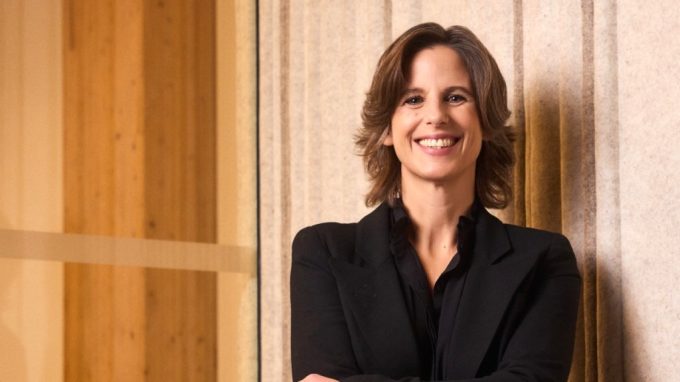
Julie Adam Is Billboard Canada Women in Music’s 2025 Exec of the Year
Julie Adam is having a milestone year — and it’s getting even...
Chris Marks4 Mins read

Spinal Tap Tribute Album with Foo Fighters,Tool for Teen Cancer America
Spinal Tap may be a fake band, but its music is very...
Chris Marks2 Mins read
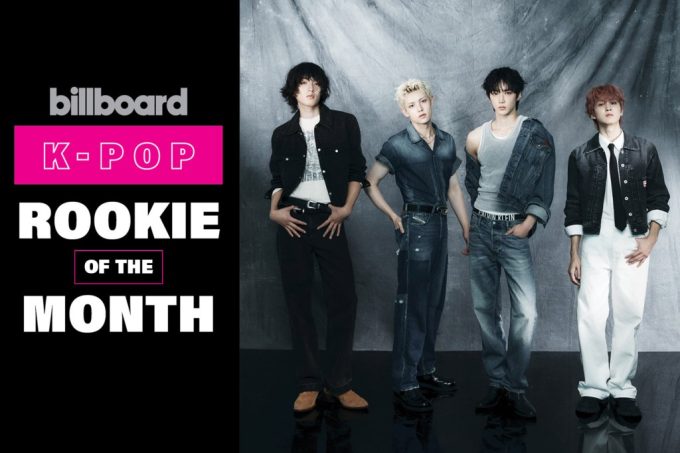
AxMxP Is K-Pop Rookie of the Month for September: Exclusive Photos
Ha Yoo Joon Image Credit: Chin Soyeon You debuted on Sept. 10....
Chris Marks2 Mins read





Leave a comment