

Warped Tour 2025 in D.C.: Revival or Reckoning?
The 2025 Warped Tour’s D.C. stop wasn’t just a concert—it was a cultural crossroads where punk’s past collided with its uncertain future. But beneath the roaring crowds and flashing lights, what truths remained unspoken?
 Krista FreelandJune 16, 20252 Mins read21

The instant the first chord ripped through the summer air in Washington D.C., the crowd was caught in a moment both electric and elusive. Warped Tour 2025 didn’t just play music—it staged a silent argument with time, asking whether punk’s loud past can still shake the foundations of today’s music scene. But beneath the mosh pits and tattoos, a quiet tension simmered: what happens when rebellion becomes ritual?
The festival felt like a living paradox. The bands onstage channeled raw energy with a polish that betrayed the grit that made punk vital. Fans old and new blurred together, united in a chaotic celebration that seemed to hover between genuine defiance and curated nostalgia. What was this if not a question posed to the culture itself—what remains when the wildness is tamed?
Echoes in the Noise
The sonic barrage wasn’t merely a soundtrack; it was a coded conversation. “Warped Tour’s spirit isn’t just about the past,” a touring artist confided, “it’s about pushing forward without forgetting where we came from.” Yet, as the setlists folded familiar anthems into fresh tracks, it felt like punk was simultaneously remembering and reinventing itself. Was this revival a reclaiming of power or a last stand before the genre folds into history?
Crowds surged and swayed beneath the sun, but the true spectacle lay in the quiet glances exchanged between generations. The photos freeze these fleeting moments—grins mingled with uncertainty, celebration tinged with question. Are we witnessing punk’s rebirth or the final echo of its original scream?
Rebellion Reframed
Warped Tour 2025 in D.C. revealed something more fragile than the crashing guitars: the uneasy balance between authenticity and spectacle. The festival, once a haven for raw, unapologetic voices, now walks a tightrope between commercial viability and countercultural integrity. “It’s a dance,” said a veteran attendee, “between staying true and staying relevant.”
In that dance, the crowd’s energy became a mirror reflecting punk’s uncertain identity. The riotous spirit that fueled the tour’s inception now wrestles with its place in a sanitized, algorithm-driven music industry. This isn’t just a festival—it’s a cultural litmus test, asking whether rebellion can survive its own evolution or is destined to become another curated memory.
As the final chords fade into the dusk, Warped Tour’s D.C. stop leaves a lingering question: in the quest to preserve punk’s legacy, are we holding onto the spirit, or just the shadow? And what will happen to the silence between the noise?




Laufey’s Opening Night Show at LA’s Crypto.com Arena: Best Moments
Laufey opened a two-night stand at Crypto.com Arena in downtown Los Angeles...
 Chris Marks6 Mins read
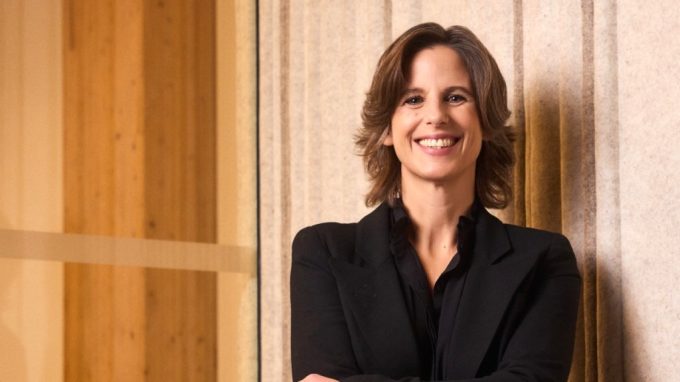
Julie Adam Is Billboard Canada Women in Music’s 2025 Exec of the Year
Julie Adam is having a milestone year — and it’s getting even...
Chris Marks4 Mins read
Spinal Tap Tribute Album with Foo Fighters,Tool for Teen Cancer America
Spinal Tap may be a fake band, but its music is very...
Chris Marks2 Mins read
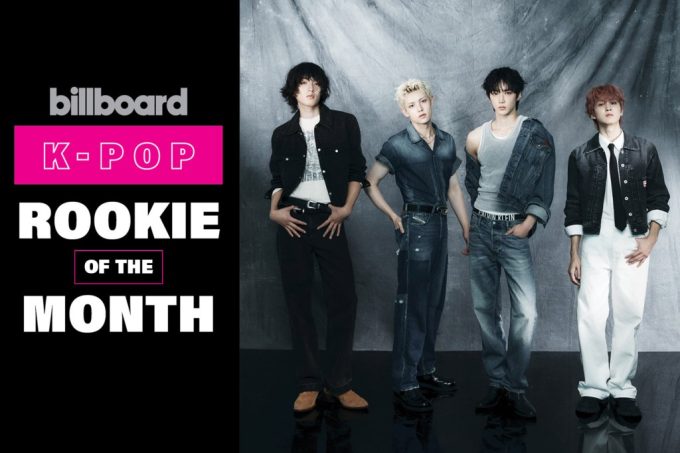
AxMxP Is K-Pop Rookie of the Month for September: Exclusive Photos
Ha Yoo Joon Image Credit: Chin Soyeon You debuted on Sept. 10....
Chris Marks2 Mins read





Leave a comment