

Warped Tour D.C. 2025: More Than Just Music in a City of Change
The 2025 Warped Tour in D.C. was a vivid collision of sound, style, and subtle rebellion — but beneath the electric energy, something deeper was unfolding. What does this revival say about the future of punk culture and its uneasy place in today’s world?
 Joseph BennettJune 16, 20252 Mins read25
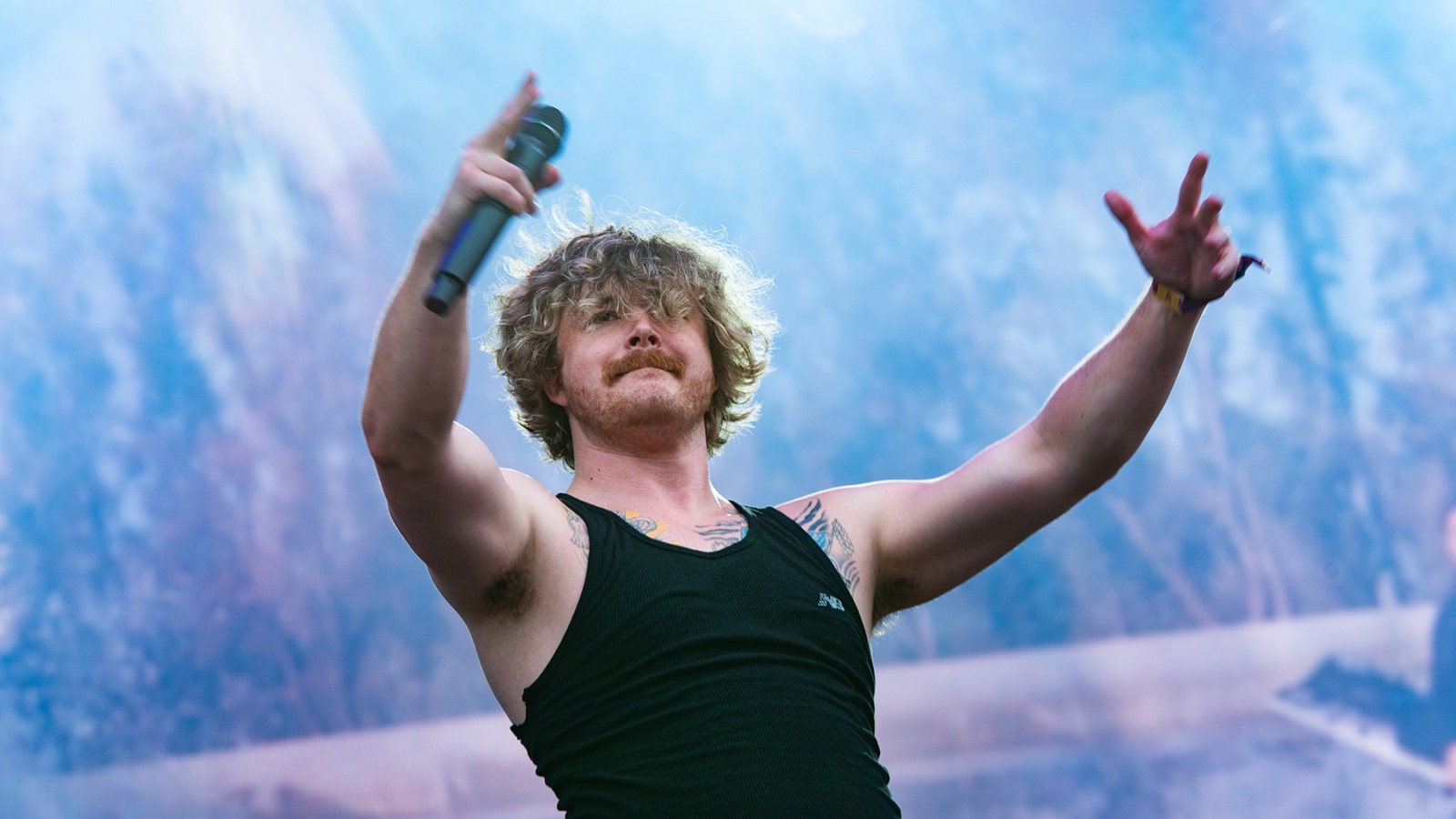
The moment the crowd roared beneath the summer sky in Washington D.C., something electric flickered — but was it just the music, or something more elusive? The 2025 Warped Tour wasn’t just a festival; it felt like a secret ritual, a gathering where the past and future of punk culture clashed in sharp relief. Yet, amid the chaos and color, a question lingered: who really owns rebellion in 2025?
The photos captured more than sweat and stage dives — they revealed a tension in the air, a silent dialogue between authenticity and spectacle. This wasn’t nostalgia dressed up in vintage tees; it was punk culture wrestling with its own evolution, and the city itself seemed to pulse with the contradiction.
Not Just Noise: The Anatomy of a Moment
Walking through the crowd, it’s impossible not to feel the weight of history folding into the present. The raw energy of the bands, the fierce expression of the fans — they were all part of something volatile yet fragile. “It’s not just about the music anymore,” one artist murmured, “it’s about reclaiming a space that’s slipping through our fingers.” Here, on the muddy fields of D.C., every chord struck and every scream echoed like a question: can punk survive its own revival?
The photographs don’t just freeze time — they capture a culture in flux. Faces young and old blend in the frame, some with the wild defiance of first-timers, others carrying the scars of decades past. Is this the moment punk stops being an underground roar and starts becoming a carefully curated show?
The Festival’s Hidden Dialogue
Warped Tour 2025 was a paradox wrapped in leather jackets and safety pins. It promised freedom but imposed its own unspoken rules. The stage was a battleground where rebellion was both celebrated and commodified, leaving one to wonder: who sets the limits when anarchy becomes entertainment? The crowd’s energy felt both genuine and rehearsed, as if everyone was playing a role in a script written by nostalgia and necessity.
The festival’s heartbeat wasn’t just in the sound but in the spaces between—those fleeting glances, the shared moments of doubt, the subtle question hanging over every set: what happens when rebellion becomes mainstream? One veteran fan whispered, “Maybe it’s not about fighting the system anymore, but finding a new way to exist inside it.”
The Warped Tour in D.C. was more than a series of performances; it was a conversation — raw, unresolved, and intoxicatingly alive. As the last chords faded, the question remained, echoing long after the crowd dispersed: in a world hungry for meaning, can punk’s wild spirit stay untamed, or will it be just another act on the endless stage?



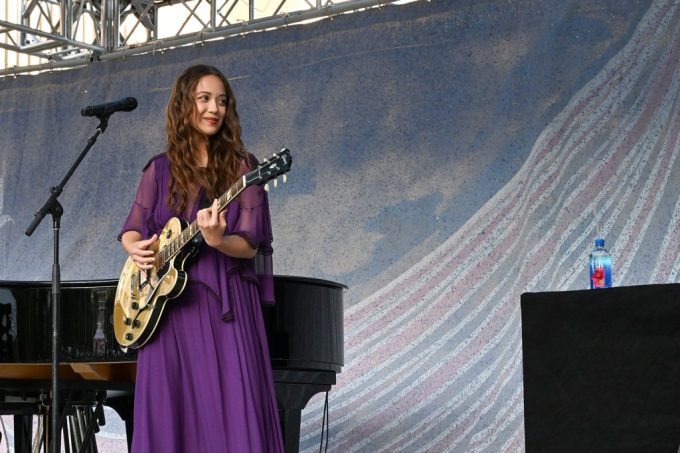
Laufey’s Opening Night Show at LA’s Crypto.com Arena: Best Moments
Laufey opened a two-night stand at Crypto.com Arena in downtown Los Angeles...
 Chris Marks6 Mins read
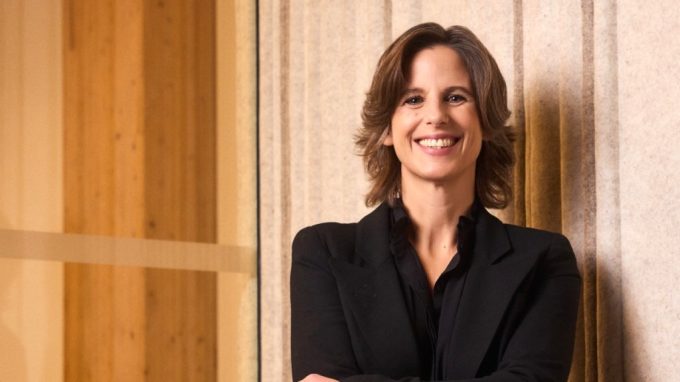
Julie Adam Is Billboard Canada Women in Music’s 2025 Exec of the Year
Julie Adam is having a milestone year — and it’s getting even...
Chris Marks4 Mins read
Spinal Tap Tribute Album with Foo Fighters,Tool for Teen Cancer America
Spinal Tap may be a fake band, but its music is very...
Chris Marks2 Mins read
AxMxP Is K-Pop Rookie of the Month for September: Exclusive Photos
Ha Yoo Joon Image Credit: Chin Soyeon You debuted on Sept. 10....
Chris Marks2 Mins read



Leave a comment