

When an NBA Star Mistook Roman Ruins for Hollywood
Golden State Warriors’ sharpshooter Buddy Hield confronts the uneasy collision of legend and reality, wondering what happens when myth meets matter.
 Kirsten CollinsJuly 14, 20251 Mins read22
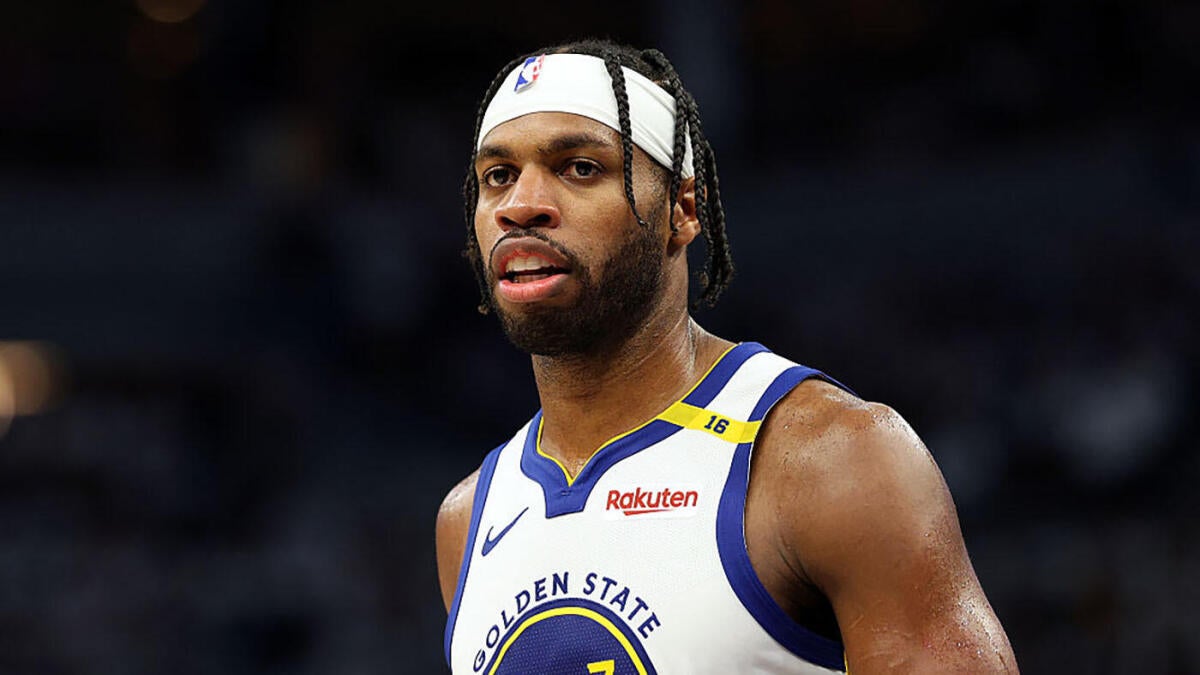
He burst into the Colosseum, heart pounding as if entering a stadium of old, yelling “Maximus!”—only to discover the hero he idolized was as mythical as the ruins themselves.
In a moment charged with irony, Hield—a man celebrated for sinking threes—reveals a vulnerability that transcends sport: “I thought Maximus was a real warrior,” he admits, the weight of a childlike epiphany ringing in his voice.
The Colosseum’s stone arches no longer echo with cheers, but with the quiet of disillusionment: if one of the fiercest warriors in modern basketball can be undone by fact, what does that say about the stories we build around ourselves?
Echoes of a Screened Past
The arena’s grandeur wraps around him, layers of turf and timber replaced by cracked marble. The realization that Gladiator—a cinematic feast—was filmed in Morocco and Malta, not Rome’s heart, jolts both tourist and athlete from his reverie. Yet even the most celebrated athletes crave narratives: victories, legends, the kind you scream into the void.
Between Legend and Stone
The guide’s benign dismissal—“He’s not real”—shatters a mythic veneer but also awakens something deeper: the hunger for authentic awe. Hield didn’t just seek spectacle, he chased feeling. In that cavern, myth gave way to matter, but emotion lingered. As he preps for another season of arcs and averages, the collision between myth and reality fruits a fascinating shift: perhaps the quest for wonder, not its source, matters most.
In reentering the world outside those ruins, Hield carries more than jet lag—he carries clarity. Myths may crumble, but the impulse to believe, to shout, to hope, endures. So the next time we’re seduced by legend, should we whisper instead: what if it’s real—just enough to change us?





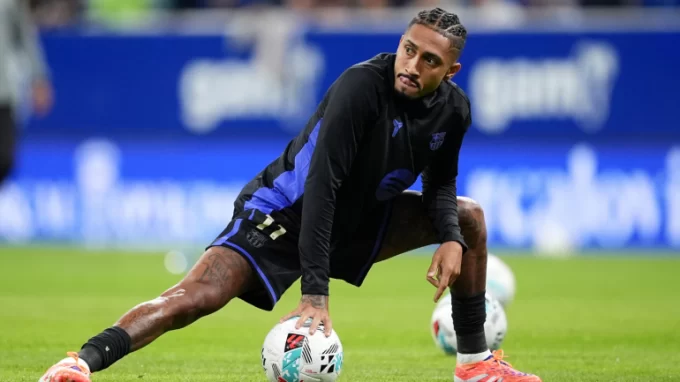
Barcelona’s Fragile Pursuit: When Injuries Threaten More Than Just a Season
A silence spreads over Camp Nou that no roar can drown out—two...
 Chris Marks2 Mins read
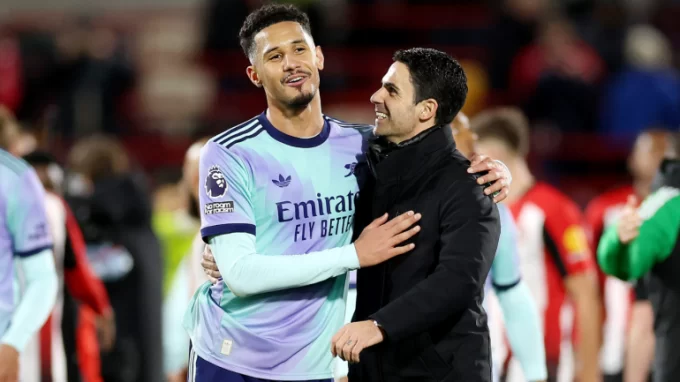
William Saliba: Arsenal’s Silent Architect or Its Greatest Gamble?
The air inside the Emirates shifts with unspoken tension—William Saliba, once a...
 Joseph Bennett2 Mins read
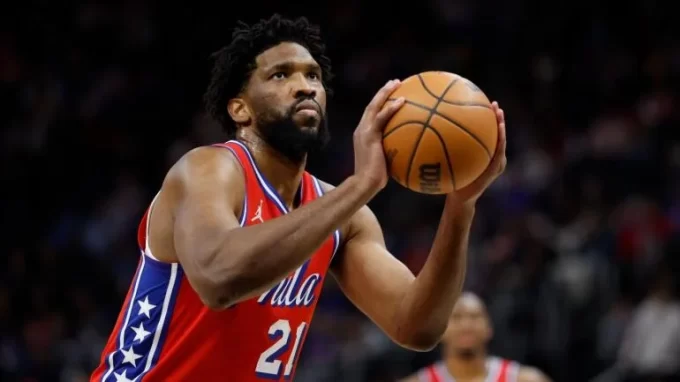
Joel Embiid’s Quiet Confidence: Is the 76ers’ Giant Ready to Rewrite His Story?
Joel Embiid is rarely one to make noise without purpose, and now,...
Kirsten Collins1 Mins read
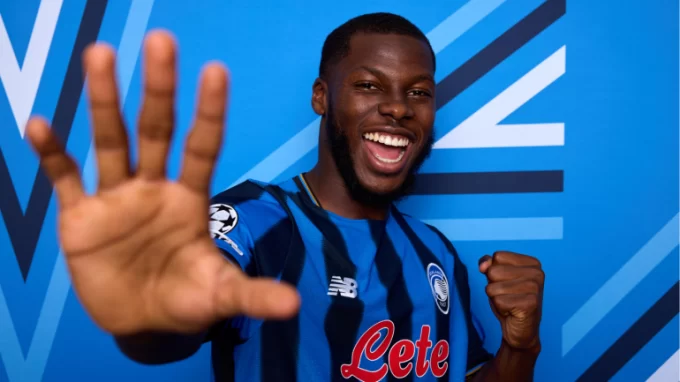
Juventus, Atalanta, and Arsenal’s Quiet Revolution: What’s Really Shaping This Week in Football?
The roar of Serie A stadiums masks a subtle shift, one that...
Kirsten Collins2 Mins read





Leave a comment