

Jack Draper’s Racket Smash: A Moment of Fury or a Glimpse into the Soul of a Tennis Prodigy?
When Jack Draper obliterated his racket in Rome, was it a mere outburst or a raw, unfiltered revelation of the pressures that plague young athletes?
 Joseph BennettMay 14, 20251 Mins read26
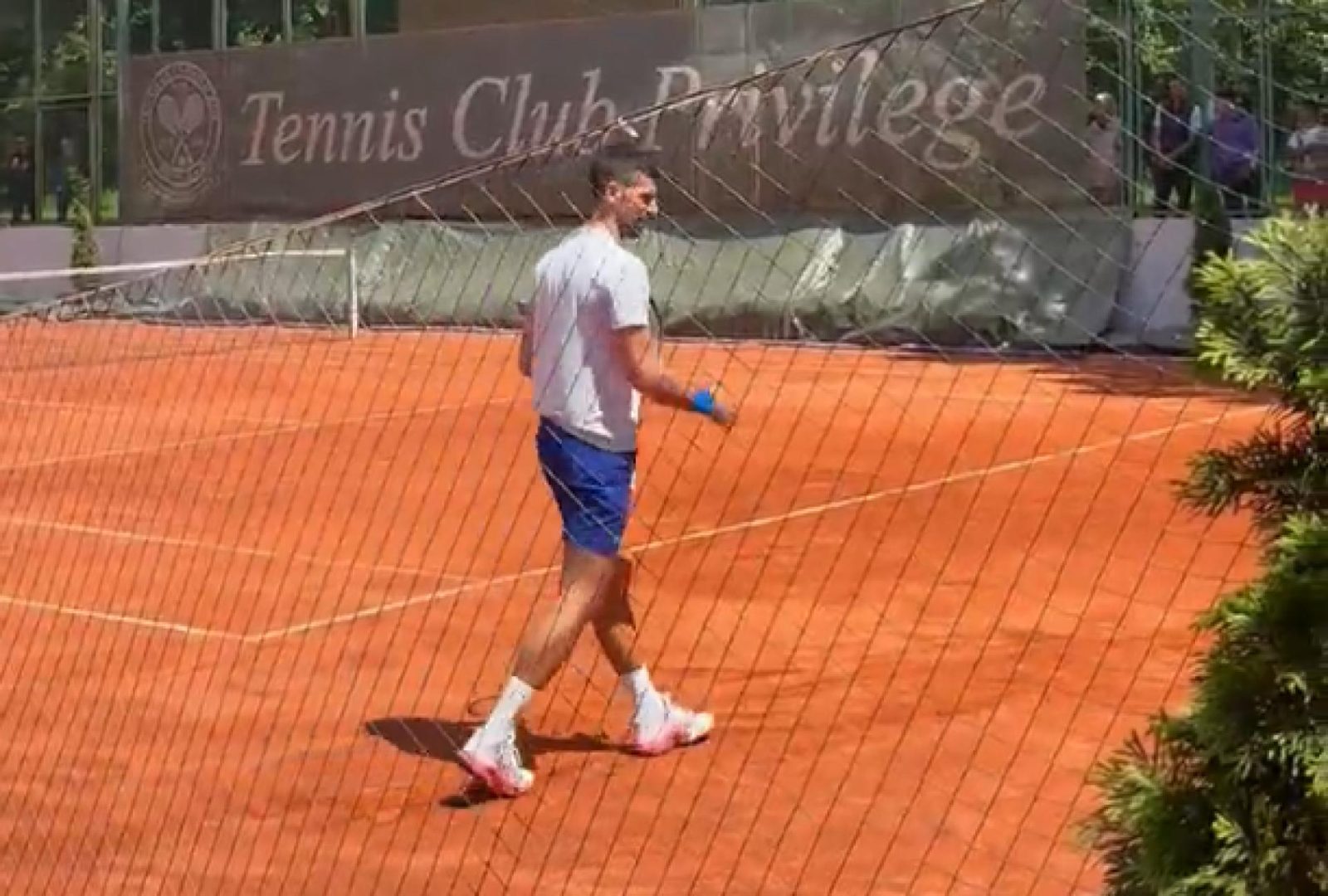
In the hushed ambiance of Rome’s clay courts, a single act shattered the silence: Jack Draper, Britain’s rising tennis star, violently destroyed his racket after a lost point. The crowd recoiled; the moment was jarring, yet undeniably human. But what does this fleeting burst of fury reveal about the man behind the racket?
The Weight of Expectations
At just 21, Draper carries the weight of a nation’s tennis hopes. Ranked No. 5 globally, his ascent has been meteoric. Yet, with each victory comes amplified scrutiny, and with each defeat, intensified self-doubt. In an era where athletes are expected to be paragons of composure, Draper’s outburst was a stark reminder of the emotional toll of professional sports.
A Moment of Vulnerability
In an interview, Draper candidly admitted, “It’s hard to always act perfectly.” This admission, though simple, is profound. It underscores the internal battles athletes face, often hidden behind the facade of professionalism. His vulnerability in that moment resonated with many, offering a glimpse into the pressures and challenges that accompany fame and competition.
The Fine Line Between Passion and Impulse
While some criticized Draper’s actions as unprofessional, others saw them as a testament to his passion and commitment. In a sport where emotions are often suppressed, his display was raw and unfiltered. It begs the question: can such outbursts be viewed as a necessary release, or do they tarnish the integrity of the game?
Beyond the Court
Draper’s journey is not just about forehands and backhands; it’s about navigating the complexities of mental health, societal expectations, and personal growth. His candidness about his struggles and triumphs serves as a beacon for many young athletes grappling with similar challenges. In a world that often demands perfection, Draper’s authenticity is both refreshing and necessary.
As Draper continues his ascent in the tennis world, one can’t help but wonder: will his raw emotion be seen as a strength or a liability? In a sport that often prizes restraint, perhaps it’s time to reconsider what it means to truly “play the game.”







Barcelona’s Fragile Pursuit: When Injuries Threaten More Than Just a Season
A silence spreads over Camp Nou that no roar can drown out—two...
 Chris Marks2 Mins read

William Saliba: Arsenal’s Silent Architect or Its Greatest Gamble?
The air inside the Emirates shifts with unspoken tension—William Saliba, once a...
Joseph Bennett2 Mins read

Joel Embiid’s Quiet Confidence: Is the 76ers’ Giant Ready to Rewrite His Story?
Joel Embiid is rarely one to make noise without purpose, and now,...
 Kirsten Collins1 Mins read
Juventus, Atalanta, and Arsenal’s Quiet Revolution: What’s Really Shaping This Week in Football?
The roar of Serie A stadiums masks a subtle shift, one that...
Kirsten Collins2 Mins read





Leave a comment