

No Kissing, No Career: The Price of Principles in Hollywood
Neal McDonough didn’t break a rule—he set one. Now, he’s paying the kind of price that makes you wonder if Hollywood ever tolerated virtue, or just used it until it got in the way.
 Joseph BennettJuly 30, 20252 Mins read15
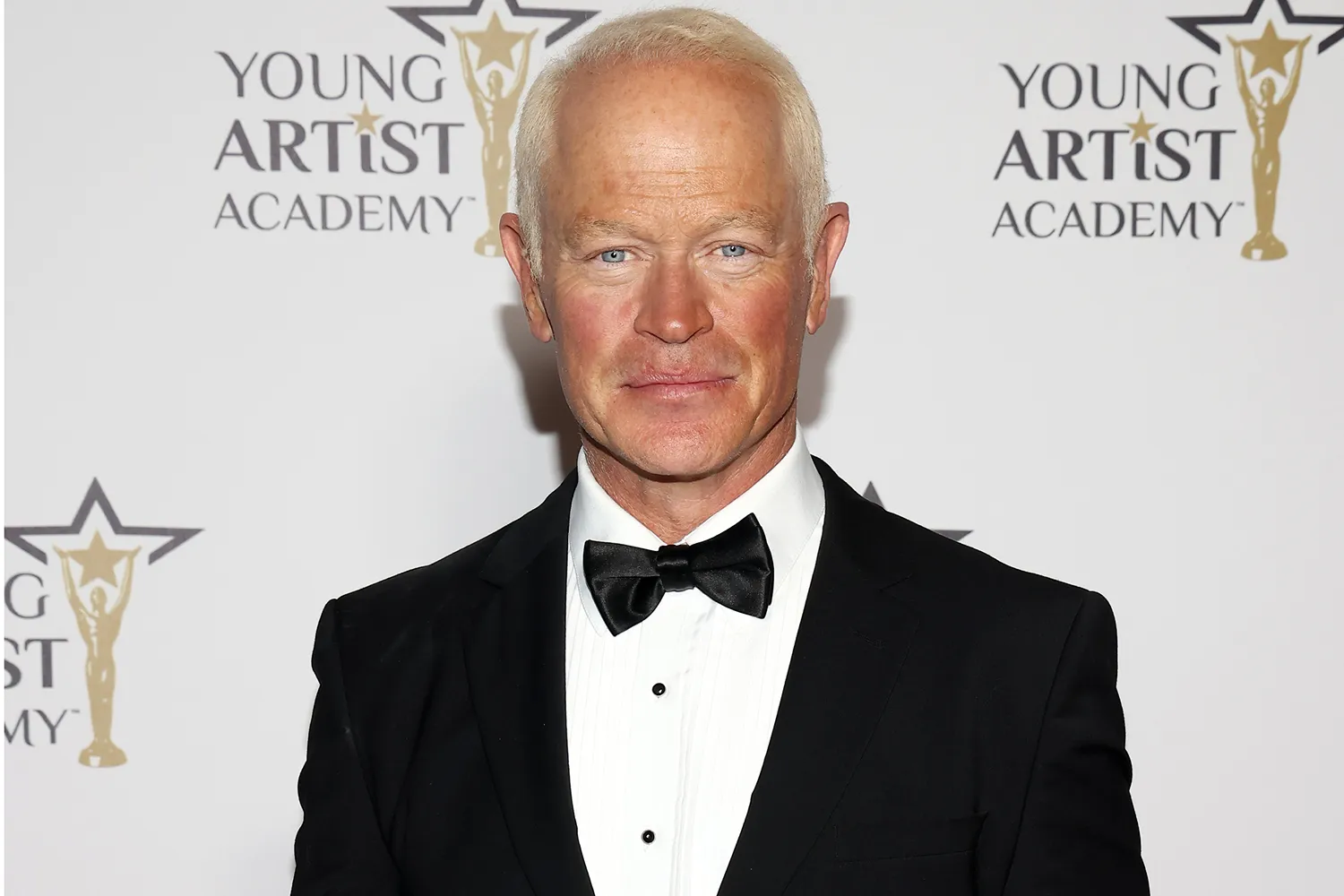
Neal McDonough had one rule: no kissing scenes. Not for the tabloids, not for leverage—just a personal line drawn for faith, fidelity, and family. In an industry that parades virtue like it’s wardrobe, his quiet conviction was too loud. One by one, the scripts stopped coming.
For a time, he had it all—supporting roles that added steel to any scene, a face directors liked to cast when they needed someone with both charm and danger. But when he declined a kissing scene on Scoundrels in 2010, the phone stopped ringing. “I was scrapped from that show,” McDonough recalled, “and it was devastating.” The story resurfaced this week with his Yellowstone buzz. But the silence in between says more than any headline.
This isn’t just about one actor’s beliefs. This is about what happens when Hollywood encounters something it can’t seduce.
Virtue with a Price Tag
There’s a strange contradiction at the heart of McDonough’s story—he’s being punished for the very thing Hollywood claims to champion: personal integrity. We laud actors for speaking truth to power, living authentically, standing for something. But only if that “something” aligns with the industry’s palate of acceptable rebellion. A refusal to kiss a co-star? That’s not edgy. That’s inconvenient.
What’s more unnerving is how quickly Hollywood’s love becomes conditional. Careers have survived scandal, assault, addiction, even weaponized egos. But an actor choosing marital fidelity as a boundary? That’s apparently unmarketable. “You’re supposed to bend,” one casting agent once said off-record. “Or at least pretend you will.”
The message is clear: The industry tolerates your truth—until it disrupts the scene.
When Morality Is Off-Script
There’s a haunting loneliness to conviction. McDonough isn’t bitter. He speaks with a kind of serene defiance, as if he knew the trade-off was coming all along. And now, with a new wave of interest thanks to his Yellowstone role, the world is being reintroduced to the actor who once said no in an industry that whispers yes for a living.
But underneath the headlines is a larger cultural riddle: What is authenticity worth when it makes people uncomfortable? And why are we more forgiving of the performative than the principled? Perhaps it’s easier to watch a character cheat than to listen to a man say he won’t.
Hollywood thrives on narratives. But sometimes the truest stories are the ones that never made it past the casting call.
The cameras will keep rolling, the scripts will keep being written, and someone else will take the kiss. But somewhere, in the quiet corridors between belief and ambition, McDonough’s refusal lingers—unapologetic, unbent.
And in a town built on stories, maybe the ones we reject say more about us than the ones we tell.



When Mercy Meets Tragedy: The Widow Who Forgave Her Husband’s Killer
The air thickens when forgiveness enters a room meant for grief. Imagine...
 Chris Marks1 Mins read
When Fear Became a Lifeline: Pete Davidson’s Reckoning in Rehab
There’s a silence that follows a mother’s voice when she confesses her...
Joseph Bennett1 Mins read
Pete Davidson’s mom told him in rehab worst fear was learning he died
Pete Davidson is opening up about the heartbreaking moment he had with...
Chris Marks2 Mins read
Katie Couric’s Unexpected Spin on Sydney Sweeney’s American Eagle Ad: What’s Really Being Said?
Katie Couric stepping into a scene dominated by Gen Z glamour feels...
 Krista Freeland2 Mins read





Leave a comment