

Wegovy’s New Secret: Is the Liver the Next Battleground for Luxury Medicine?
Once a tool for weight loss, now a potential treatment for liver disease—Wegovy is quietly shapeshifting. But behind the pharmaceutical glamour, a more elusive narrative is unfolding.
 Kirsten CollinsApril 30, 20252 Mins read28
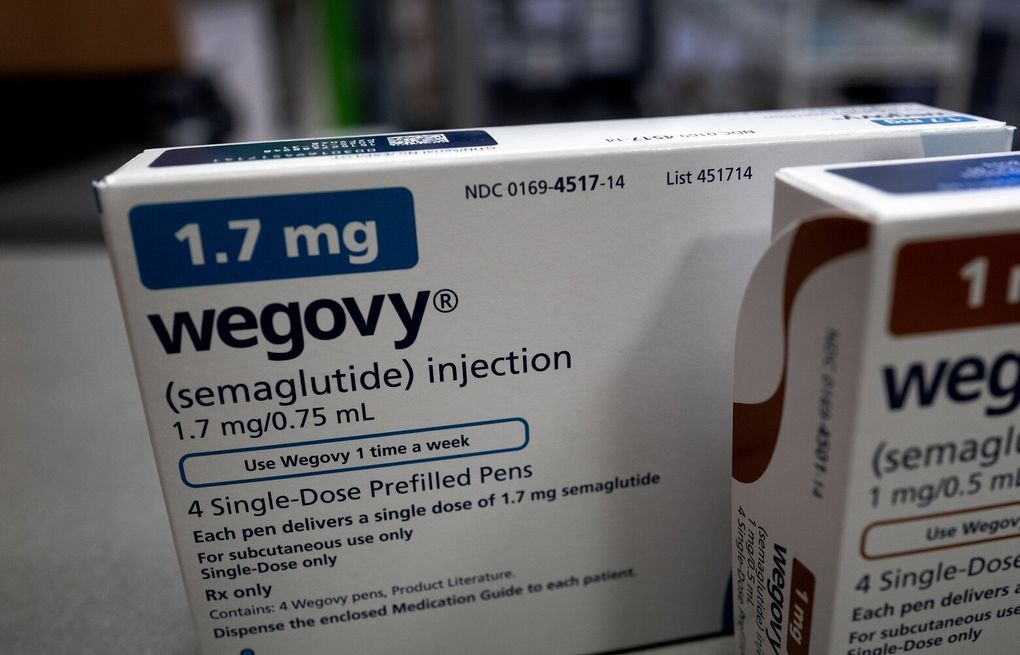
The syringe whispers softly now. Not just to the waistline, but to the liver. Wegovy—once paraded across headlines as the golden wand of celebrity weight loss—is repositioning itself as a savior for one of the body’s most silent, most overlooked battlegrounds: the liver. A recent study suggests that this semaglutide-based drug could treat metabolic dysfunction-associated steatohepatitis (MASH), a dangerous form of fatty liver disease that has long evaded cure. But what’s truly being treated here—biology, or image?
It’s a curious evolution. A drug birthed in the boudoirs of beauty now dipping its toes into the deeper pools of chronic illness. The pivot feels redemptive. But also strategic. When a drug crosses over from lifestyle to life-saving, it gains something rare in modern medicine: legitimacy with gloss.
The Drug That Dresses Itself in Many Mirrors
Pharma rarely does fashion. But Wegovy? Wegovy walks a runway. Marketed for aesthetic transformation, it became the darling of both TikTok testimonials and endocrinology offices. Now, it’s flirting with hepatology, as studies begin to suggest it can reverse liver inflammation and fibrosis in patients with MASH. What was once an injectable accessory is now a potential frontline weapon.
But that duality raises questions. “We’ve medicalized vanity and now we’re glamorizing medicine,” said one researcher, off-camera but not off-record. “It’s hard to tell where the health ends and the marketing begins.”
Indeed, semaglutide’s journey feels less like scientific progress and more like a rebranding campaign in slow motion. One moment, it’s flattening stomachs. The next, it’s rescuing organs. But is the public being informed—or seduced?
The Medicine of Desire, the Disease of Silence
There is something chillingly poetic about Wegovy’s arc. The drug began by targeting what we see—weight, image, perception. Now it claims to mend what we don’t—an inflamed liver, a dying silence. This trajectory reflects not just a medical advance but a cultural pivot: we are increasingly medicating shame, and calling it science.
And yet, the liver—like so many organs tied to obesity and stigma—has never been treated with the urgency of more visible diseases. Its cries are internal. Wegovy, now playing the part of both beauty serum and biological solution, may be the first to make the invisible organ fashionable.
But to what end? Will the newfound attention to MASH be sustained once the novelty wears off? Or is this merely a chapter in the ongoing luxury-medical-industrial story—where drugs wear new labels as easily as models wear couture?
—
The syringe still whispers. But it’s harder to hear what it’s saying now. Maybe it always was. After all, who profits more—the body, or the brand?







The Man Who Bled for Millions
He saved over 2.5 million babies, but no one ever recognized him...
Kirsten Collins2 Mins read

The Silence Before the Sneeze
A dead bird, limp on the edge of a sidewalk in Guangdong,...
Kirsten Collins2 Mins read

The Fetishization of Fear: RFK Jr. and the Vaccine Fetuses Lie
It begins, as these things always do, with a whisper dressed as...
Kirsten Collins2 Mins read
The Lie That Keeps Mutating
The seduction of scandal is ancient, but its latest host is disturbingly...
Kirsten Collins2 Mins read




Leave a comment