

The Bengals’ Blink Game: When Contract Language Becomes Front‑Page Drama
A rookie holds out, an owner speaks bluntly about jail-time clauses, and tension erupts in green rooms—this is not your average first-round fuss. What happens when legalese overshadows athleticism?
 Joseph BennettJuly 21, 20251 Mins read12
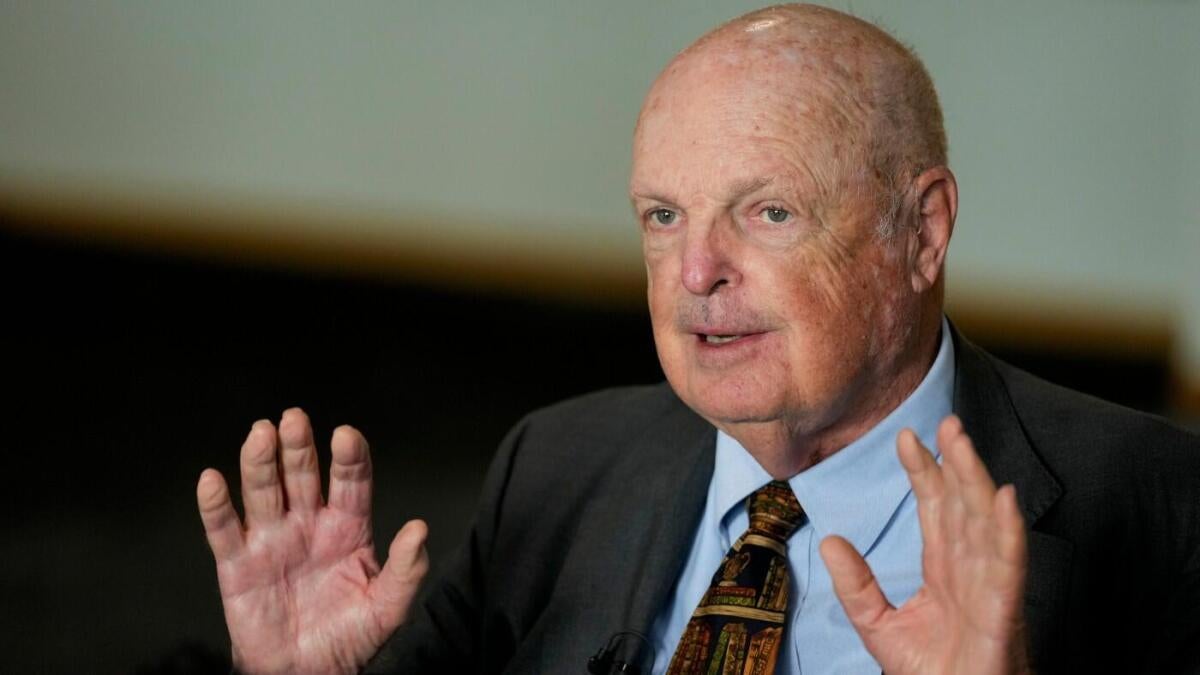
He sat in Texas A&M’s weight room instead of Cincinnati’s training camp, a first-round pick without a pen. And in Cincinnati, a 90‑year‑old owner glared—on media stage—into the quiet void of an unsigned contract. “We’re not paying someone to sit in jail,” Mike Brown declared, and the punchline ricocheted through NFL circles like a lingering insult.
This saga isn’t about millions saved—it’s about clauses, control, and narrative. Brown’s jab at jail-time forfeiture isn’t just financial caution, it’s a threat. But is it about morality—or maneuvering?
Words That Hold Power
Brown labeled Stewart’s stance “foolishness,” painting the clause dispute as stubborn theatricality. Duke Tobin, more measured, blamed tactics and agents, not the player. But Brown’s words—“we just ought to get done”—reveal impatience. Is it fear of precedent? Or fear of losing face?
Stewart counters: he’s “100 percent right”—asking only for parity with predecessors, not novel gain. But what’s at stake isn’t money—it’s status. By refusing to yield, Stewart challenges hierarchy. By refusing to budge, the Bengals risk unity.
Negotiation as Theater
This drama unspooled at the team’s rare media luncheon—traditionally polite, today edged with confrontation. It’s all playing out before fans, cameras, analysts. The NFL is pro spectacle, but do sound bites solve legalities? Or do they poison negotiations?
If this holds into camp and preseason, the potential fallout isn’t just on Stewart—it’s on a franchise that chases Super Bowl hopes even as it stalls assets at camp. Accountability, image, tradition—they’re tangled in the contract’s fine print.
A rookie paused, an owner unleashed, a clause turned catalyst—this is more than ink on paper. It’s a clash of values, reputations, and what each side refuses to surrender. And as final whistles approach, one question lingers: who blinks first—and what’s it worth?







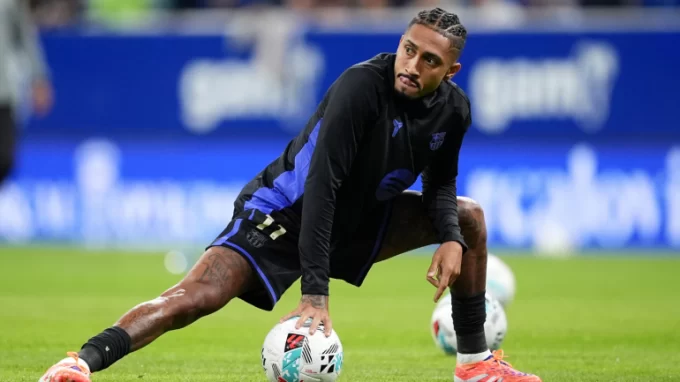
Barcelona’s Fragile Pursuit: When Injuries Threaten More Than Just a Season
A silence spreads over Camp Nou that no roar can drown out—two...
 Chris Marks2 Mins read
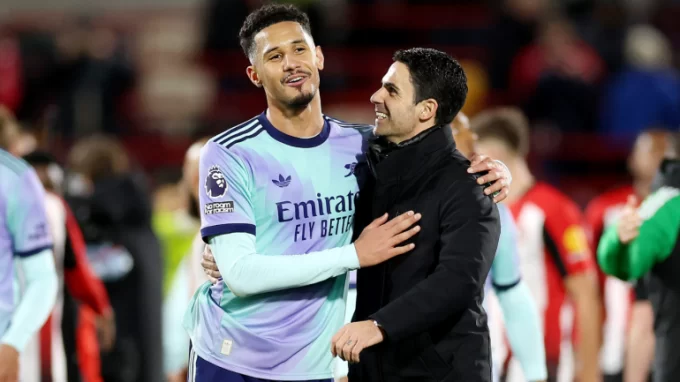
William Saliba: Arsenal’s Silent Architect or Its Greatest Gamble?
The air inside the Emirates shifts with unspoken tension—William Saliba, once a...
Joseph Bennett2 Mins read
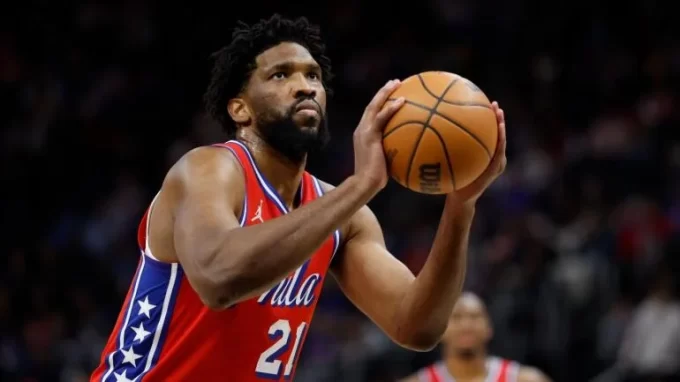
Joel Embiid’s Quiet Confidence: Is the 76ers’ Giant Ready to Rewrite His Story?
Joel Embiid is rarely one to make noise without purpose, and now,...
 Kirsten Collins1 Mins read
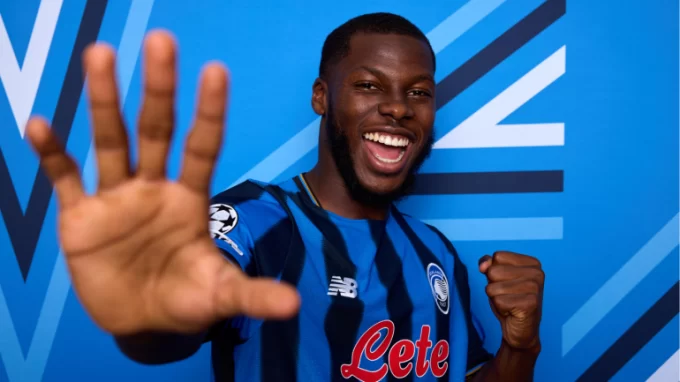
Juventus, Atalanta, and Arsenal’s Quiet Revolution: What’s Really Shaping This Week in Football?
The roar of Serie A stadiums masks a subtle shift, one that...
Kirsten Collins2 Mins read





Leave a comment