

Wes Craven vs. Ethan Embry: A Tale of Fear, Auditions, and Redemption
Decades before joining the Scream legacy, Ethan Embry bombed his original audition—drawing sharp criticism from Wes Craven himself. Now, Evelyn circles back after almost 30 years, provoking deep questions about timing, talent, and destiny in Hollywood’s horror hierarchy.
 Joseph BennettJune 20, 20251 Mins read26
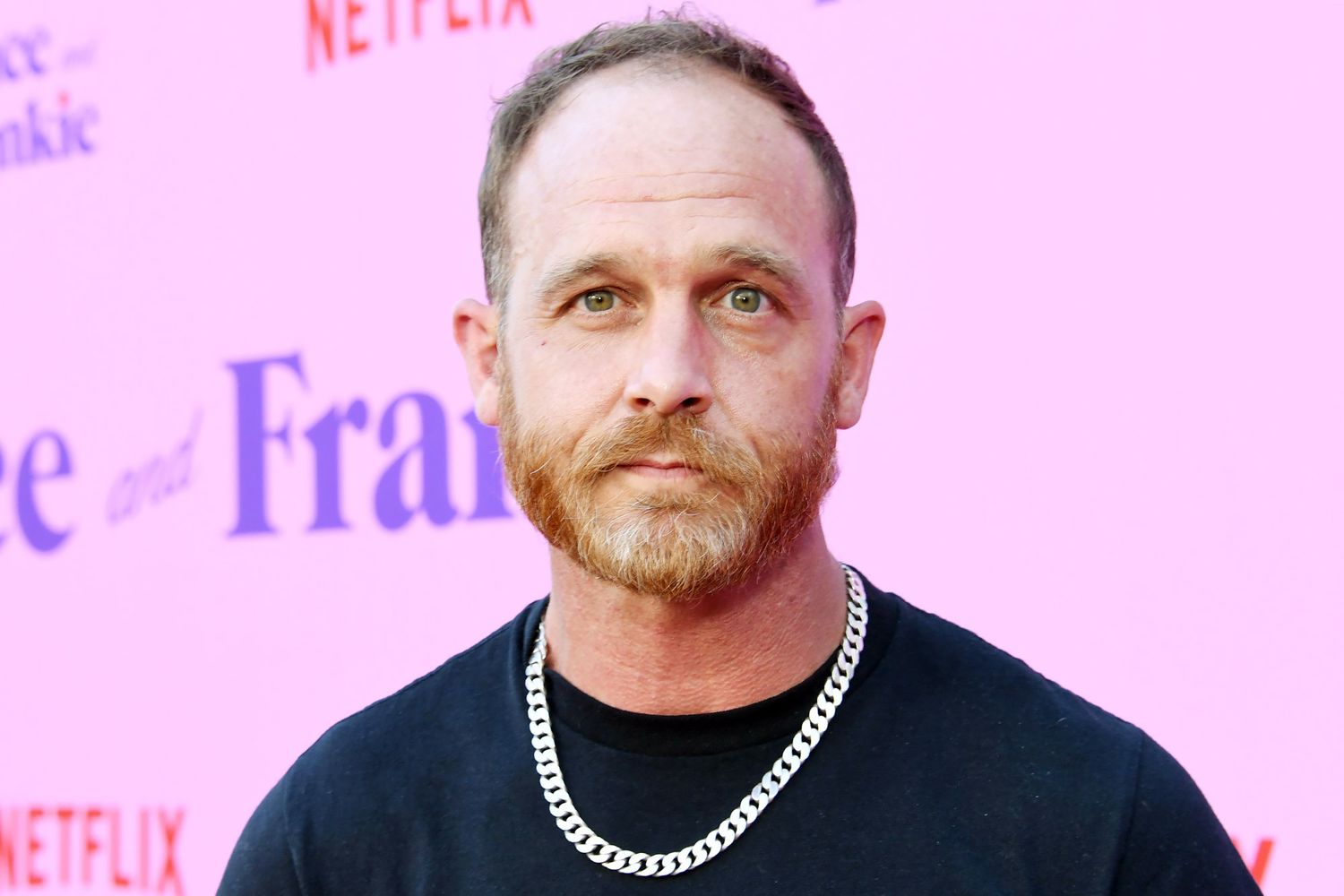
Jon Kopaloff/Getty
Horror royalty doesn’t hand out invitations lightly. Ethan Embry once watched his Scream audition vanish in Craven’s disapproving gaze—and Craven wasn’t shy about letting him know. Flash-forward almost 30 years: Embry now steps into Scream 7, giving that fateful rejection a dramatic afterlife.
It’s a collision of histories and egos—a reminder that in Hollywood, one door slammed can echo all the louder when it finally sails open years later.
The Audition That Wasn’t Good Enough
Embry admits it: his original pitch “bombed.” He can’t recall which character he was vying for—Randy or Stu—but what stung was Craven’s critique. The man who ushered in horror’s meta revival wasn’t impressed. “Not getting good feedback from Mr. Craven” is an understatement that carries decades of silent ambition.
This moment exposes a paradox: rejection, when wielded by a legend, can sharpen or shatter. For Embry, it carved a tenacious path, proving that failure, even when public and painful, can ferment into something far more potent.
From Cold Shoulder to Open Arms
Now, though, Embry returns—on Craven’s legacy and under Kevin Williamson’s helm. Scream 7 reassembles old faces and introduces new ones, but the real intrigue is Embry’s long-overdue entrance into the Ghostface universe. “It was absolutely incredible to be invited,” he reflects—an admission steeped in humility, vindication, and narrative symmetry.
It begs the question: does true talent lie in the audition or the comeback?
When Hollywood closes the door, it often locks out the moment but not the future. Embry’s story whispers that timing, growth, and resilience can rewrite the script locked away by rejection. And so, if Craven was unimpressed once—what will he think now?





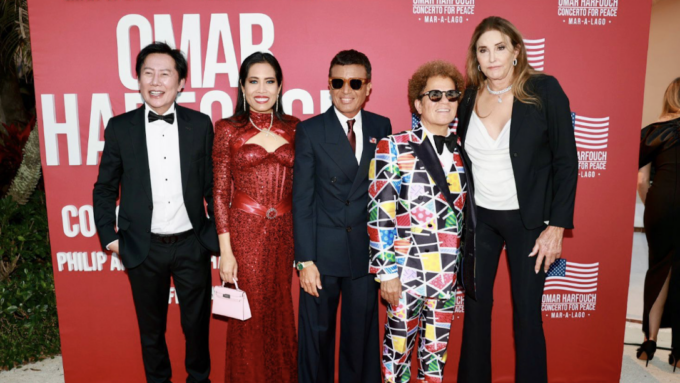
Pianist Omar Harfouch Brings Celebrated Figures Together for a Night of Cultural Exchange – Hollywood Life
Image Credit: Omar Harfouch On February 20, 2026, pianist and cultural figure...
 Kirsten Collins2 Mins read

Who Is Ivana Lisette Ortiz? About the Rihanna Home Shooting Suspect – Hollywood Life
Image Credit: WWD via Getty Images The suspect in the March 8,...
Kirsten Collins1 Mins read

How Much Money Does She Have Now? – Hollywood Life
Image Credit: WWD via Getty Images Rihanna may be known as one...
Kirsten Collins2 Mins read
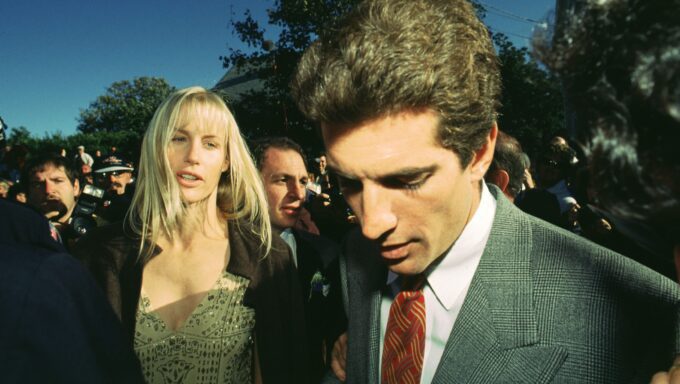
Stars Who Slammed ‘Love Story: JFK Jr. & Carolyn Bessette’: Statements – Hollywood Life
Image Credit: Getty Images FX’s Love Story: John F. Kennedy Jr. and...
Kirsten Collins2 Mins read





Leave a comment