

What a Sale Really Sells: Parachute, Lululemon, Away & Sephora All Mark Down—But What’s the Message?
From linen sheets to leggings, this season’s most desirable brands are offering rare discounts—but behind the markdowns is a new kind of urgency. Are we buying comfort, or control?
 Kirsten CollinsSeptember 9, 20201 Mins read112
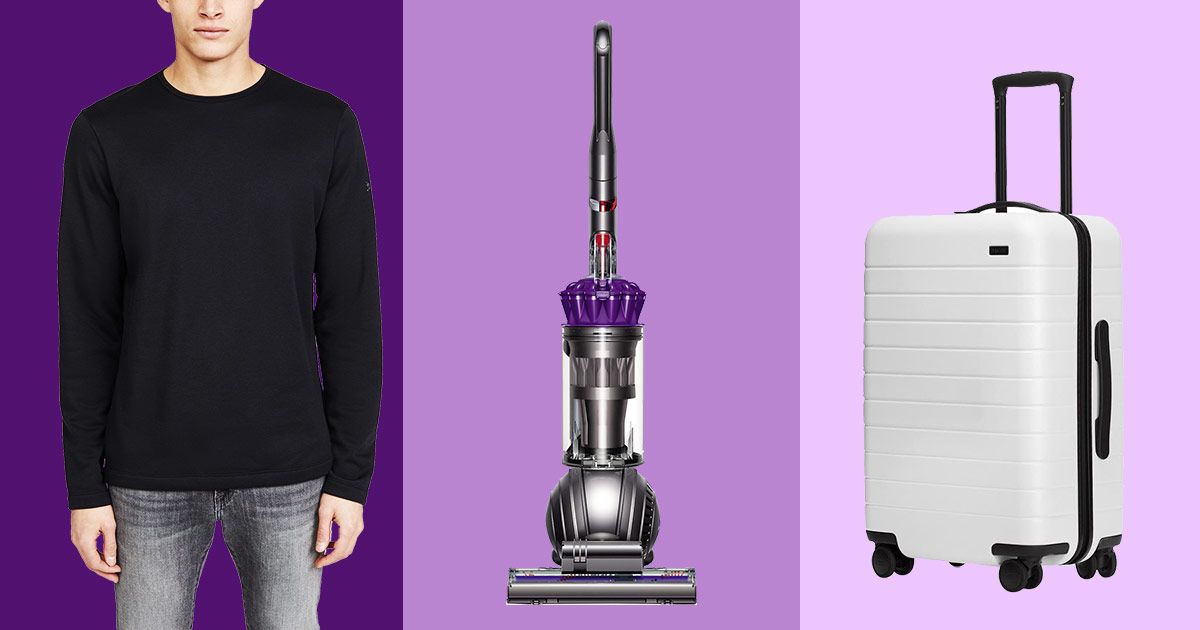
A yoga mat, a cashmere robe, a carry-on bag engineered like a Swiss vault. Not exactly impulse buys—until now. With Parachute, Lululemon, Away, and Sephora quietly slashing prices across select collections, the aspirational has become momentarily accessible. But it’s not just your wallet being targeted—it’s your sense of self.
These aren’t just brands. They’re belief systems. Lululemon doesn’t sell leggings—it sells alignment. Parachute doesn’t sell bedding—it sells sleep as salvation. Away doesn’t sell suitcases—it sells escape as identity. And Sephora? A curated altar to control, reinvention, and visible effortlessness.
Discounts That Whisper, Not Shout
The markdowns are subtle. Intentional. They don’t scream clearance. They hum permission. A 15% price drop on a $400 set of sheets doesn’t feel like savings—it feels like you’re finally allowed to live the life Instagram promised you.
But there’s a tension. These brands have spent years building scarcity as sophistication. So when the prices fall, the spell risks breaking. Is this generosity… or strategy?
One shopper summed it up best: “I didn’t need another serum. But on sale? I needed to feel like someone who uses that serum.”
Comfort, Repackaged as Power
What binds these brands isn’t product—it’s posture. They sell a version of control you can hold, wear, or spritz. And when they go on sale, they reveal something more vulnerable: the consumer’s craving not just for beauty or function, but for grace under pressure.
In a world that rarely slows down, luxury now masquerades as self-regulation. The sale is less about price, more about access. You’re not just buying a robe. You’re buying the illusion that you’ve mastered your morning.
So yes, the deals are real. But maybe what you’re buying isn’t the thing itself. Maybe you’re buying a version of yourself—calmer, cooler, just barely within reach.







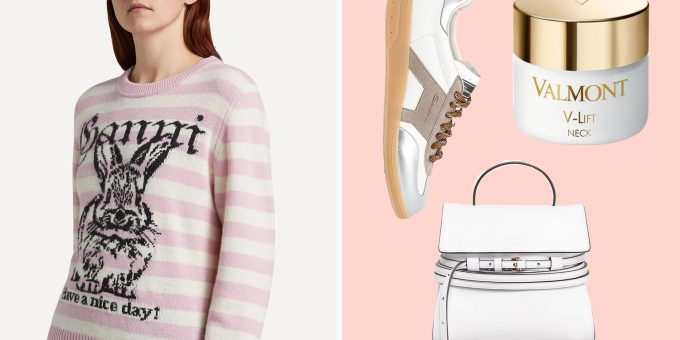
The Velvet Rope Has Frayed: Saks Fifth Avenue Just Walked into Amazon’s Living Room
They didn’t hear the door creak open—but it did. In a move...
Kirsten Collins2 Mins read

The Face That Didn’t Fit: Meghan, Beauty, and the Industry’s Silent Criteria
They never said it outright. They didn’t need to. Silence, when paired...
Kirsten Collins2 Mins read
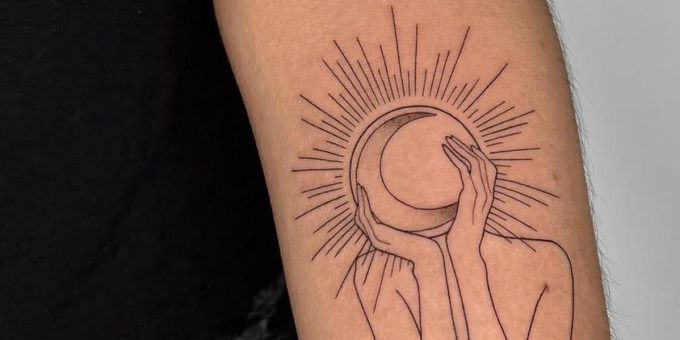
15 Moon Tattoo Ideas for a Celestial Piece That’ll Fit Each Phase of Your Life
When it comes to getting permanent art tattooed on your body, there...
Kirsten Collins3 Mins read
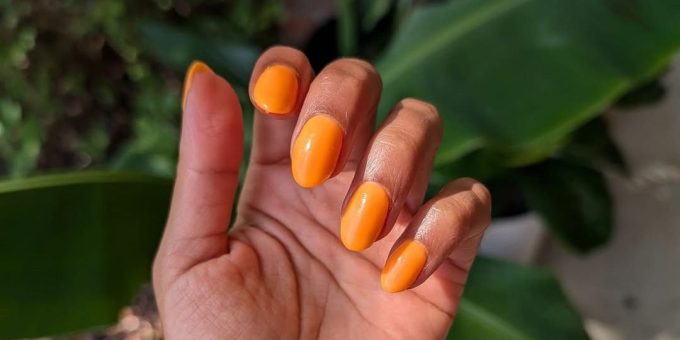
The Dip That Won’t Chip: Is Your Manicure Hiding Something?
No one talks about what happens to softness when you dip your...
Kirsten Collins1 Mins read





Leave a comment