

The Silence Beneath the Screams: What the Idaho Murders Still Aren’t Telling Us
Months after Bryan Kohberger was arrested for the Idaho student murders, we still don’t have the one thing that matters most—why. And that void is shaping the story more than any fact ever could.
 Kirsten CollinsAugust 1, 20252 Mins read25
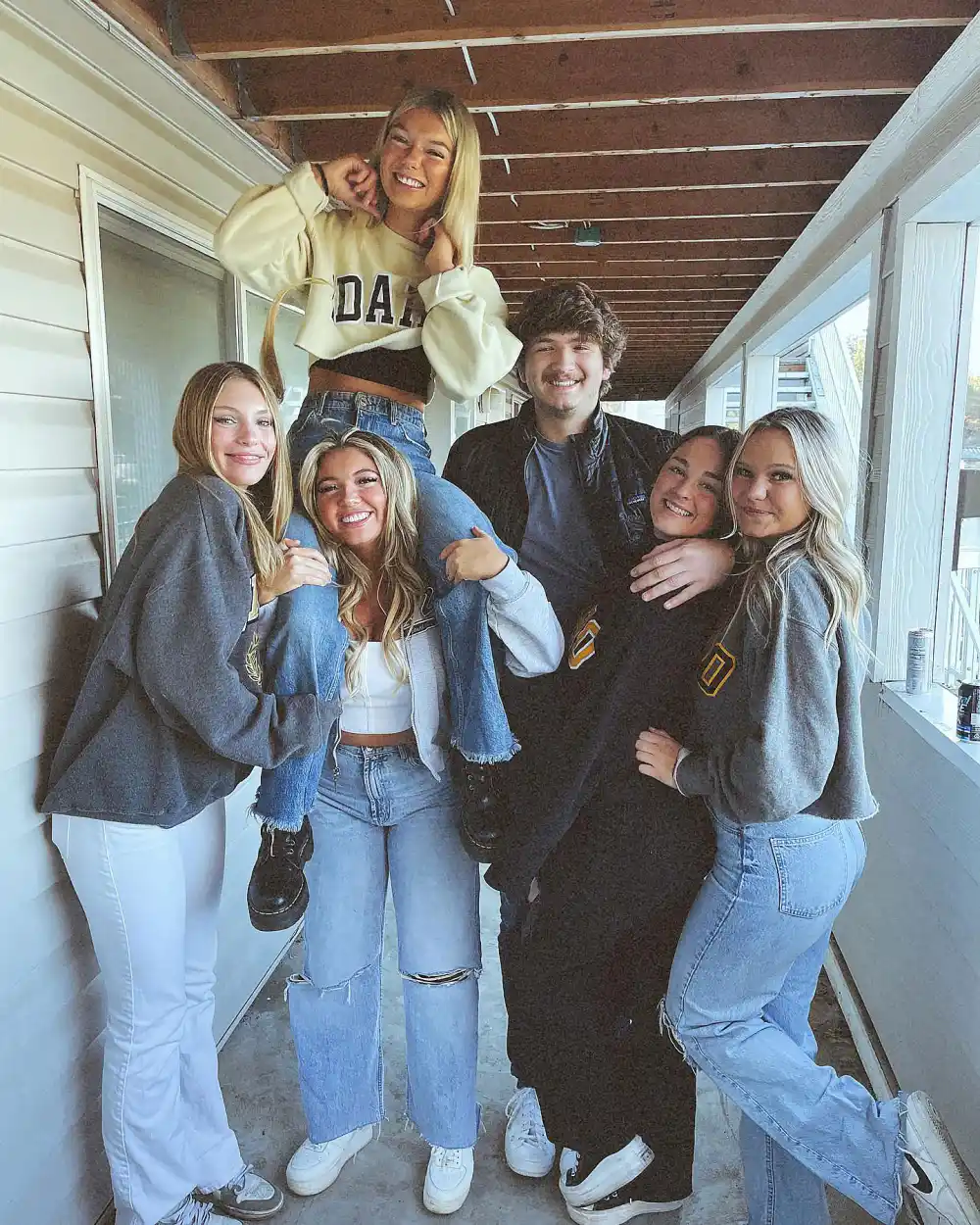
It wasn’t the blood. It wasn’t the brutality. It was the timing—3 a.m., in a sleepy college town, with no scream loud enough to pierce the stillness. Four lives were ended in a single night, and yet no one heard the violence coming. That’s not just disturbing. That’s architectural. It speaks to a structure we don’t yet understand.
Bryan Kohberger, the suspect charged in the murders of four University of Idaho students, sits at the center of a chilling still life. There are no confessions, no text messages, no known relationship to the victims. The prosecution calls it evidence. The public calls it silence. And in that vacuum, theories metastasize. Obsession, incel rage, academic resentment, psychopathy—each explanation offered is less satisfying than the last, and still somehow more believable than nothing.
The Motive That Isn’t There
For a case this high-profile, the silence is unnerving. It would be easier if Kohberger had posted a manifesto, drawn a map, scribbled in a notebook. Instead, he left fingerprints of a different kind—cell phone pings, DNA on a sheath, the eerie coincidence of criminology studies aligning with methodical, almost surgical violence.
But knowledge isn’t motive. Obsession isn’t enough. He studied serial killers. So do thousands of graduate students. He drove the night of the murders. So do truckers, bartenders, lost souls. The problem is not that there is no story. It’s that we keep trying to tell one where there might not be. “He was just…quiet,” a former classmate said. “Not in the shy way. In the way that makes you wonder what’s in the silence.”
The public doesn’t want a trial. It wants an explanation. We crave a motive not to understand, but to categorize. Without one, the case becomes not just a legal puzzle but a cultural abyss.
A Crime Without a Code
Even the language around this case falters. True crime podcasts tread lightly, unwilling to speculate. News outlets repeat facts with mechanical detachment. The words we reach for—“premeditated,” “unprovoked,” “chilling”—sound tired against the raw strangeness of the crime.
And then there’s the architecture again—the layout of the house, the roommates left untouched, the knife left behind. It’s almost as if the killer wanted to be studied, not caught. A performance piece in blood. Except there’s no manifesto, no manifesto-maker. Just the still image of Kohberger: watching, maybe. Not speaking.
This is the part of the story where we expect resolution. A cracked psyche. A childhood wound. A pattern of escalating violence. But none have arrived. And so we sit, as a culture, inside that unfinished sentence. Still waiting. Still wondering.
And in that waiting, we might ask the more uncomfortable question: what if this isn’t a story with an ending?





When Mercy Meets Tragedy: The Widow Who Forgave Her Husband’s Killer
The air thickens when forgiveness enters a room meant for grief. Imagine...
 Chris Marks1 Mins read

When Fear Became a Lifeline: Pete Davidson’s Reckoning in Rehab
There’s a silence that follows a mother’s voice when she confesses her...
 Joseph Bennett1 Mins read

Pete Davidson’s mom told him in rehab worst fear was learning he died
Pete Davidson is opening up about the heartbreaking moment he had with...
Chris Marks2 Mins read

Katie Couric’s Unexpected Spin on Sydney Sweeney’s American Eagle Ad: What’s Really Being Said?
Katie Couric stepping into a scene dominated by Gen Z glamour feels...
 Krista Freeland2 Mins read





Leave a comment