

The Peacock Paradox: Streaming’s Forgotten Cinema Treasure Trove
Peacock is quietly amassing a film library that challenges the streaming giants—but why is it still the underdog in the battle for your screen time?
 Kirsten CollinsAugust 11, 20252 Mins read19
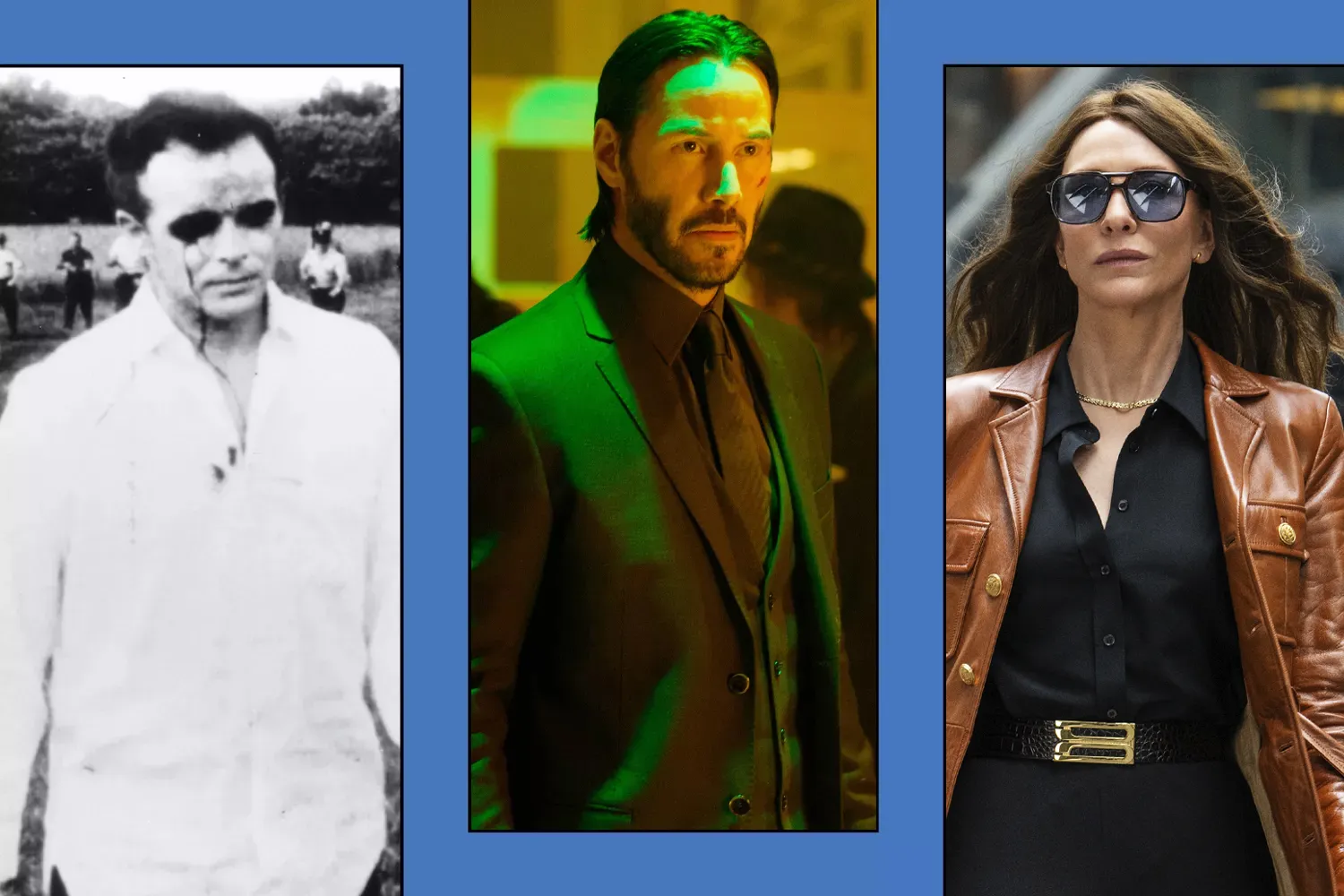
A dimly lit living room. The glow of a TV screen flickers against the face of a viewer who scrolls endlessly through the same handful of streaming giants—Netflix, Disney+, HBO Max. But tucked just beneath this luminous hierarchy lies Peacock, a streaming platform that few truly acknowledge, yet many should be watching. It’s a paradox: a service with an unexpectedly rich film collection, hiding in plain sight, whispering that perhaps the streaming wars are far from decided.
In the crowded streaming ecosystem, Peacock carries an aura of the overlooked. It’s not flashy. It doesn’t parade its original content with the relentless hype of its competitors. Instead, it offers something curiously old-fashioned—a curated library that blends forgotten classics with modern surprises, inviting cinephiles to reconsider what ‘premium’ means when it comes to streaming.
Where Nostalgia Meets Discovery
Peacock’s charm lies not in blockbuster brawn but in the quiet depth of its catalog. Here, the weary viewer can stumble upon titles that once lit up film festivals or redefined genres, now resting alongside contemporary indies that never quite made the mainstream cut. As one film editor once mused, “Peacock feels like a secret library, a repository for the films that didn’t shout loud enough but whose whispers still resonate.” It’s this juxtaposition of nostalgia and discovery that quietly unsettles the dominance of the usual suspects.
What if streaming isn’t about sheer volume or immediacy, but about the reverence for film as an art form? Peacock’s approach feels like a subtle rebuke to the binge-driven, formulaic cycles dominating today’s digital screens.
Quiet Battles, Loud Shadows
The streaming wars roar with billion-dollar deals and aggressive exclusives, yet Peacock’s strategy whispers instead of shouts. Its steady accumulation of eclectic titles and smartly licensed gems hints at a longer game, one less about disruption and more about cultivating taste. It’s a counterpoint to the frantic churn of algorithmic suggestions, offering an antidote to the instant gratification culture.
One can’t help but ask: Could Peacock’s underdog status be a kind of deliberate elegance, a resistance against the noise? Or is it simply a streaming service caught between ambition and identity, unable to fully claim its place in the sun?
As audiences grow weary of the same recycled franchises, the allure of Peacock’s catalog—unassuming, rich, and quietly authoritative—poses a question that lingers long after the credits roll. When the glare of blockbuster spectacle dims, what will remain to define our cinematic culture?
In the end, Peacock doesn’t just stream movies—it streams a subtle challenge to how we value what we watch. And perhaps that is the real story hiding beneath the surface.







Who Is the Shooter at ODU? Old Dominion University Shooting Updates – Hollywood Life
Image Credit: LightRocket via Getty Images Old Dominion University (ODU) in Virginia...
Kirsten Collins1 Mins read

FBI Alert, White House Response & More – Hollywood Life
Image Credit: Getty Images A report surfaced earlier this week — just...
Kirsten Collins2 Mins read
Do ‘American Idol’ Contestants Get Paid? How Much Winners Get – Hollywood Life
View gallery Image Credit: Getty Images American Idol has been a staple...
Kirsten Collins2 Mins read
Meet His 5 Children, Including New Baby Named Ozzy – Hollywood Life
Image Credit: Larry Busacca Jack Osbourne is now a father of five!...
Kirsten Collins2 Mins read





Leave a comment