

When Fear, Fury & Feathers Collide: Cinema, Superheroes, and a Confessional Album
This week’s cultural triad—a behind-the-scenes dive into Scream, John Cena’s Peacemaker rising again, and Laufey shedding her romantic veneer—doesn't just entertain; it unsettles. What do they all whisper when the credits roll?
 Chris MarksAugust 22, 20252 Mins read19
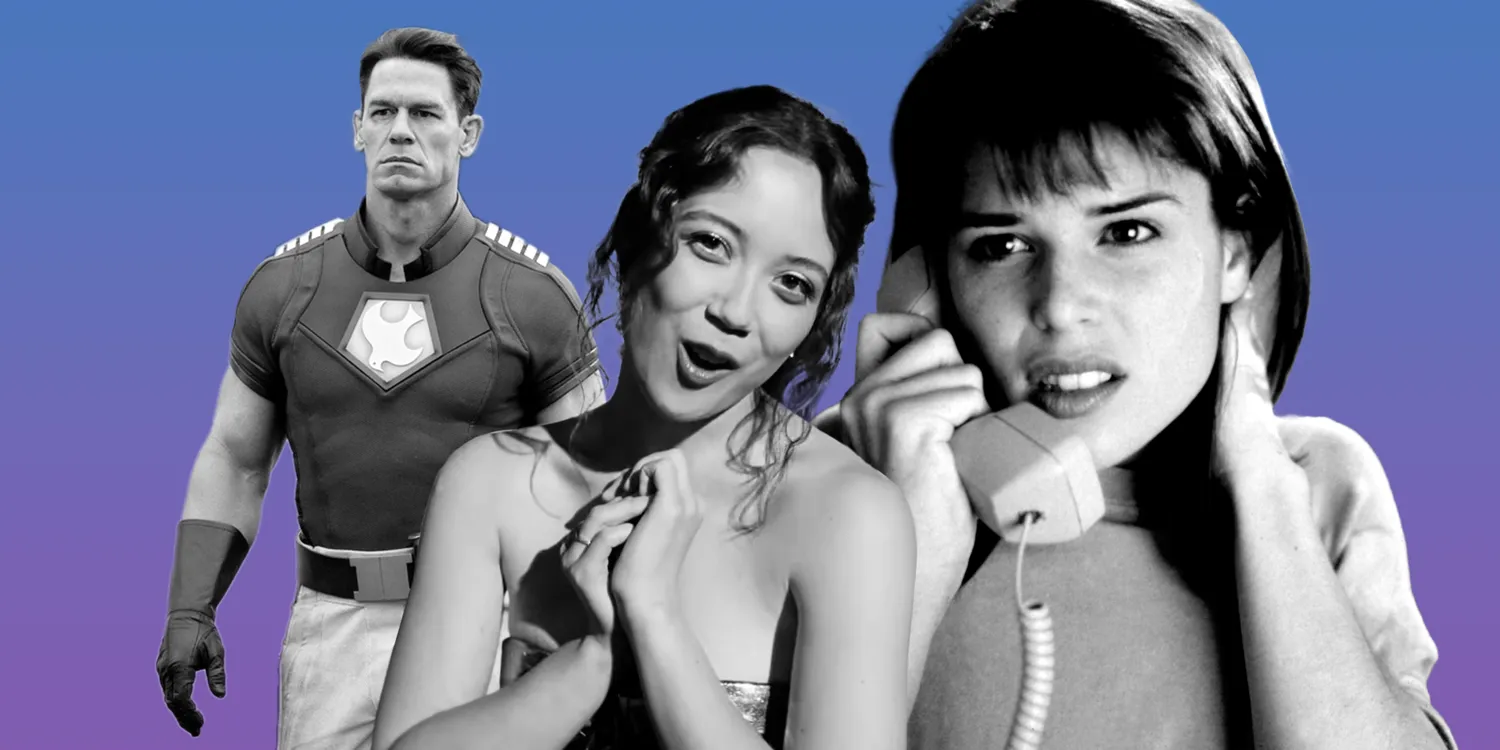
Open with tension—the kind that threads through a scream, a reveal, and the hush before a melody truly lands.
This week’s cultural roundup feels less like a bulletin and more like a pulse—throbbing with the visceral, the defiant, the deeply human. From the shadow-shrouded corridors of Scream to the caped chaos of Peacemaker, and into Laufey’s diary turned album, each narrative begs a question: what are we not yet ready to face?
First, Ashley Cullins’ new volume, Your Favorite Scary Movie, claws open the dark corners of the Scream universe. It teases us with behind-the-scenes whispers—Melissa Barrera’s dismissal, Jenna Ortega’s exit, and a tilt back toward Sidney Prescott’s battered center. Horror fans may think they know the lore, but here it’s as if the shadows themselves start speaking again.
Then comes Peacemaker, now uncowed and unfiltered for Season 2, slung across the multiversal stage of the DC Universe. After a cameo in James Gunn’s Superman, John Cena’s merc with a misguided moral compass returns to HBO Max, promising both smirks and scars as his chaotic arcs deepen. The comedic veneer remains—but what if this time the humor cuts deeper?
Finally, there’s Laufey: her third studio album, A Matter of Time, lands August 22. It’s her most crystalline confessional yet—crafted with collaborators like Aaron Dessner and Spencer Stewart, it balances melodies that feel as if they’re unearthing emotions we tuck away. She says she let her “little monster inside” scream, exploring anger, longing, imperfections in a way that feels as elegiac as it is defiant.
When Trauma Meets Musicals
That intersection is disquieting yet magnetic. Scream has always been meta, but revealing cast shake-ups reframes the horror: is the industry as cagey off-camera as on? Then Peacemaker, balancing carnage and chaos, suggests a superhero saga that has stopped smiling—recognizing the debris it leaves behind.
Laufey, in contrast, trades masks for intimacy. “I was interested in drawing out the most flawed parts of myself and looking at them directly in the mirror,” she admits. This isn’t the polished romance of her earlier work—it is something far more fractal and urgent.
When the Heart Breaks, or Breaks Through
These stories share a pulse: they refuse closure. Sidney Prescott is back—not just surviving, but insisting the past matters. Chris Smith (Peacemaker) returns not to the same universe, but to one with more fractures—and perhaps more meaning. And Laufey, unraveling, shows us that emotional honesty can be defiant.
By the time the lights dim, you don’t exit—you linger, questions in hand: Where does fear end and healing begin? Can humor coexist with trauma? And in a world that still prizes perfection, what do we lose when we finally allow ourselves to break… beautifully?




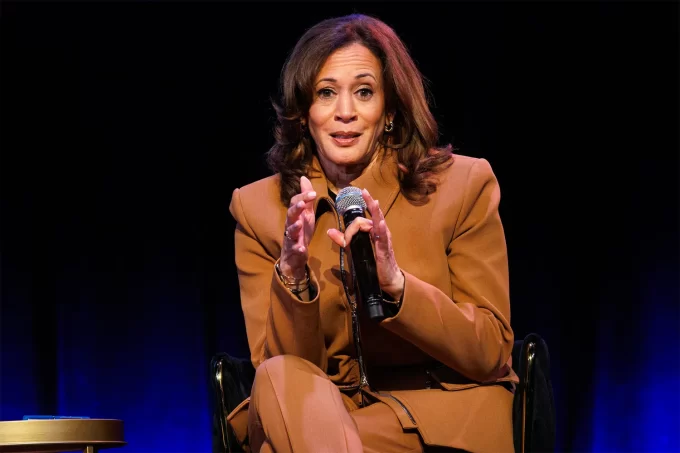
When “107 Days” Meets Outcry: Harris’s Book Tour Interrupted
The microphone crackled to life, and before Harris could finish her opening...
Chris Marks1 Mins read
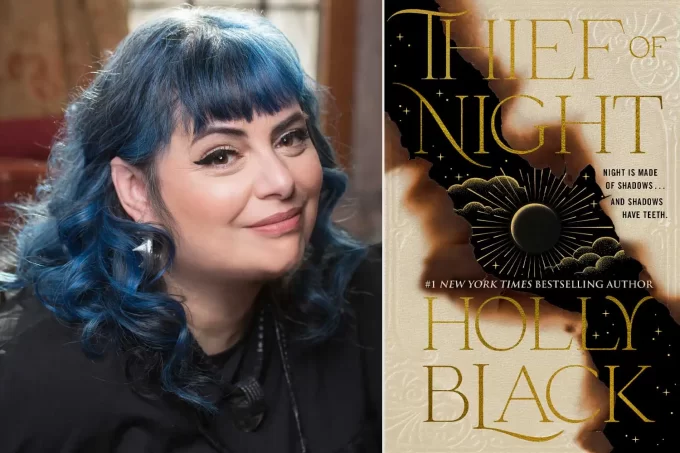
Whispers in the Shadows: Why Holly Black’s Sequel Is a Dark Invitation We Can’t Ignore
The night isn’t just dark—it’s ravenous, greedy, and it’s coming for you....
Chris Marks2 Mins read
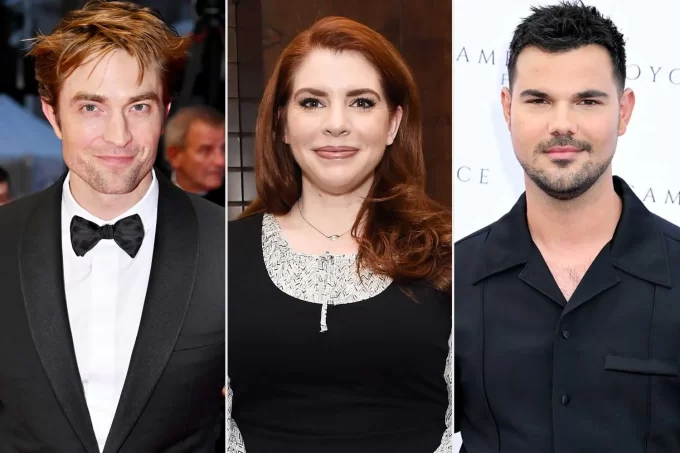
Why Stephenie Meyer’s Regret About Edward Changes Everything You Thought You Knew
The moment Stephenie Meyer admitted she wouldn’t pick Edward Cullen today, a...
Chris Marks2 Mins read
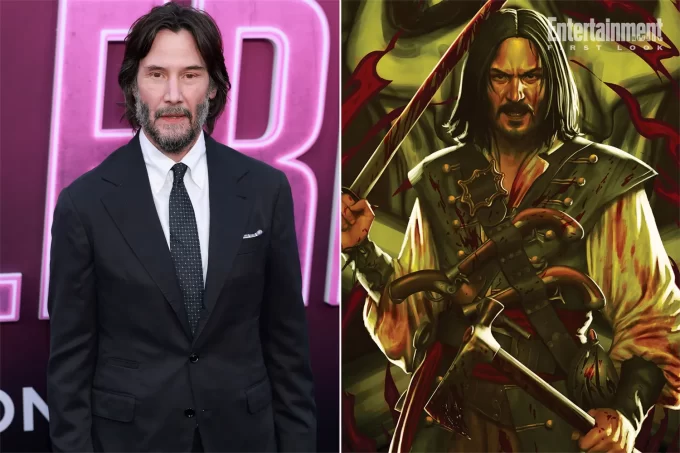
When Vampires Plunge: BRZRKR’s Blood‑Soaked Tide Pulls You In
There’s a heartbeat beneath the brine that doesn’t belong—agueing, alien, demanding. You’re...
Chris Marks2 Mins read




Leave a comment