

Tom Cruise’s On-Set Mic Drop: When Michael Cera Crossed the Line
While filming a 2010 MTV Movie Awards skit as Les Grossman, Tom Cruise stopped mid-take to scold Michael Cera for chatting—was it playful ribbing or a raw reminder of on-set discipline?
 Chris MarksJune 24, 20251 Mins read15
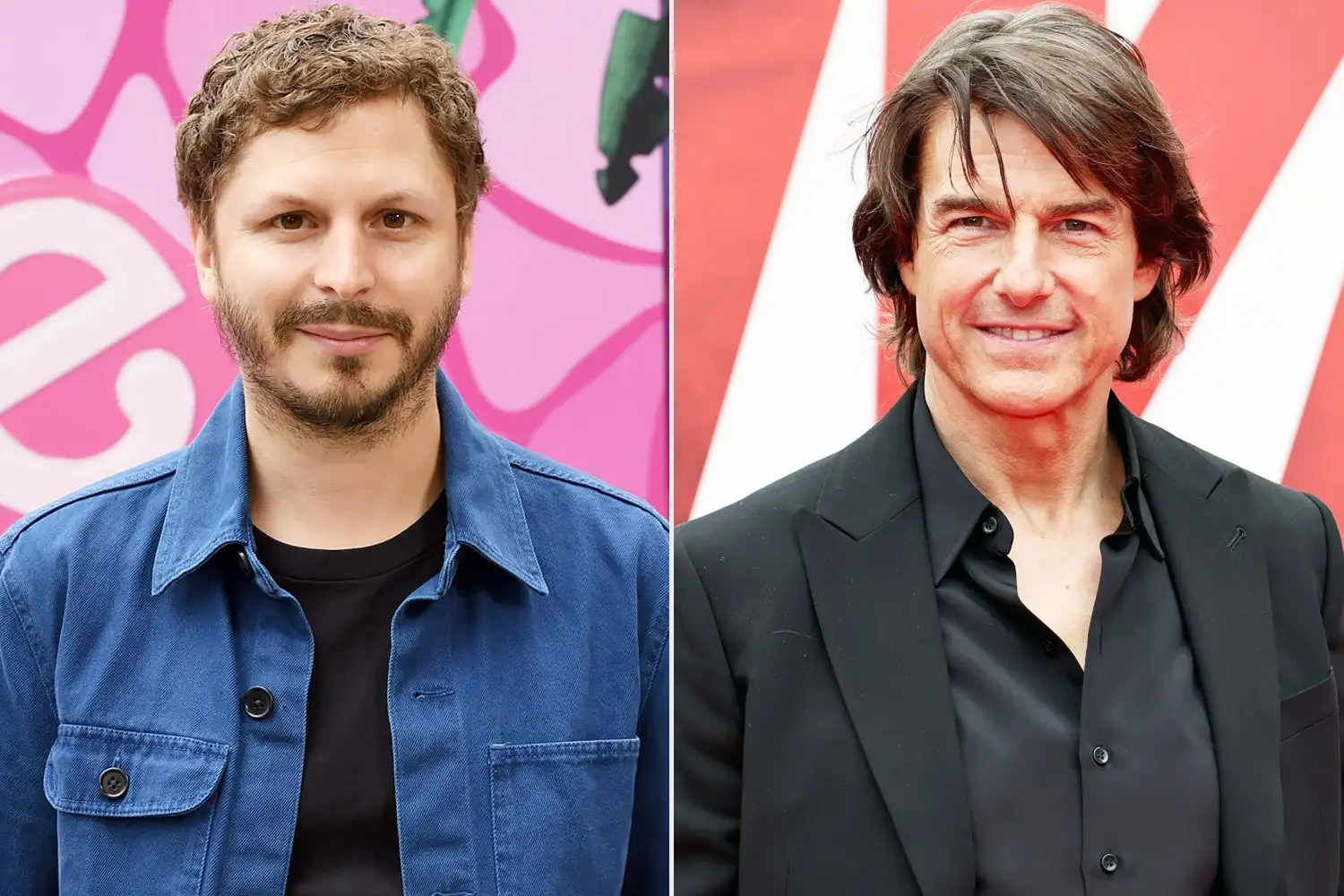
The camera rolls. Cruise, in full Les Grossman mode, rages. A whisper drifts across the set—too close for comfort. Cruise halts midsentence: “Is that Michael Cera talking during a f‑‑‑ing take?” It cuts through the air like a challenge, an informal rule reminder wrapped in a roar.
Michael Cera, normally the gentle everyman, froze—caught between apology and awe. He later called the moment “surreal,” describing Cruise as “very friendly” yet commanding, likening him to the first assistant director himself.
Authority in Character—and Set
Cruise wasn’t the actor, just Les Grossman. Yet he spoke with the authority of a commander. It was a teachable moment masked by humor—a public yet playful chastisement, later softened by banter when they properly met . It revealed that even on a whimsical MTV shoot, Cruise takes his craft—and the sanctity of a take—seriously.
It’s fascinating how authority can shift with character. Les Grossman’s fury bled into the set’s quiet code: don’t talk during takes. Cruise’s performances are magnetic—but here, his insistence on focus commands our attention more deeply.
Playful Power or Pressure?
Some will see a friendly tease between pros. Others spot a power dynamic in action: Cruise’s reputation precedes him. Cera, inexperienced and deferential, was reminded where he stood. When Cruise teases that he’d reprimand again on meeting, it feels like a handshake and a warning. Etiquette isn’t optional—even when wrapped in performance.
It makes one wonder: has polite conversation become a casualty of on-set discipline? And what does it mean when a lighthearted skit comes with heavy-handed control, even from the gentlest of giants?
That whispered scold lingered longer than any scripted line. When the set falls silent after a take, who truly commands the narrative—scripts, stars, or the unspoken rituals of power that shape every frame?






When Mercy Meets Tragedy: The Widow Who Forgave Her Husband’s Killer
The air thickens when forgiveness enters a room meant for grief. Imagine...
Chris Marks1 Mins read

When Fear Became a Lifeline: Pete Davidson’s Reckoning in Rehab
There’s a silence that follows a mother’s voice when she confesses her...
 Joseph Bennett1 Mins read
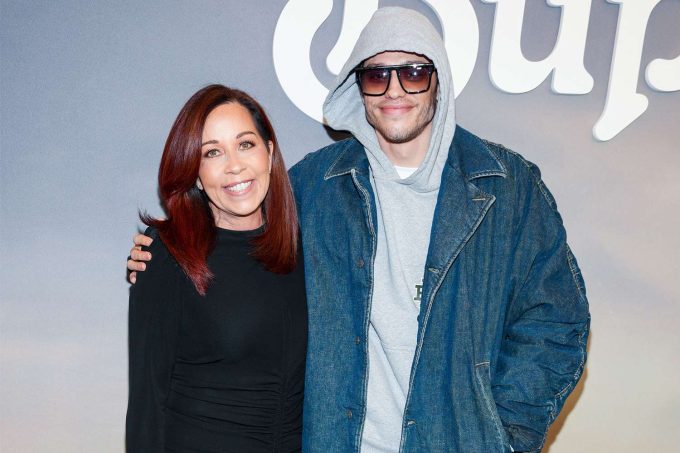
Pete Davidson’s mom told him in rehab worst fear was learning he died
Pete Davidson is opening up about the heartbreaking moment he had with...
Chris Marks2 Mins read

Katie Couric’s Unexpected Spin on Sydney Sweeney’s American Eagle Ad: What’s Really Being Said?
Katie Couric stepping into a scene dominated by Gen Z glamour feels...
 Krista Freeland2 Mins read





Leave a comment