

When the Sacred Meets the Stock Exchange: Why Even Priests Can’t Escape the Free Market
In a world ruled by commerce, even the most spiritual callings aren't immune. The clergy’s quiet dance with capitalism reveals a truth we’re reluctant to admit: the free market spares no one.
 Krista FreelandMarch 27, 20251 Mins read96
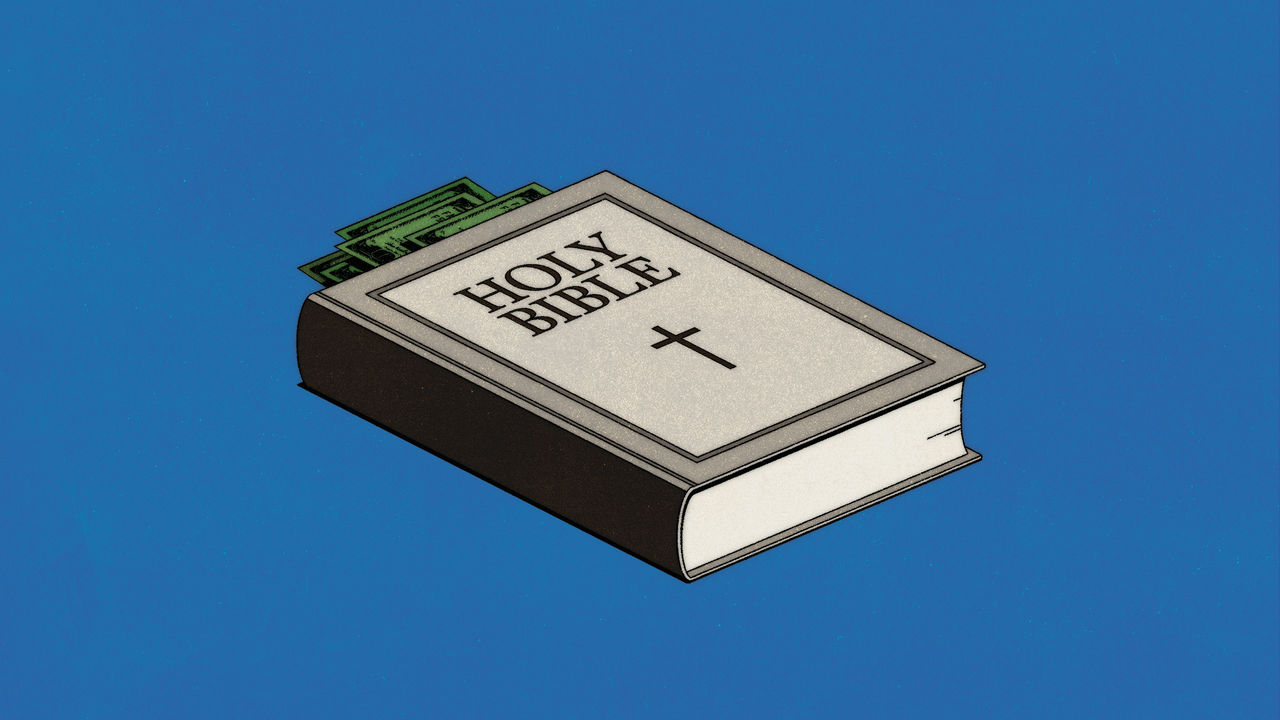
There’s something quietly unsettling about watching a priest swipe on Square, collecting donations with the same fluency as a café barista. But in 2025, the sacred and the secular no longer just coexist—they negotiate.
Religious institutions were never immune to the mechanisms of capital. Tithes, endowments, charitable write-offs—these are old economies in new clothing. But what’s changing now is speed. Urgency. Transparency. The priest isn’t just a shepherd of souls anymore. He’s a fundraiser, a social media manager, a logistics coordinator. God may be omnipotent, but rent is still due on the 1st.
Grace in a Paywalled World
Look closer, and the economics of faith begins to resemble a start-up pitch. Mega-churches livestream sermons with production budgets rivaling morning shows. Clergy learn SEO to boost their sermons on YouTube. Donations? Not in envelopes—now they’re crypto, Venmo, frictionless.
Even smaller congregations aren’t exempt. A local priest in the article confesses: “We’re not selling salvation, but we have to sell something—or we don’t survive.” So they adapt. Book sales, side businesses, branded retreats. The liturgy becomes lifestyle.
This isn’t greed—it’s adaptation. Religion, after all, is a product of its era. And in this one, attention is currency. So the question becomes: how do you serve God in a marketplace that demands branding?
The Holy Hustle
What emerges is a new kind of paradox: priests who must market authenticity. Churches that must monetize intimacy. Spiritual messages delivered through commercial channels—yet expected to remain untouched by the very mechanisms that deliver them.
It’s not hypocrisy. It’s survival. And maybe that’s the most revealing part: that in the modern economy, no ideology—however eternal—is exempt from financial gravity.
So what does it mean when the divine needs a revenue model? When even priests must learn to navigate margins and metrics?
It means the market doesn’t invade the sacred.
It absorbs it.







How Much Will Trump’s Policies Really Cost Wall Street?
When Donald Trump first took office, his policies were sold as a...
 Kirsten Collins2 Mins read

Milken 2025: The Party of the Rich, Amid a World Falling Apart
The night was electric in a way that only a private, star-studded...
 Joseph Bennett3 Mins read

Buffett, Cook, and the Quiet War for America’s Soul
There was a moment, barely a second long, when Warren Buffett’s smile...
Joseph Bennett3 Mins read
The Deception Behind the Deal: How Bait-and-Switch Pricing Is Shaping Our Desires
It’s the perfect price—a promise of a deal that seems too good...
Joseph Bennett3 Mins read





Leave a comment