

The Prospect Mirage
New No. 1 prospects have emerged post-draft and trade deadline—but are MLB teams building futures, or just selling hope in new packaging?
 Joseph BennettAugust 5, 20252 Mins read21
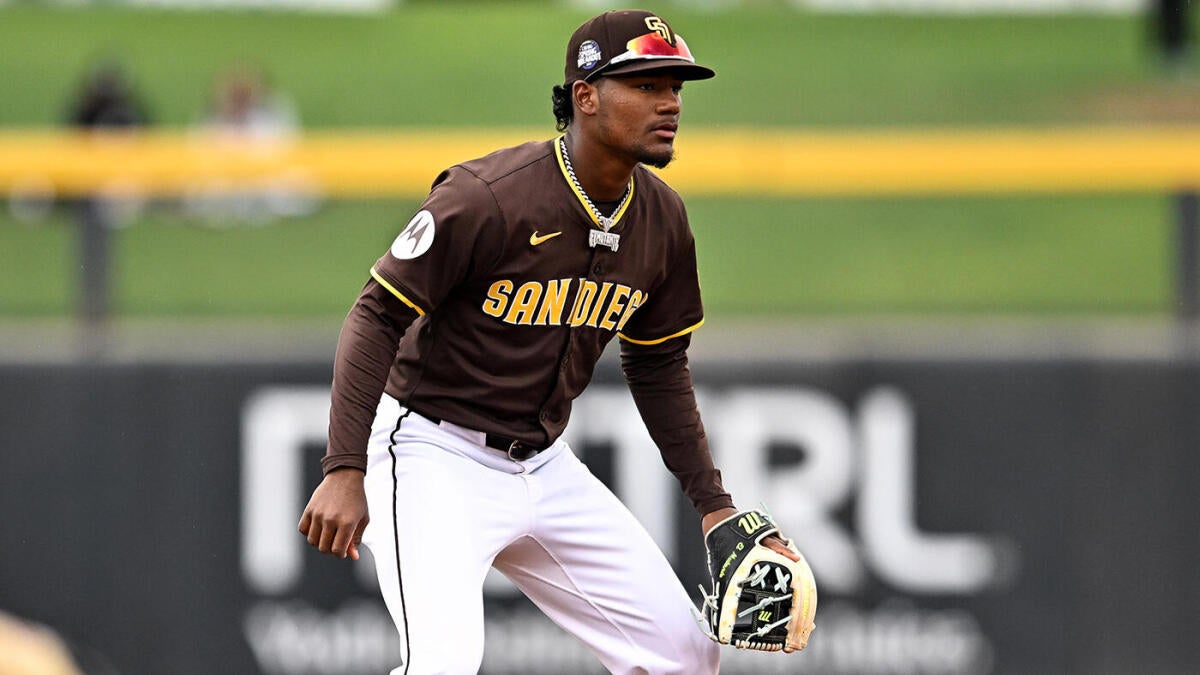
They haven’t played a Major League game. Some haven’t even signed their contracts. But their names are already whispered like spells in dugouts and data labs across the league. Welcome to baseball’s favorite illusion: the prospect era, where the currency isn’t talent, but possibility.
In the weeks after the 2025 MLB Draft and trade deadline, a curious shift occurred—teams that were struggling, splintering, or just plain stalled began crowning new No. 1 prospects like royalty on borrowed thrones. The Nationals, the Yankees, the A’s, and a half-dozen others now wave their next-gen stars in front of fans like a balm. But what does it say about the state of baseball when the most celebrated figures wear minor league caps and haven’t yet failed under the lights?
Hope Is Now a Front-Office Strategy
It used to be that prospects were promises. Now they are products. Quantified, ranked, and traded like blue-chip stocks. Jackson Holliday in Baltimore. Dylan Crews in Washington. Arjun Nimmala suddenly a future Yankee face. Every system has a new savior—and every franchise spins that savior like a marketing campaign.
But here’s the trick: the higher the ceiling, the harder the fall. Baseball’s history is littered with prospects who became punchlines. And yet, the cycle continues—because failure is less costly in projection than it is in payroll. “We believe in the long game,” one front-office source reportedly said. Of course they do. The long game delays accountability.
The Nationals’ system is now flush, the result of calculated pain. The Yankees, meanwhile, seem to be flirting with their first real identity crisis in decades: are they still the empire of now, or finally conceding to the patience of rebuild culture?
The Cult of the Untested
There’s something almost poetic—and deeply American—about this obsession with youth. It feeds on nostalgia and prediction, a fantasy that purity and potential matter more than experience or scars. We love them more before we know them.
This year’s trade deadline didn’t just reshuffle rosters; it signaled a philosophical turn. Even contenders cashed in pieces of the present for players born after The Office ended. It’s as if Major League Baseball has decided to sell the future like a subscription service. Just wait—next season. Just wait—next phenom. Just wait.
But baseball is not a wait-and-see sport. It is built on ritual, not roulette. It asks its players to fail publicly and repeatedly, to adapt, to evolve. And the longer a prospect is protected from that brutality, the more fragile the myth becomes.
The question is not whether these No. 1s are talented. They are. The question is what we’ve done with that talent before it even arrives. In turning players into messiahs, have we condemned them to live in the shadow of our fantasies?
—
Somewhere in Scranton or Norfolk or Biloxi, a teenager is fielding fly balls under fluorescent lights, unaware that a billion-dollar franchise has hung its legacy on the arc of his swing.
He may make it. He may not. But he’s already famous for what he might become.
And in baseball, as in life, there’s nothing more fragile than a future still being sold.





Barcelona’s Fragile Pursuit: When Injuries Threaten More Than Just a Season
A silence spreads over Camp Nou that no roar can drown out—two...
 Chris Marks2 Mins read
William Saliba: Arsenal’s Silent Architect or Its Greatest Gamble?
The air inside the Emirates shifts with unspoken tension—William Saliba, once a...
Joseph Bennett2 Mins read
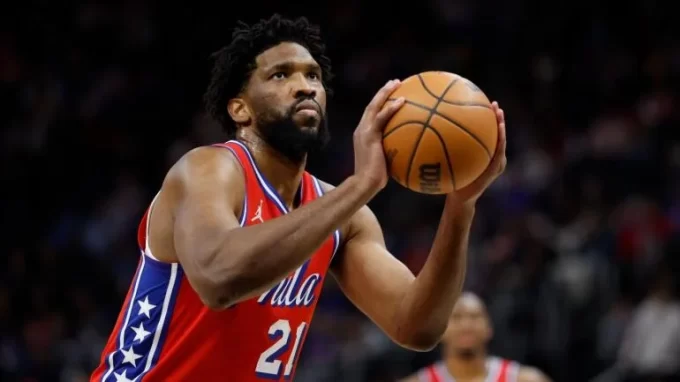
Joel Embiid’s Quiet Confidence: Is the 76ers’ Giant Ready to Rewrite His Story?
Joel Embiid is rarely one to make noise without purpose, and now,...
 Kirsten Collins1 Mins read
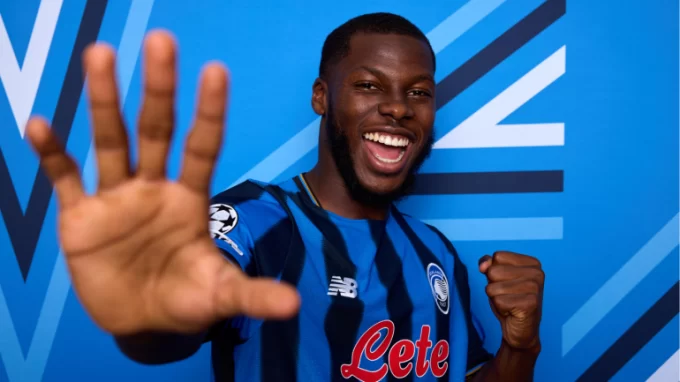
Juventus, Atalanta, and Arsenal’s Quiet Revolution: What’s Really Shaping This Week in Football?
The roar of Serie A stadiums masks a subtle shift, one that...
Kirsten Collins2 Mins read





Leave a comment