

Whispers in the Wildfire: Who Gets to Breathe?
Climate change isn’t coming—it’s already under your skin. But if health is the canary in the coal mine, why are we still pretending the mine is just a metaphor?
 Kirsten CollinsFebruary 11, 20252 Mins read115

The room was hot—not with weather, but with warning. Scientists, doctors, and Indigenous elders gathered beneath high conference ceilings in Alberta, not to draft yet another paper, but to say something no one else dared: the climate isn’t just killing the planet—it’s killing us. And we still don’t believe it.
What happens when the evidence is inhaled but not seen? When your asthma spikes but the weather report only tells you it’s sunny with a haze of denial? We’ve been taught to look at climate change like a glacier melting somewhere far off, a tragedy too slow to touch us. But it’s not slow anymore. And it’s not far. The wildfire smoke drifting across provinces, the unbearable summer heat that pushes ERs into triage mode—this is the new fever. The body has become climate’s diary, and it’s writing in red ink.
The Diagnosis We Don’t Want
A nurse in Yellowknife said it plainly: “We’re treating symptoms, but nobody’s talking about the cause.” The cause, of course, is climate neglect masquerading as policy. But there’s something deeper, almost sinister, in how we’ve emotionally dissociated from the crisis. Health is intimate. It bleeds into every part of our lives. Yet the climate conversation still feels sterile, mechanical—devoid of the raw human impact.
At the Alberta Summit, the message was clear. Climate and health are not two lanes—they are the same road. But you wouldn’t know it from the way governments keep treating them like parallel tracks. Why? Perhaps because when you say “climate,” people think of trees and carbon. Say “health,” and they start seeing themselves.
Air You Can’t Afford
Here’s the uncomfortable truth: not everyone gets to breathe the same air. Not metaphorically—literally. Indigenous communities across Canada, already burdened by colonization’s residue, are now frontline witnesses to a second wave of destruction. The land they once used to heal is scorched, the water undrinkable, the air bitter with smoke. These are not ecological tragedies. These are public health crises—quiet, deadly, and entirely preventable.
If health had been at the heart of climate action from the beginning, would we be here? Would our hospitals be scrambling for disaster protocols during summer months that feel apocalyptic? Would our kids be learning indoors for weeks because the outside air has become a toxic fog? These aren’t hypothetical futures. They’re headlines waiting to repeat.
But then again, maybe that’s the problem. We’ve mistaken headlines for progress, and symptoms for stories.
The fire doesn’t just burn forests. It burns illusions. That we can solve this crisis in pieces. That the body will forgive the air. That we have time.
The question isn’t what climate change is doing to the Earth. The question is what it’s already done to you.
- Alberta climate summit
- Canada
- Canada climate response
- Canadians
- climate action policy
- climate change and health
- environmental health crisis
- health effects of climate change
- illnesses
- Indigenous climate justice
- leading
- Protecting
- public health and environment
- Salmonella
- WHO climate and health
- wildfire smoke and health





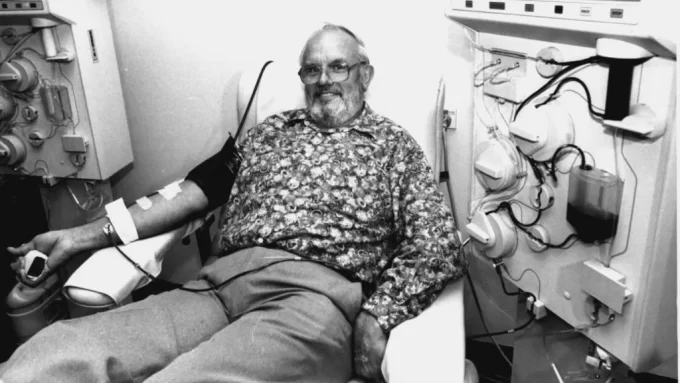
The Man Who Bled for Millions
He saved over 2.5 million babies, but no one ever recognized him...
Kirsten Collins2 Mins read
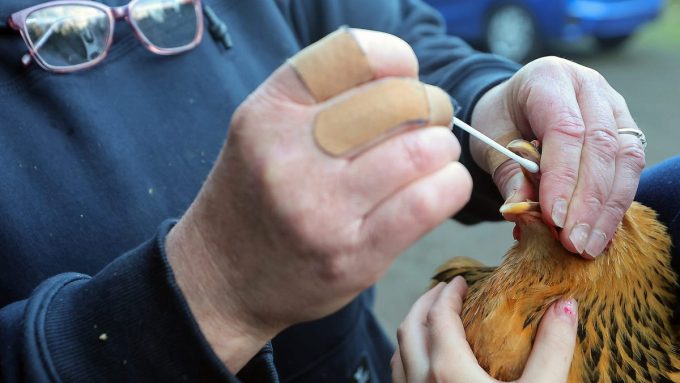
The Silence Before the Sneeze
A dead bird, limp on the edge of a sidewalk in Guangdong,...
Kirsten Collins2 Mins read
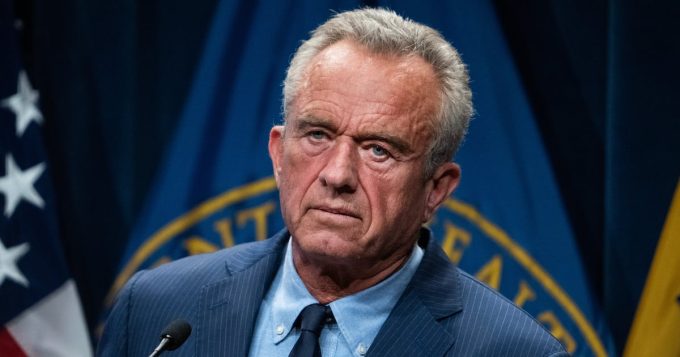
The Fetishization of Fear: RFK Jr. and the Vaccine Fetuses Lie
It begins, as these things always do, with a whisper dressed as...
Kirsten Collins2 Mins read
The Lie That Keeps Mutating
The seduction of scandal is ancient, but its latest host is disturbingly...
Kirsten Collins2 Mins read




Leave a comment