

Sydney Sweeney, Blue Jeans, and the Red State Mirage
A pair of denim shorts, a blonde bombshell, and the full wrath of American political anxiety—what Sydney Sweeney wore may have mattered less than what we needed her to mean.
 Joseph BennettJuly 31, 20252 Mins read18
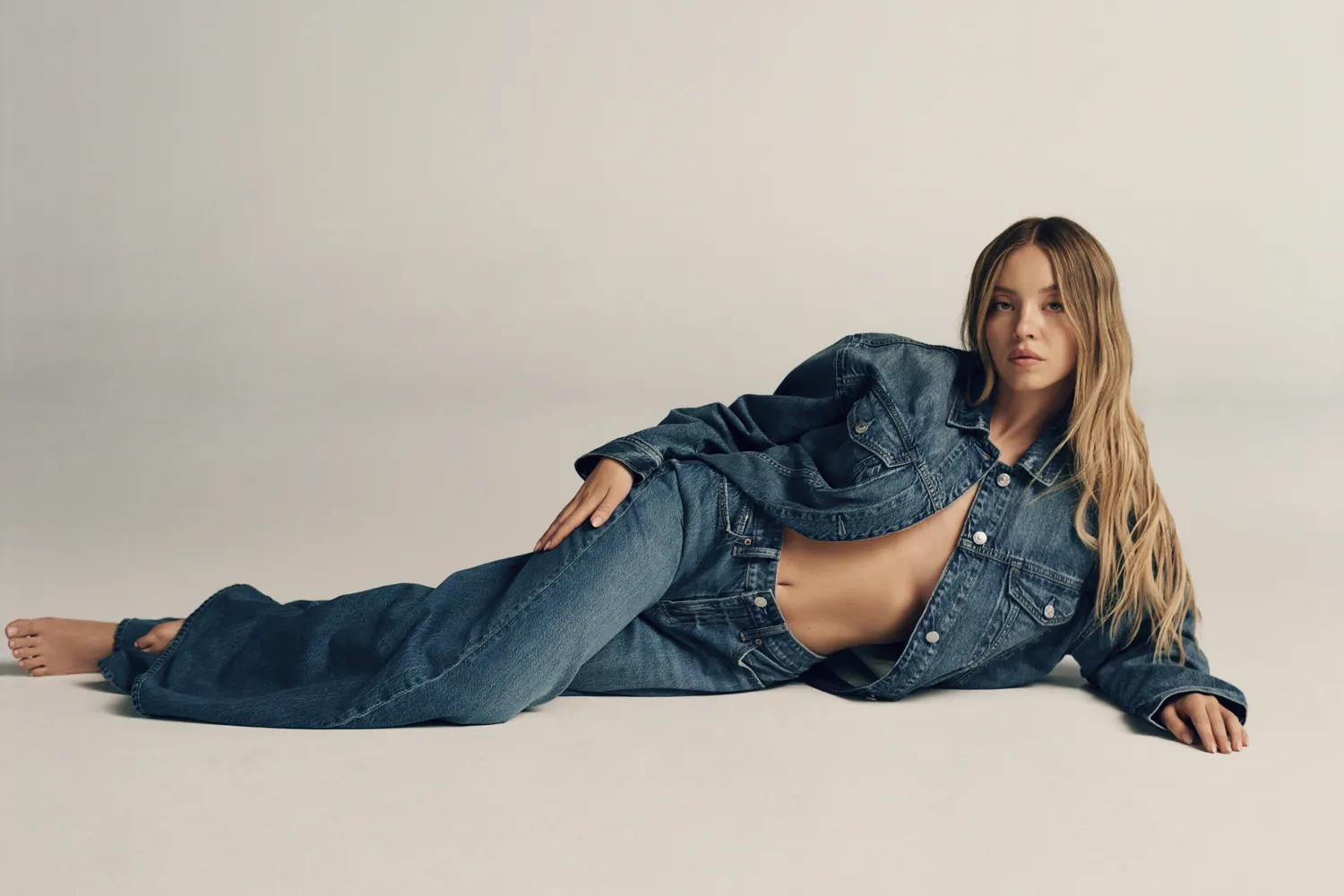
She stands in sun-bleached denim, hands on hips, backlit like a 1980s Marlboro dream. Sydney Sweeney, that alabaster American archetype, stares into the camera like she owns the flag fluttering just behind her. And in a sense, she does. Or at least, that’s what the outrage machine decided.
The ad, shot for American Eagle, should’ve been another forgettable summer campaign: tousled hair, a pickup truck, maybe a stray dog named Liberty somewhere off-camera. But the political Rorschach test it triggered suggests something far deeper than hemline hysteria. Within hours, conservatives were calling her a silent heroine of “real America,” while progressives launched accusations of dog-whistle patriotism. It wasn’t the shorts. It was the symbol—and who people believed she was wearing it for.
The Myth of Blonde Neutrality
We once pretended pop culture was a neutral zone—a place where tight jeans were just that, and not a battleground for cultural identity. But Sweeney, knowingly or not, stepped straight into a minefield of modern projection. When the White House press team intervened with sharp rebuke—“This is why people voted for Trump”—it stopped being about a brand and became a referendum on how fame itself now functions.
Who do we see when we see her? A rising starlet playing coquette in cutoffs? Or a cipher for America’s fractured values? The tension is what makes it art, or advertising, or both. “She looks like she stepped out of a John Cougar Mellencamp song,” someone tweeted, both admiring and uneasy. And maybe that’s the point. When the American dream becomes a moodboard, everyone’s fighting to edit the captions.
When Aesthetic Becomes Allegiance
In the war between image and intent, there are no longer sidelines. A white tank top means purity or oppression, depending on the feed. A flag behind a young woman is either empowerment or propaganda. The pop star doesn’t have to speak; the photo does the shouting for her.
Sweeney herself has remained mostly silent, letting the denim speak. Which, in 2025, is perhaps the smartest form of commentary: say nothing, and become everything. The machine of outrage needs an icon, and she fits the mold too well—blonde, symmetrical, ambiguously American. To deny the symbolism would be naïve. To overstate it would be theatrical. But either way, the gaze remains fixed.
And that may be the problem. Or the plan. Or the prophecy.
If a girl in blue jeans can still ignite a culture war, what does that say about the culture—or the war? Perhaps the American flag isn’t the costume. Perhaps we are.




When Mercy Meets Tragedy: The Widow Who Forgave Her Husband’s Killer
The air thickens when forgiveness enters a room meant for grief. Imagine...
 Chris Marks1 Mins read
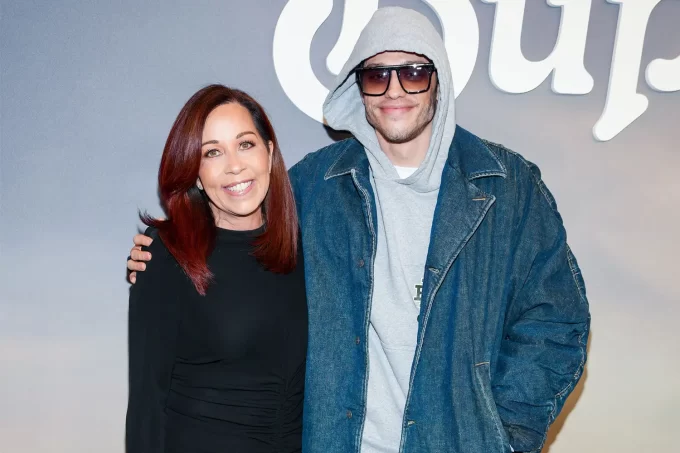
When Fear Became a Lifeline: Pete Davidson’s Reckoning in Rehab
There’s a silence that follows a mother’s voice when she confesses her...
Joseph Bennett1 Mins read
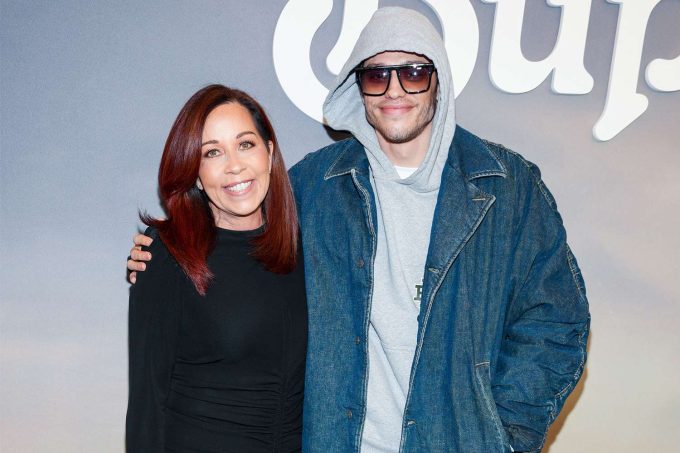
Pete Davidson’s mom told him in rehab worst fear was learning he died
Pete Davidson is opening up about the heartbreaking moment he had with...
Chris Marks2 Mins read

Katie Couric’s Unexpected Spin on Sydney Sweeney’s American Eagle Ad: What’s Really Being Said?
Katie Couric stepping into a scene dominated by Gen Z glamour feels...
 Krista Freeland2 Mins read





Leave a comment