

The Karl-Anthony Towns Trade: Who Actually Came Out on Top?
When the dust settles on the Karl-Anthony Towns trade, will the Knicks or the Timberwolves truly reap the benefits? We dive deep into the shifting power dynamics, questioning the true cost of winning a blockbuster deal.
 Krista FreelandMay 21, 20252 Mins read31
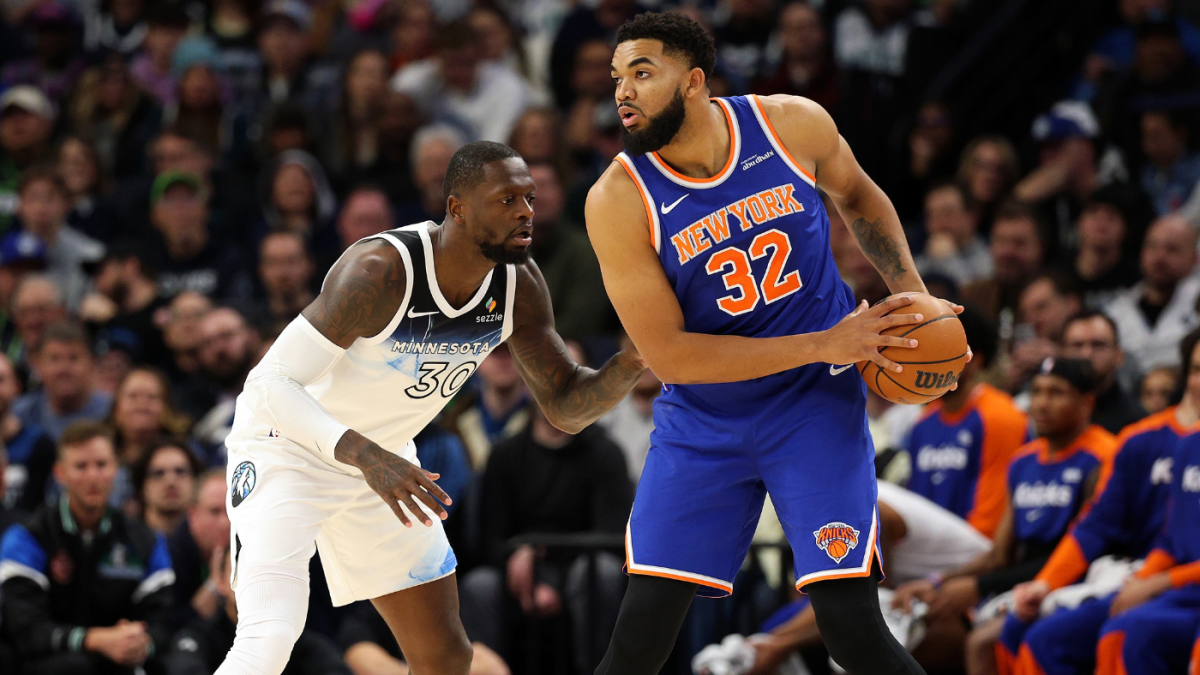
There’s no such thing as a perfect trade—only the illusion of one. As Karl-Anthony Towns bounces between the high expectations and biting criticisms, both the Knicks and the Timberwolves are left playing the long game. But who is truly winning? We look beyond the surface stats and spotlight the quiet, unspoken implications that could shape the future of both franchises in ways no one predicted.
The trade that sent Towns to New York felt like an instant victory for the Knicks, a dazzling addition to a roster already teeming with potential. But as the ball bounces in the shadow of Madison Square Garden, it’s impossible to ignore the undercurrent of unease. Towns’ departure from Minnesota wasn’t simply a matter of shipping out an all-star—it was the removal of the last piece that could have held their inconsistent chemistry together. Was it really just about a fresh start, or was this a calculated move to strip away a distraction?
The Unraveling Puzzle of the Timberwolves
Minnesota now has a new identity, a team that feels less “built for the future” and more “on the brink of a reinvention.” But what does this reinvention truly mean? In exchange for Towns, the Timberwolves landed a combination of younger, more malleable assets. Yet, as the team scrambles for pieces to plug into a puzzle with no clear picture, one can’t help but ask: Was it worth sacrificing a core player whose ceiling has always felt so tantalizingly close? And as Minnesota claws its way into the 2025 playoffs, we may find that Towns’ absence isn’t the issue—it’s the absence of vision that truly haunts them.
Towns: The Enigma That Still Stirs the NBA’s Pot
The real question remains: Can Karl-Anthony Towns finally break free of the label of “underachiever”? New York’s spotlight may give him the stage he’s been craving, but will he finally justify his worth when the games truly matter? As the Knicks roll through the regular season, Towns remains both a tantalizing mystery and a potential liability—a player with too much talent to fail, but with the kind of streakiness that could sink the team at the worst possible moment.
Yet, when you sit back and think about it, the entire trade may have been less about the players involved and more about the shift in perception—the undercurrent of a power play within the Eastern Conference. The Knicks needed a piece that screamed relevance in a way that Julius Randle never could. Meanwhile, Minnesota simply needed to stop pretending that Towns was its cornerstone. The deal was a delicate dance of ego, ambition, and the desperate hope of a brighter tomorrow.
A Winner Who Isn’t a Winner… Yet?
Ultimately, the answer isn’t as simple as declaring one side victorious. The trade’s aftermath is a mosaic still being assembled, with pieces constantly shifting. While it’s easy to look at the Knicks’ roster and salivate over the idea of a fully-loaded playoff contender, they’re facing the same old dilemma: Can they finally make it all gel when the lights shine brightest?
Perhaps, then, the most unsettling question is whether either team truly “won” or if the real story here is the long, painful process of finding what each franchise lost along the way.
At the end of it all, the real winners might not be the ones who appear on paper—it might be the ones who aren’t afraid to ask the most difficult questions. And as we sit back and watch, we can only wonder: When the smoke clears, will we even remember this trade… or will we simply be left with the echoes of what could have been?





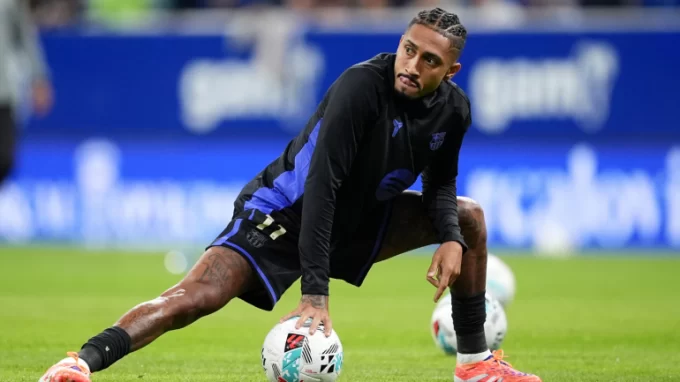
Barcelona’s Fragile Pursuit: When Injuries Threaten More Than Just a Season
A silence spreads over Camp Nou that no roar can drown out—two...
 Chris Marks2 Mins read
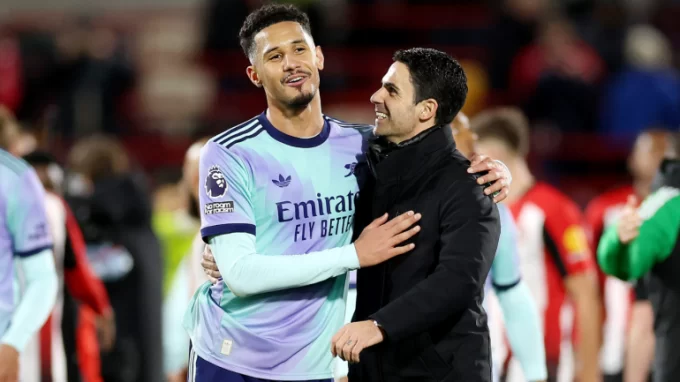
William Saliba: Arsenal’s Silent Architect or Its Greatest Gamble?
The air inside the Emirates shifts with unspoken tension—William Saliba, once a...
 Joseph Bennett2 Mins read
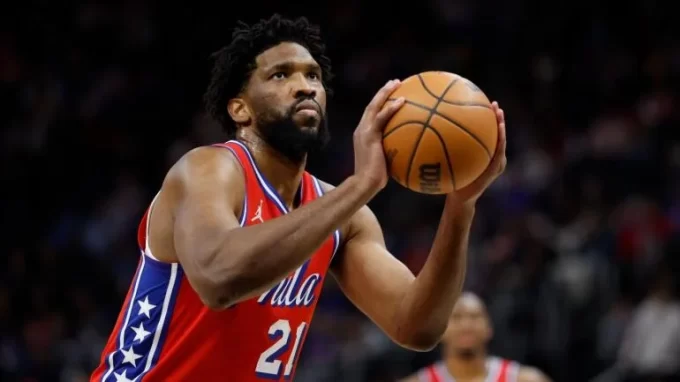
Joel Embiid’s Quiet Confidence: Is the 76ers’ Giant Ready to Rewrite His Story?
Joel Embiid is rarely one to make noise without purpose, and now,...
 Kirsten Collins1 Mins read
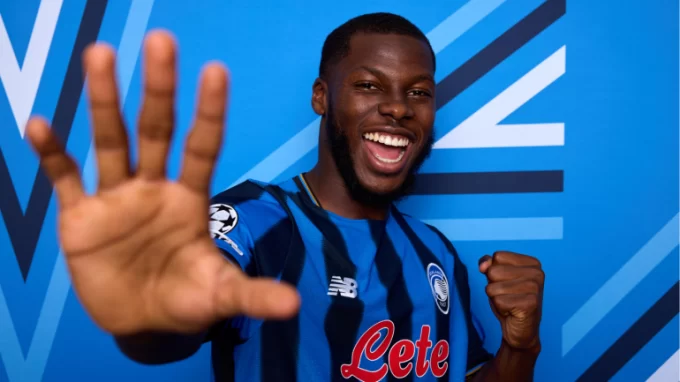
Juventus, Atalanta, and Arsenal’s Quiet Revolution: What’s Really Shaping This Week in Football?
The roar of Serie A stadiums masks a subtle shift, one that...
Kirsten Collins2 Mins read





Leave a comment