

The Ghosts Behind the Running Pose: How a Photo’s Shadow Shapes Our Weaponized Childhood
A haunting running pose, etched in history by a Vietnamese girl fleeing napalm, now inspires modern images of armed youth—forcing us to confront what innocence truly means in the age of violence.
 Chris MarksJuly 16, 20252 Mins read21
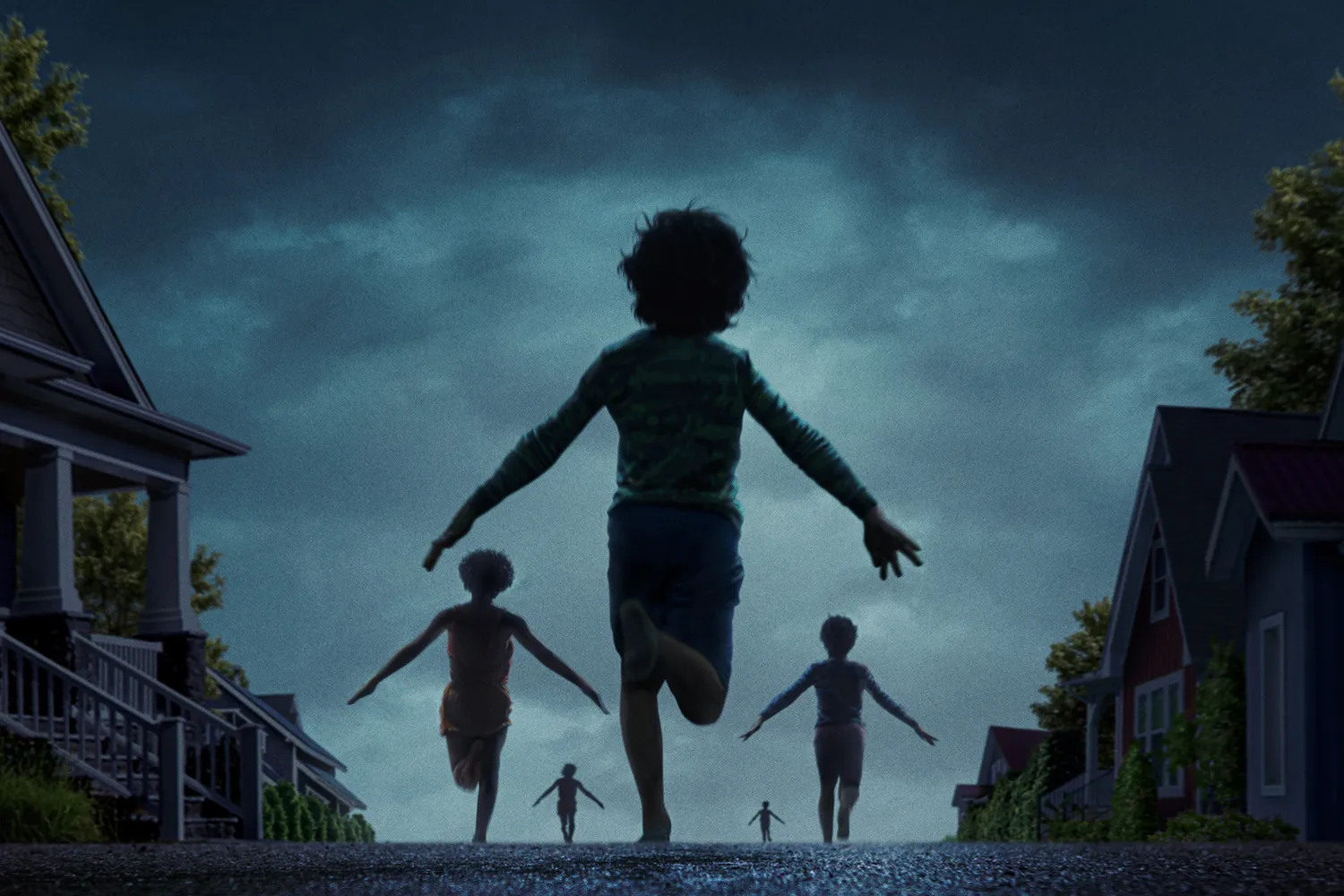
The moment a child runs through fire, her face twisted by pain and terror, became a symbol that transcended war itself. Yet today, that iconic image—etched deep in the world’s memory—reverberates in unexpected ways: in the stiff-armed, weapons-clutched silhouettes of kids in far-flung conflicts and viral videos. How did a photo meant to expose horror morph into a pose repeated by children carrying instruments of death?
It’s a paradox that unsettles the soul. The original image, taken by Nick Ut in 1972, forced the world to confront the brutality of napalm. But the running pose—arms flailing, mouth open, legs flying—has been abstracted from its agonizing context, now oddly mimicked by children wielding rifles or knives. What does this say about how trauma, innocence, and violence intertwine in our global imagination?
When Innocence Becomes a Weapon
The photograph’s power lies not just in the flames or the chaos, but in the vulnerability it captures: a child’s raw, unfiltered flight from unspeakable horror. Yet as this pose reappears, detached and reimagined, it distorts. What was once a silent scream against war’s cruelty becomes a visual shorthand for something else—power, defiance, even recruitment.
As one expert put it, “The pose is a universal language now, but one twisted by modern conflict.” It is haunting to see children adopt this posture, a symbol of escape, now brandishing weapons—an eerie inversion of meaning. The innocence is weaponized, wrapped in the paradox of vulnerability and aggression.
The Burden of the Frame
Photography, after all, freezes a moment, but history reshapes its meaning. This running pose, once a silent cry for help, has become a cultural motif—on murals, protests, even fashion. Yet its new life raises urgent questions: Are we desensitized? Or are we, unknowingly, scripting a tragic repetition, where images meant to expose pain now dress it in militancy?
The image’s transformation is a reminder that symbols evolve, sometimes dangerously so. What responsibility do we bear for how these echoes reverberate? The running child no longer flees napalm alone—she runs through a world replete with new, invisible flames.
We began with a photograph frozen in time—a child’s desperate sprint from death. But as this pose shadows new generations of armed children, we must ask: are these children running from history, or toward an endless cycle we dare not fully see? The running pose lingers, a question wrapped in motion, and it refuses to let us look away.





What Happened Between Them? – Hollywood Life
View gallery Image Credit: WireImage Hilary Duff and Haylie Duff were once...
 Kirsten Collins2 Mins read
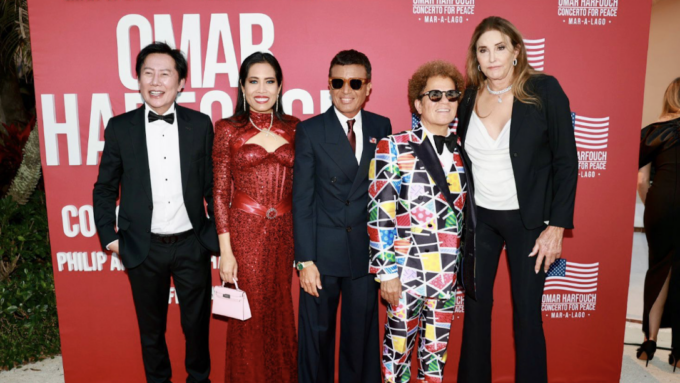
Pianist Omar Harfouch Brings Celebrated Figures Together for a Night of Cultural Exchange – Hollywood Life
Image Credit: Omar Harfouch On February 20, 2026, pianist and cultural figure...
Kirsten Collins2 Mins read
Who Is Ivana Lisette Ortiz? About the Rihanna Home Shooting Suspect – Hollywood Life
Image Credit: WWD via Getty Images The suspect in the March 8,...
Kirsten Collins1 Mins read

What Channel Are the Academy Awards On? – Hollywood Life
Image Credit: AFP via Getty Images The 2026 Academy Awards will bring...
Kirsten Collins1 Mins read





Leave a comment