

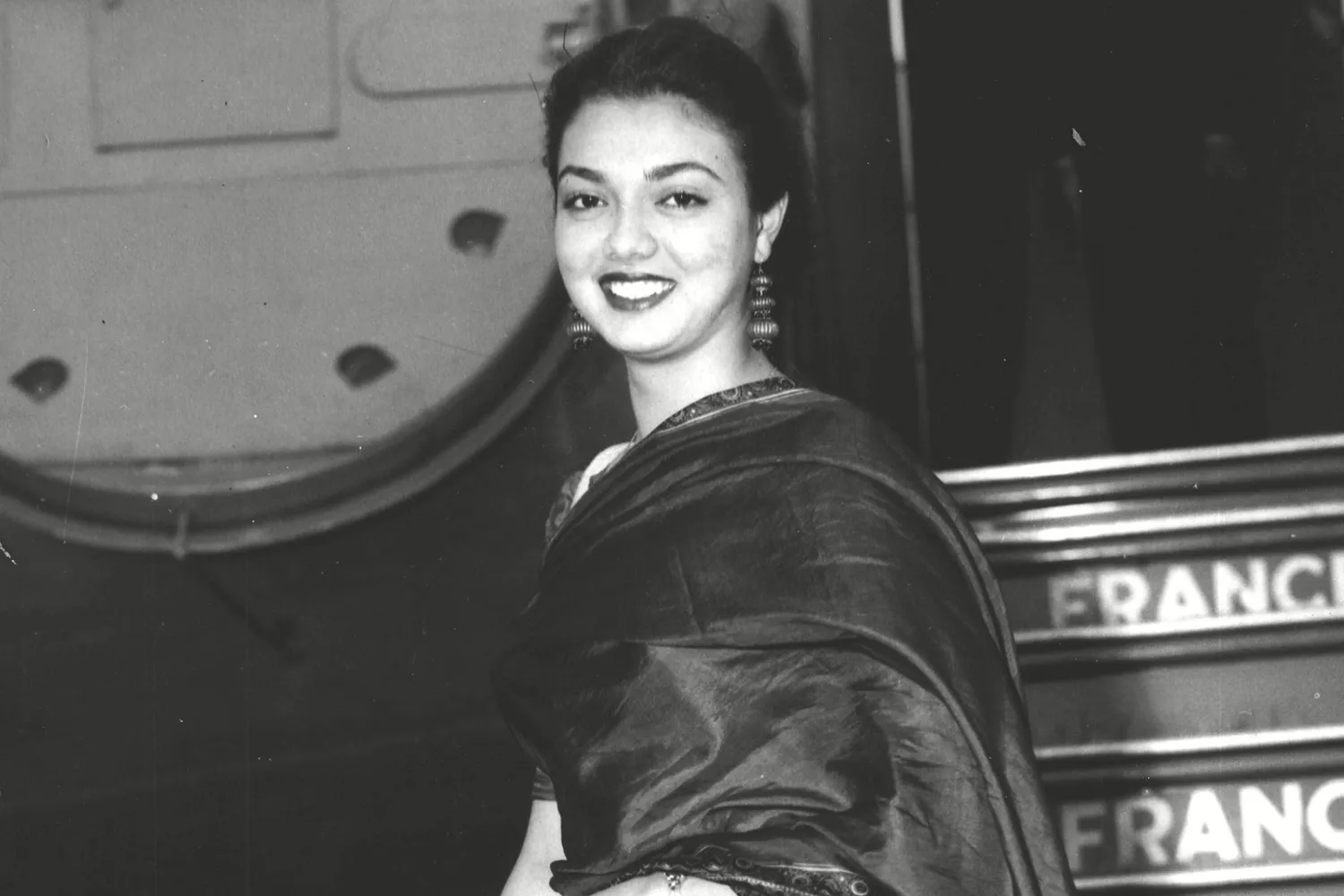
She Was Ceylon’s Queen — Then Disappeared Into Hollywood’s Shadows
From Miss Ceylon to a fleeting role in The King and I, Maureen Hingert’s life reads like a faded Hollywood script—but the real story is buried between the frames.
 Chris MarksJuly 3, 20252 Mins read15
Bold, immersive opening:
She stepped off the Miss Universe stage in 1955—long, obsidian hair glistening under the California lights—and became an icon for a little-known island, Ceylon, before vanishing behind Hollywood’s towering backlots.
Her early trajectory feels inevitable: at nineteen, Maureen Hingert, soon to be Jai—a name she’d borrow as Jana Davi—walked into Universal’s lobby clutching a contract. Born in Colombo to Dutch‑Burgher tea‑estate aristocracy, she had attended convent school, spoke five languages, and learned Sinhalese dance in the same breath. In a few short years, she’d shimmer beside Elizabeth Taylor and Yul Brynner—but never quite captured the spotlight. Why?
A polished mirage in Hollywood
A fleeting moment in The King and I (1956) placed her amid Oscar buzz—but credited roles were scant. Eleven acting turns between Westerns and pageants felt both triumph and toll. “It was a beautiful and peaceful passing,” her daughter Marisa whispered of her death from liver failure in Los Angeles on June 30, 2025. But the heartbeat of Hingert’s story pulses in the spaces she refused to occupy: the roles not offered, the fuller identity never captured.
Two stylish headings:
The Price of Exoticism
Hollywood’s golden age packaged Hingert as an exotic accessory—rarely as a star. Acting as women of mystery, Native Americans, or royal wives, she rarely spoke. Yet her presence disrupted the monochrome norm. She danced for packed LA halls, performed in Shrine Auditorium recitals—a brief reclamation of heritage amid Western pastures . Was she ever allowed to truly be more than a silhouette on a marquee?
A Life Beyond the Frame
In 1958, she married Mario Armond Zamparelli, the designer behind Howard Hughes’s empire. They had three daughters; two died prematurely (Andrea, 2009; Gina, 2018). She remarried in 1976, but the screen had long dimmed. Wiki reminds us she studied nursing and languages before LA, yet ended her career early to raise a family. Her legacy — is it a Hollywood cameo or a silent triumph over what the system demanded?
Her death was handled “beautifully,” according to daughter Marisa. But what remains: a woman bridging cultures, speaking softly but leaving a question behind: what stories did she tell when she stood off-camera? When did the colonial darling become a mother grieving daughters and reinventing herself?
She was never just a supporting role. And yet, how many new viewers will uncover her name in the credits of Elephant Walk or Gunmen from Laredo, puzzled by who that mysterious Sri Lankan dancer was?
Final whisper:
She floated between worlds—and between pages of history. Isn’t it peculiar what remains unseen when we cut the film?





When Mercy Meets Tragedy: The Widow Who Forgave Her Husband’s Killer
The air thickens when forgiveness enters a room meant for grief. Imagine...
Chris Marks1 Mins read

When Fear Became a Lifeline: Pete Davidson’s Reckoning in Rehab
There’s a silence that follows a mother’s voice when she confesses her...
 Joseph Bennett1 Mins read

Pete Davidson’s mom told him in rehab worst fear was learning he died
Pete Davidson is opening up about the heartbreaking moment he had with...
Chris Marks2 Mins read
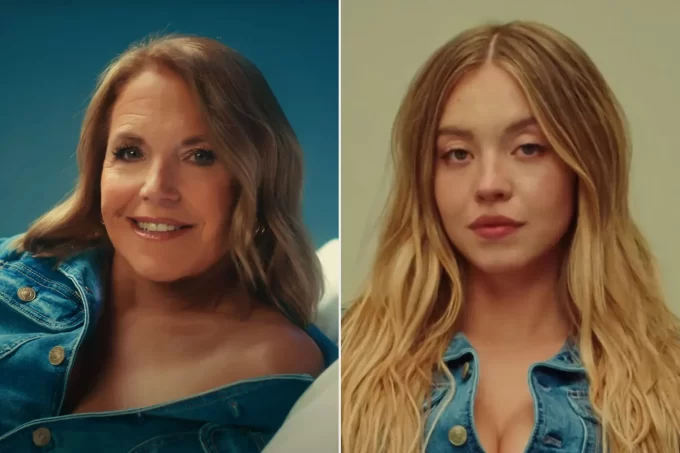
Katie Couric’s Unexpected Spin on Sydney Sweeney’s American Eagle Ad: What’s Really Being Said?
Katie Couric stepping into a scene dominated by Gen Z glamour feels...
 Krista Freeland2 Mins read




Leave a comment