

Why Nara Smith Won’t Be Your “Trad Wife” — And What That Really Means
Nara Smith’s rejection of the “trad wife” label isn’t just a personal boundary—it’s a subtle revolt against a cultural shorthand that tries to define marriage with a single, worn-out phrase. But what does her refusal reveal about modern relationships and the stories we tell ourselves?
 Chris MarksJuly 10, 20252 Mins read13
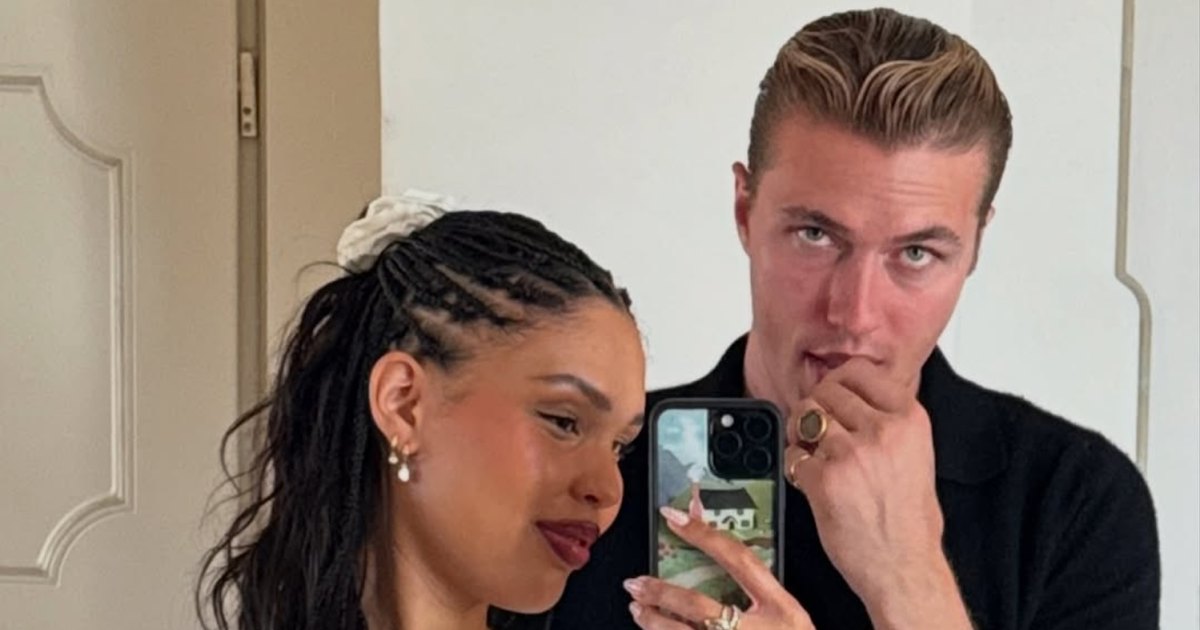
A woman can cook, care, and cradle—but still refuse a label crafted to cage her. Nara Smith’s marriage looks like a quiet rebellion, a refusal to be boxed in by a phrase that feels both ancient and oddly new: “trad wife.” The moment she steps outside this label, it isn’t just semantics—it’s a challenge to the very architecture of expectations that still haunt modern partnerships.
Labels offer clarity, but often at a cost. Nara’s insistence that she is not a “trad wife” cracks open a deeper question—what happens when identity refuses simplicity? When a marriage is neither a throwback nor a cliché, but something unclassifiable? This is not just about one woman’s stance; it’s about the tension simmering beneath cultural narratives of marriage and gender.
When Tradition Meets Its Shadow
The “trad wife” idea is seductive in its promise of order, but it’s also a trapdoor to stereotypes. Nara’s refusal is not a denial of tradition’s comforts but a refusal to let tradition become shorthand for submission. “It’s more complicated than the label,” she says, hinting at the nuanced choreography behind every partnership. What does it mean to honor roles without becoming a caricature?
This tension between embracing and rejecting tradition is quietly revolutionary. It forces us to ask: are we truly free in our roles, or merely repeating scripts penned long ago? Nara’s stance invites us to look closer at the fissures beneath the polished surfaces of cultural norms.
Marriage as a Canvas, Not a Costume
Labels suggest fixed costumes for roles, but Nara’s marriage seems painted in brushstrokes that defy easy categorization. Her story whispers that love and partnership can be fluid, messy, and resistant to neat definitions. “I want people to see my marriage without the filter of a label,” she says. But can we ever fully escape the shorthand we rely on?
The power in Nara’s rejection lies not in denial but in nuance. It’s a reminder that identity is not a static badge but a living conversation—one that evolves as we do. As culture continues to wrestle with what it means to be a partner, a spouse, a “wife,” Nara’s quiet defiance echoes: some stories refuse to be told in clichés.
Perhaps the most provocative question of all is whether the labels we cling to imprison us more than they protect. And if so, what does true freedom in love look like when no word fits quite right?







When Mercy Meets Tragedy: The Widow Who Forgave Her Husband’s Killer
The air thickens when forgiveness enters a room meant for grief. Imagine...
Chris Marks1 Mins read

When Fear Became a Lifeline: Pete Davidson’s Reckoning in Rehab
There’s a silence that follows a mother’s voice when she confesses her...
 Joseph Bennett1 Mins read

Pete Davidson’s mom told him in rehab worst fear was learning he died
Pete Davidson is opening up about the heartbreaking moment he had with...
Chris Marks2 Mins read

Katie Couric’s Unexpected Spin on Sydney Sweeney’s American Eagle Ad: What’s Really Being Said?
Katie Couric stepping into a scene dominated by Gen Z glamour feels...
 Krista Freeland2 Mins read




Leave a comment