

The Man Who Wasn’t Supposed to Happen
Before Harrison Ford became a legend, someone told him to quit. But maybe that rejection wasn’t a miscalculation—it was prophecy misunderstood.
 Chris MarksJuly 30, 20252 Mins read14
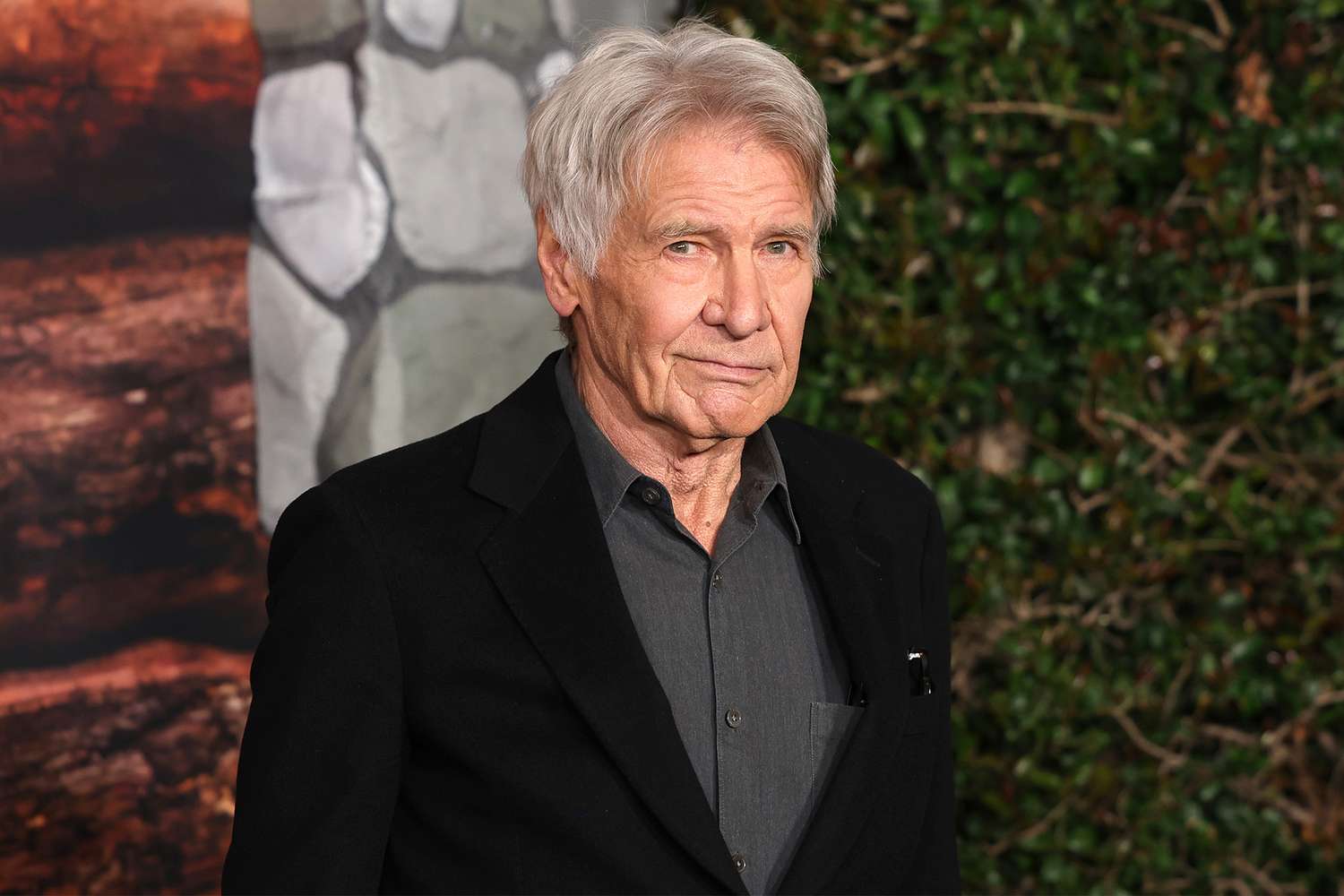
Maya Dehlin Spach/FilmMagic
He was a carpenter before he was a myth. A face in the background. A man who, as legend now has it, was told by a studio talent head that he had “no future in this business.” No voice. No presence. Not enough. That man was Harrison Ford—before the hat, before the whip, before the Millennium Falcon turned him into American cinema’s most reluctant deity.
Rejection has many flavors in Hollywood. Most are bitter. Some are fatal. But Ford’s was strangely medicinal. It cured him of illusion. “That was their opinion,” he said recently, with the dry smirk of a man who’s outlived the verdict. And that simple shrug carries more weight than any audition.
Because maybe what defines a star isn’t belief—it’s defiance.
Stardom Built from Refusal
Ford didn’t explode onto the scene. He seeped into it. By the time he became the face of a generation, the myth had already started without him. There’s something profoundly unmanufactured about his ascent—something unrepeatable. He didn’t charm his way into Hollywood. He withstood it.
And that’s what makes his story less fairy tale and more cautionary fable. The man who was told “no” didn’t prove anyone wrong by chasing yes. He simply kept building—tables, scripts, characters. And in doing so, built himself into something the industry didn’t see coming: permanence.
The irony? The casting executive who dismissed him wasn’t entirely wrong. Ford wasn’t cut from the usual cloth. He didn’t have the polish, the hunger, the pliability. But what he had—what they didn’t measure—was gravity. The kind you don’t train for. The kind that makes silence feel like a monologue.
The Face That Outlived the System
We forget, in the age of self-branding, how many legends were formed by accident. Ford never begged to be iconic. He simply survived long enough to become so. That’s what makes the story worth telling—not because he beat the odds, but because he ignored the scoreboard entirely.
Hollywood is built on talent, yes—but also on permission. Someone has to open the door. But every now and then, someone builds their own. Ford didn’t just become an actor. He became an archetype. And now, decades later, he stands not as a man who proved them wrong, but as a reminder of how often they are.
That talent head, now a footnote, made a misjudgment that echoes through time. But maybe that rejection wasn’t an error. Maybe it was necessary. Maybe some futures only ignite when told they’re impossible.
The face that was too ordinary, too silent, too “not enough” is now etched into the firmament of film. And you wonder—how many more Harrisons are still waiting for permission that will never come?
Or worse, how many already listened?



When Mercy Meets Tragedy: The Widow Who Forgave Her Husband’s Killer
The air thickens when forgiveness enters a room meant for grief. Imagine...
Chris Marks1 Mins read
When Fear Became a Lifeline: Pete Davidson’s Reckoning in Rehab
There’s a silence that follows a mother’s voice when she confesses her...
 Joseph Bennett1 Mins read
Pete Davidson’s mom told him in rehab worst fear was learning he died
Pete Davidson is opening up about the heartbreaking moment he had with...
Chris Marks2 Mins read

Katie Couric’s Unexpected Spin on Sydney Sweeney’s American Eagle Ad: What’s Really Being Said?
Katie Couric stepping into a scene dominated by Gen Z glamour feels...
 Krista Freeland2 Mins read





Leave a comment