

Year of Farewells: A Cultural Reckoning Through Celebrity Deaths
From wrestling legends to rock gods and television icons, 2025 has already become a tapestry of loss, each passing a brushstroke that reshapes our cultural map.
 Chris MarksJuly 24, 20251 Mins read22
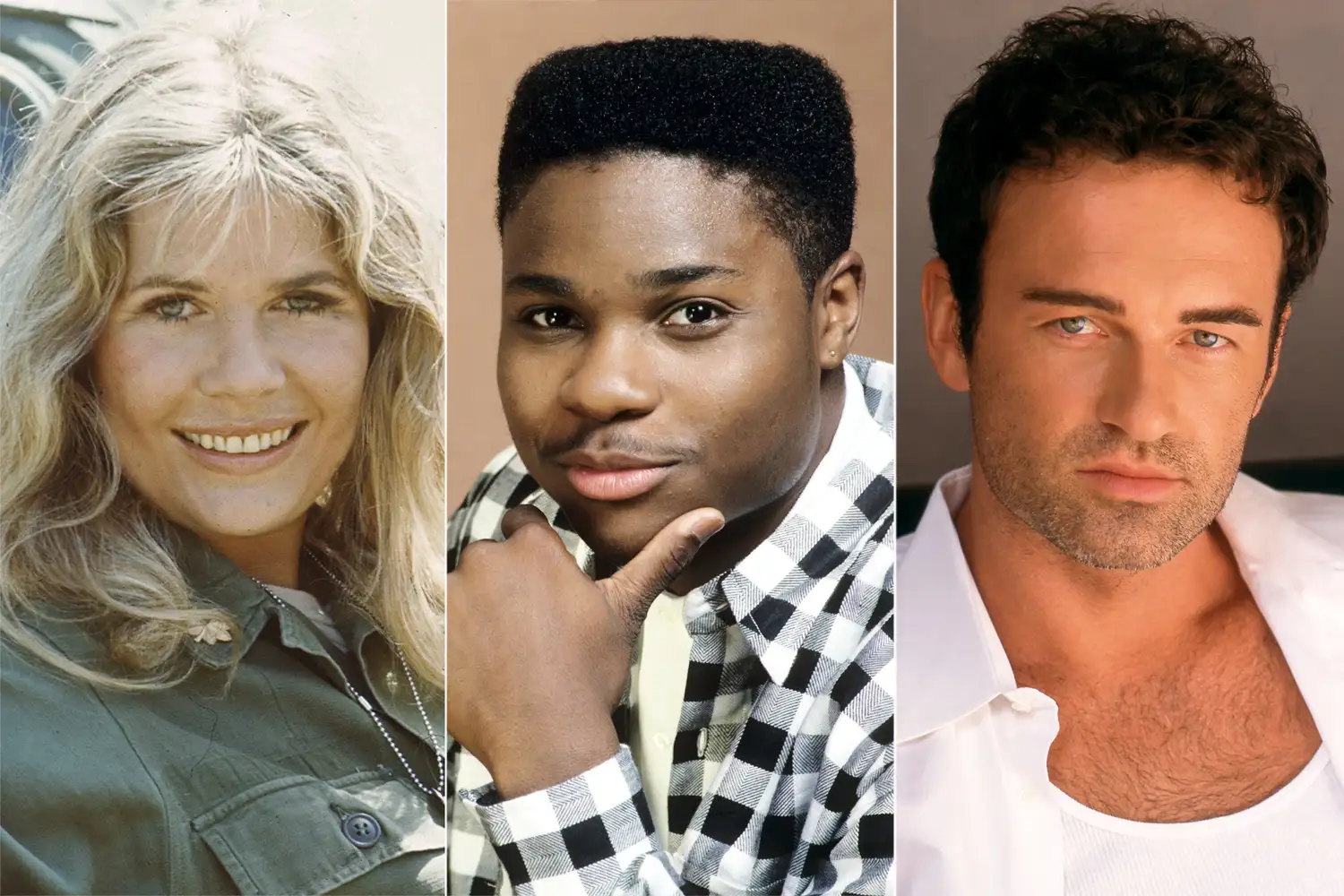
A hush fell over arenas, recording studios, and living rooms this year as icons who felt immortal finally slipped from view.
First came the thunderous exit of Hulk Hogan—strongman of wrestling, actor, cultural phenomenon—his death at 71 from cardiac arrest stirring conversations about vulnerability behind titans. Not long after, a silence more mournful: Ozzy Osbourne, the Prince of Darkness, passed at 76, marking the end of heavy metal’s most eccentric roar.
Across genres, the losses carried weight of resonance: Sly Stone, groove architect of social change, left in June at 82; and Brian Wilson, maestro of beachside innocence, followed in serene twilight. Television wore its own mourning: Loretta Swit’s departure at 87 removed Hot Lips from our screens, and George Wendt’s Norm Peterson—barstool philosopher—sipped his final drink at 76. And then came Malcolm-Jamal Warner, Theo Huxtable to generations, whose sudden drowning at 54 felt like stepping into a half-finished conversation about grace and growth.
Icons Beyond Performance, Lives Beyond Legacy
What attaches us to these figures isn’t only their art—it’s their personhood. Ozzy’s final show melded family drama with stage spectacle, ending with daughter Kelly’s engagement—life and legacy blurred in real time. Warner, off-camera, curated creative havens in Atlanta, remembered as “profoundly decent.” Rarely do we see a constellation of fame and humanity shine so plainly until it’s gone.
But the losses weren’t limited to fame’s mainstream. Anne Burrell’s tragic suicide at 55 reminds us that the comforting voice in our kitchens bore unseen pain. Ananda Lewis—a voice for youth, activism, authenticity—also left us too soon. Their departures underscore a truth: cultural visibility rarely equals emotional sanctuary.
When Farewell Feels Like A Mirror
As these passings accumulate, a collective question forms: what does it mean when icons die in their prime, others in long twilight? How does their mortality refract our own hopes, regrets, and vulnerabilities? Their deaths are not signposts of an era’s end—they are reflections of time, empathy, and perhaps a reckoning with why we mourn.
The stream of farewells continues—artists and advocates, heroes and hidden hearts. Yet, in each departure, we find not only sorrow, but a prompt: to listen more carefully, live more artfully, and ask who we, too, might become when our turn arrives.
Whose echo will fade next—and what will it leave behind?





When Mercy Meets Tragedy: The Widow Who Forgave Her Husband’s Killer
The air thickens when forgiveness enters a room meant for grief. Imagine...
Chris Marks1 Mins read
When Fear Became a Lifeline: Pete Davidson’s Reckoning in Rehab
There’s a silence that follows a mother’s voice when she confesses her...
 Joseph Bennett1 Mins read
Pete Davidson’s mom told him in rehab worst fear was learning he died
Pete Davidson is opening up about the heartbreaking moment he had with...
Chris Marks2 Mins read

Katie Couric’s Unexpected Spin on Sydney Sweeney’s American Eagle Ad: What’s Really Being Said?
Katie Couric stepping into a scene dominated by Gen Z glamour feels...
 Krista Freeland2 Mins read





Leave a comment