

Why Your Surgery Date Might Matter More Than You Think
When it comes to surgery, timing isn't just logistical—it could be clinical. Studies suggest the day of the week may impact recovery, outcomes, and even complications. Coincidence… or quiet truth?
 Kirsten CollinsApril 2, 20251 Mins read59

kupicoo / Getty Images
Most people choose their surgery dates based on convenience—work leave, childcare, travel logistics. But what if the calendar mattered more than the clock? What if Monday’s incision heals differently than Thursday’s?
It sounds superstitious. But mounting evidence suggests it may not be. Several studies have quietly revealed a curious truth: patients who undergo surgery later in the week—especially on Fridays—may face slightly higher risks of complications, delayed follow-up care, or longer recoveries.
The Science of Scheduling
Why would this matter? Think staffing patterns. Weekend coverage. Fatigue. A Friday afternoon operation could mean your first critical 48 hours fall over a weekend—when hospital staffing is thinner, specialists are off-call, and recovery protocols may not be as responsive.
It’s not about negligence. It’s about rhythms. Hospitals, like any workplace, have peaks and valleys. Mondays are brisk, systems are alert, eyes are fresh. By Friday, the tempo shifts—slower, less supervision, more handoffs. In a high-stakes setting like surgery, even minor delays can ripple.
A recent surgeon noted: “It’s not that outcomes are doomed on Fridays—but if you have the luxury of choosing, earlier in the week gives you a clinical edge.”
When Strategy Meets Science
Of course, emergencies don’t wait for ideal timing. And skilled teams operate brilliantly across all days. But for elective procedures, knowing this nuance can help you make smarter choices—ones rooted not in fear, but in awareness.
Choosing a Tuesday or Wednesday might mean faster mobilization, more consistent rounds, and a clearer post-op trajectory. And perhaps, fewer surprises.
So while your surgery is shaped by many things—your health, your surgeon, your plan—don’t ignore the calendar. It might be the quietest variable with the loudest impact.







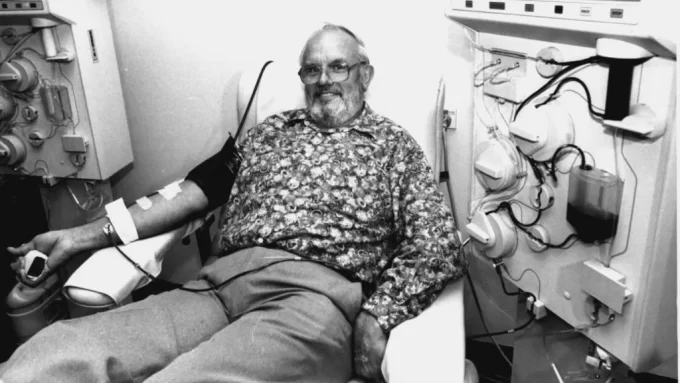
The Man Who Bled for Millions
He saved over 2.5 million babies, but no one ever recognized him...
Kirsten Collins2 Mins read

The Silence Before the Sneeze
A dead bird, limp on the edge of a sidewalk in Guangdong,...
Kirsten Collins2 Mins read
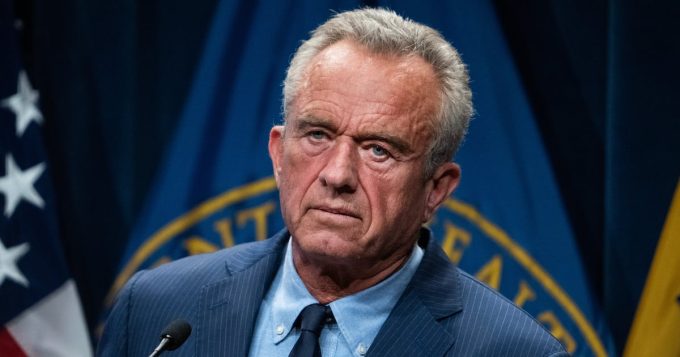
The Fetishization of Fear: RFK Jr. and the Vaccine Fetuses Lie
It begins, as these things always do, with a whisper dressed as...
Kirsten Collins2 Mins read

The Lie That Keeps Mutating
The seduction of scandal is ancient, but its latest host is disturbingly...
Kirsten Collins2 Mins read





Leave a comment