

When Art Becomes Accusation: Willem Dafoe on the Last Temptation’s Darkest Backlash
Willem Dafoe’s candid reflections on the unexpected and disturbing antisemitic backlash against The Last Temptation of Christ reveal how art can be weaponized—and misunderstood—in ways that haunt decades later.
 Chris MarksAugust 21, 20251 Mins read15
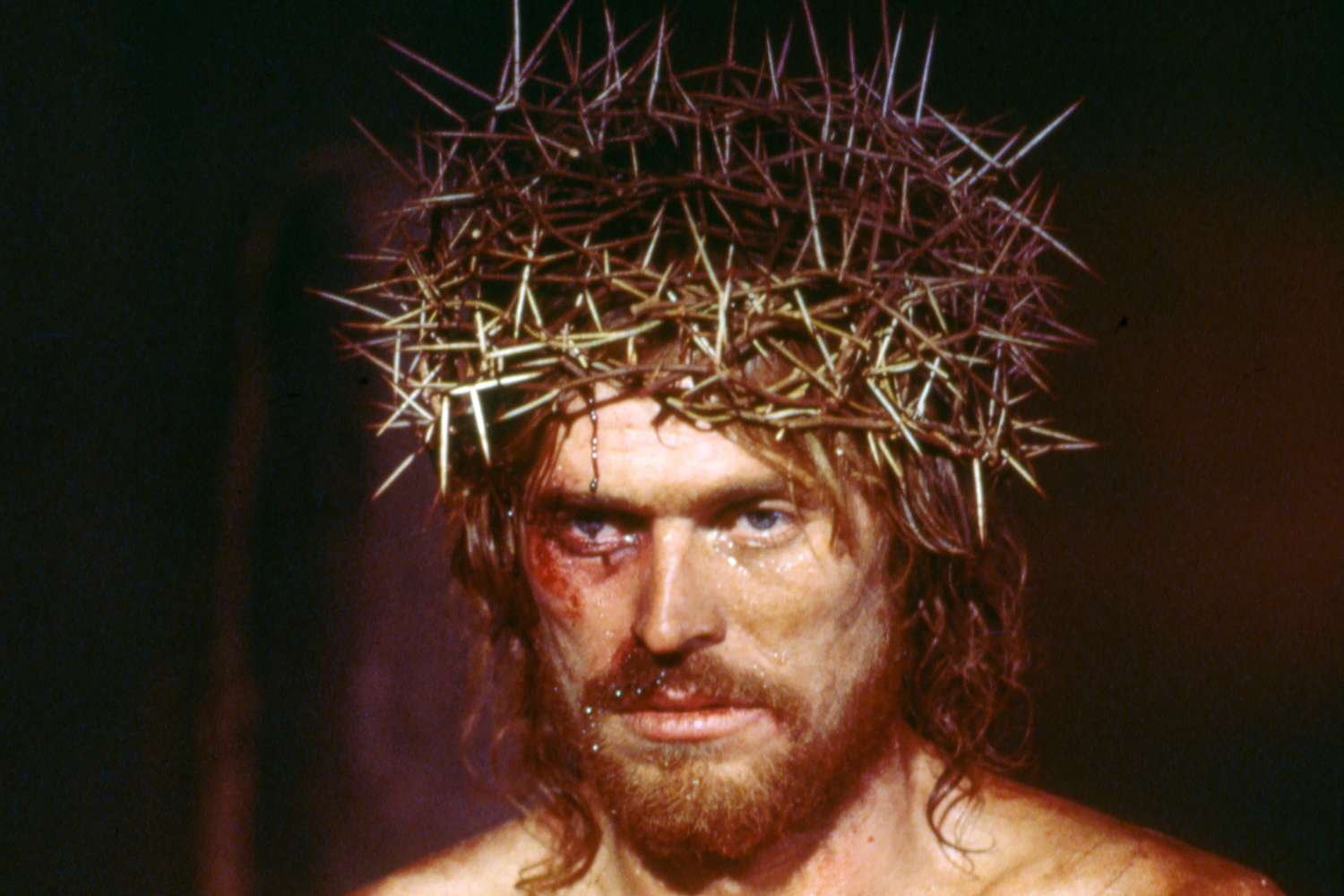
Universal Pictures/Sunset Boulevard/Corbis via Getty
The way a film can unravel a career, reshape a narrative, and invite unspoken hostilities is a haunting story few dare to tell. Willem Dafoe, an actor known for his fearless commitment, revisits the storm that followed The Last Temptation of Christ—a controversy that spiraled beyond criticism into the dark alleys of antisemitism. It’s a story not just about a movie, but about how art’s intentions can be twisted into weapons, fracturing dialogue and breeding suspicion.
Dafoe’s recollections aren’t just a walk down memory lane—they are an unsettling reminder that cultural clashes often mask deeper fears, prejudices, and unresolved histories. How does an artistic endeavor ignite such incendiary backlash? More intriguingly, why does this backlash linger in the shadows of memory, like a whisper that refuses to die?
Echoes Beyond the Screen
The backlash wasn’t simply about blasphemy or religious offense—those familiar battlegrounds of creative expression. Dafoe points to a darker current: “It became an antisemitic thing, which was very disturbing,” he says quietly, as if the weight of those words still presses down decades later. The film’s Jewish creators were targeted in ways that exposed how art can become a proxy for ancient hatreds.
What happens when the outrage directed at a piece of art morphs into something far more insidious? This revelation forces us to reconsider how society debates sacred topics, where lines between critique and bigotry blur dangerously. The conversation around The Last Temptation was never just about film—it was a mirror reflecting broader, unresolved tensions.
Art as a Battlefield
Willem Dafoe’s experience underscores a timeless paradox: art seeks to provoke, to challenge, yet it can also become a battleground for political and cultural wars far beyond the artist’s intent. How much of this conflict was about Dafoe’s portrayal, and how much was about the collective discomfort with confronting uncomfortable truths?
This is not just a cautionary tale but an invitation to examine the legacy of censorship and prejudice in creative spaces. As Dafoe reflects, the scars left by that backlash reveal how fragile the relationship between art and society truly is. When does artistic freedom become collateral damage in larger cultural conflicts?
Dafoe’s story lingers, urging us to listen closely—because sometimes the most powerful dialogues happen in the spaces between what is said and what is silenced.





Who Is Harry Styles’ ‘Aperture’ About? Breakdown of the Lyrics – Hollywood Life
View gallery Image Credit: Getty Images We’ve doing doing all this late...
 Kirsten Collins1 Mins read
When Are the Oscars 2026? Date of the Academy Awards – Hollywood Life
Image Credit: AFP via Getty Images The Oscars are officially on the...
Kirsten Collins1 Mins read
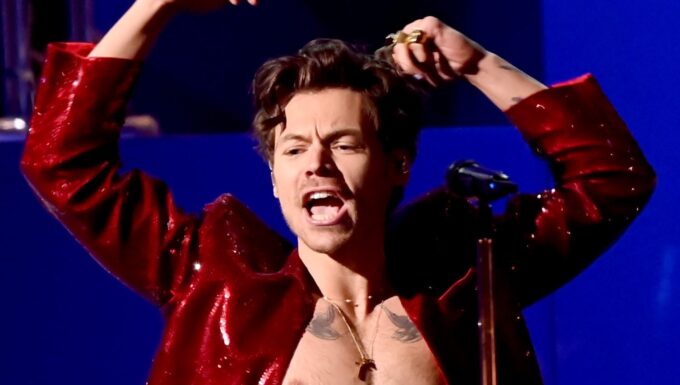
Ticket Prices & Presale Details – Hollywood Life
View gallery Image Credit: Dave J. Hogan/Getty Images Harry Styles is embarking...
Kirsten Collins2 Mins read
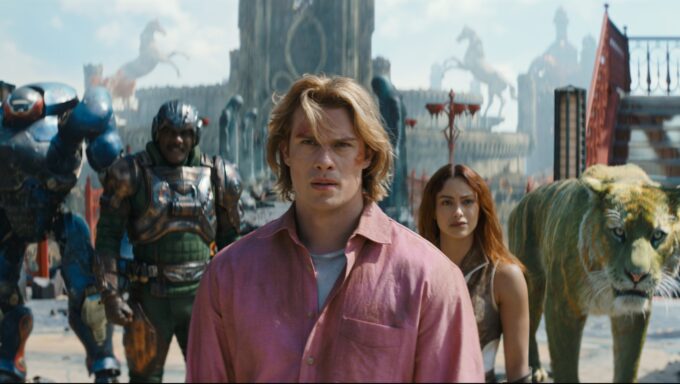
See Release Date, Cast & Trailer – Hollywood Life
Image Credit: ©2026 Amazon MGM Studios Content Services LLC Masters of the...
Kirsten Collins1 Mins read





Leave a comment