

Willem Dafoe’s Silent Rebellion: When an Icon Refuses to Play Politics
Willem Dafoe sidesteps the American political circus with a refusal that speaks louder than any soundbite. What does it mean when a public figure chooses silence over spectacle?
 Chris MarksAugust 21, 20251 Mins read22
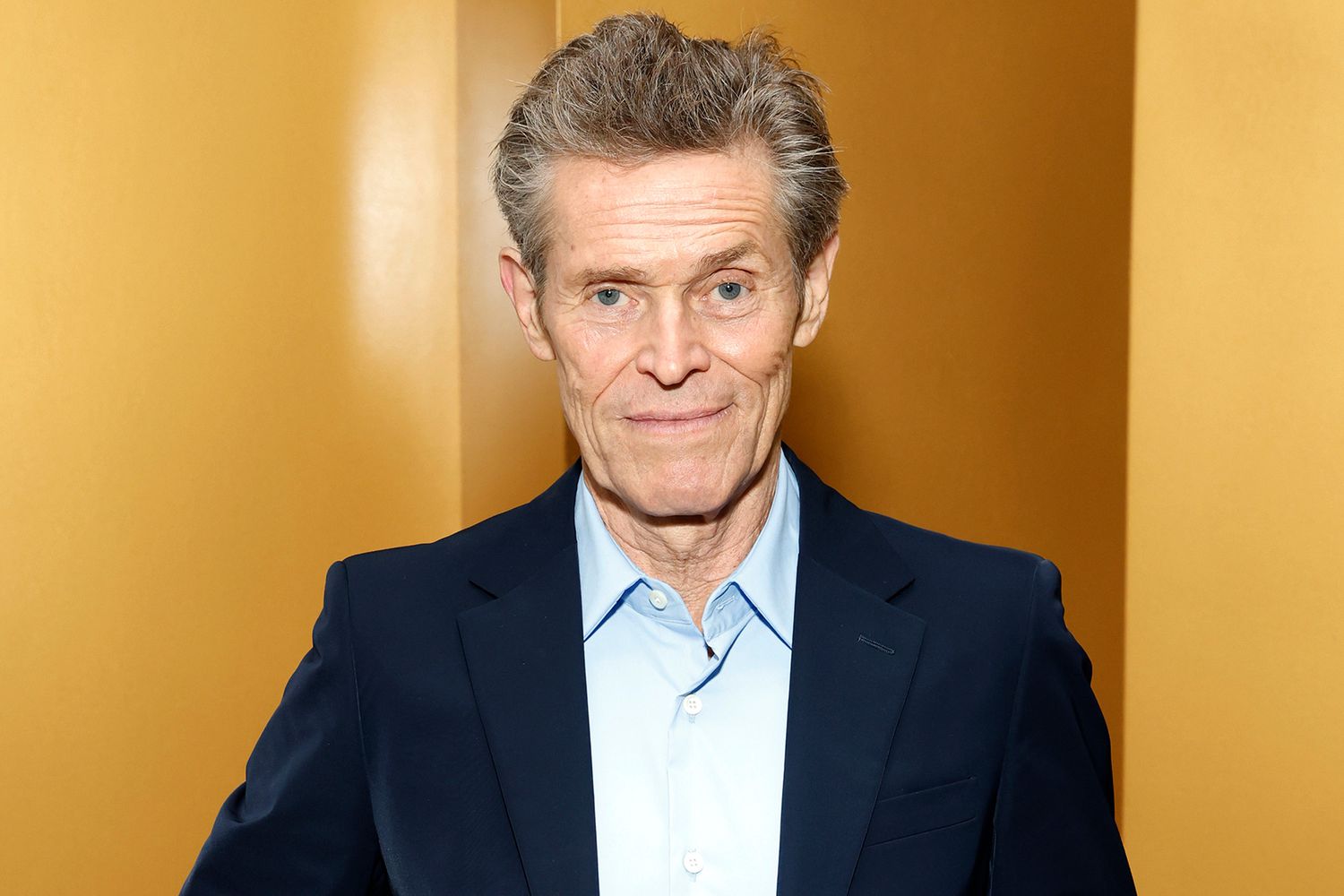
Robin Marchant/Getty Images
There are moments when silence roars louder than words—and Willem Dafoe just delivered one. When pressed about American politics, a subject that ignites passions and polarizes crowds, Dafoe’s refusal to engage is less an evasion and more a deliberate act of defiance. But why does an actor known for his fearless roles choose to retreat from the world’s most combustible stage?
It is tempting to dismiss such a moment as mere avoidance, yet beneath the surface lies a tension as complex as any character Dafoe has embodied. The question lingers: in an era where celebrities are often expected to be pundits, does withholding opinion hold its own power? Or does it betray a deeper disillusionment with the performative nature of political discourse?
Curtain Call for the Unspoken
Dafoe’s silence challenges the prevailing narrative that public figures owe the world their political stance. It begs us to reconsider the role of the artist: are they merely mirrors reflecting society’s chaos, or can they resist the demand to simplify their identities into political soundbites? One cannot help but recall Dafoe’s own words: “Sometimes the most radical thing is to say nothing at all.” Is this silence a form of protest, or simply a refuge?
The Politics of Presence and Absence
In the spotlight’s unforgiving glare, what does it mean to choose absence? Dafoe’s refusal disrupts the expectation that Hollywood must always be loud and partisan. It exposes a fault line in celebrity culture—between authenticity and spectacle, engagement and exhaustion. The silence is a question in itself: in a world drowning in noise, can true influence come from the spaces in between?
Willem Dafoe’s quiet defiance is more than a refusal; it is an invitation to look beyond the obvious, to question what we demand of those we idolize. When the world clamors for answers, sometimes the most telling response is the one that leaves us wanting more.




When Mercy Meets Tragedy: The Widow Who Forgave Her Husband’s Killer
The air thickens when forgiveness enters a room meant for grief. Imagine...
Chris Marks1 Mins read
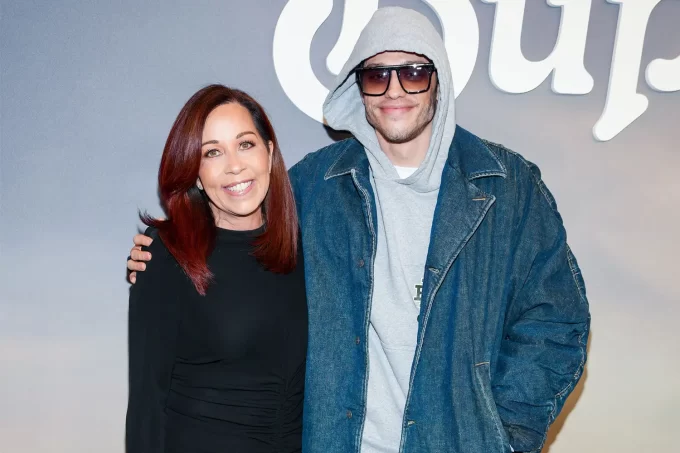
When Fear Became a Lifeline: Pete Davidson’s Reckoning in Rehab
There’s a silence that follows a mother’s voice when she confesses her...
 Joseph Bennett1 Mins read
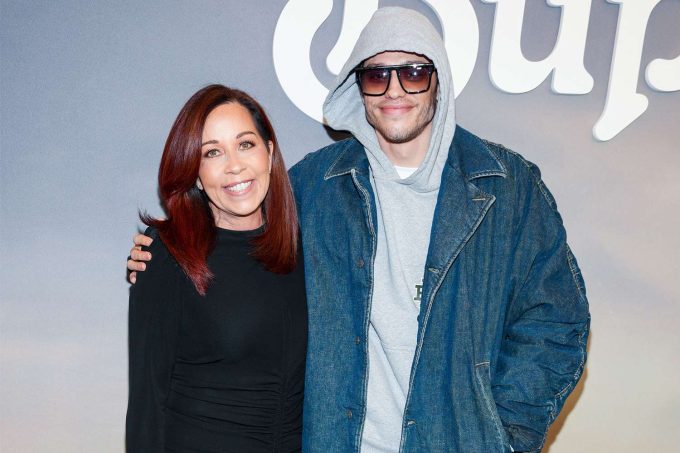
Pete Davidson’s mom told him in rehab worst fear was learning he died
Pete Davidson is opening up about the heartbreaking moment he had with...
Chris Marks2 Mins read

Katie Couric’s Unexpected Spin on Sydney Sweeney’s American Eagle Ad: What’s Really Being Said?
Katie Couric stepping into a scene dominated by Gen Z glamour feels...
 Krista Freeland2 Mins read




Leave a comment