

Plastic Souls, Eternal Returns
Tim Allen’s offhand confession has done more than hint at a Toy Story 5—it’s cracked open the vault of Pixar’s most sacred tale. But why bring Woody and Buzz back now, and at what cost to the legacy we thought was sealed?
 Chris MarksApril 22, 20252 Mins read65
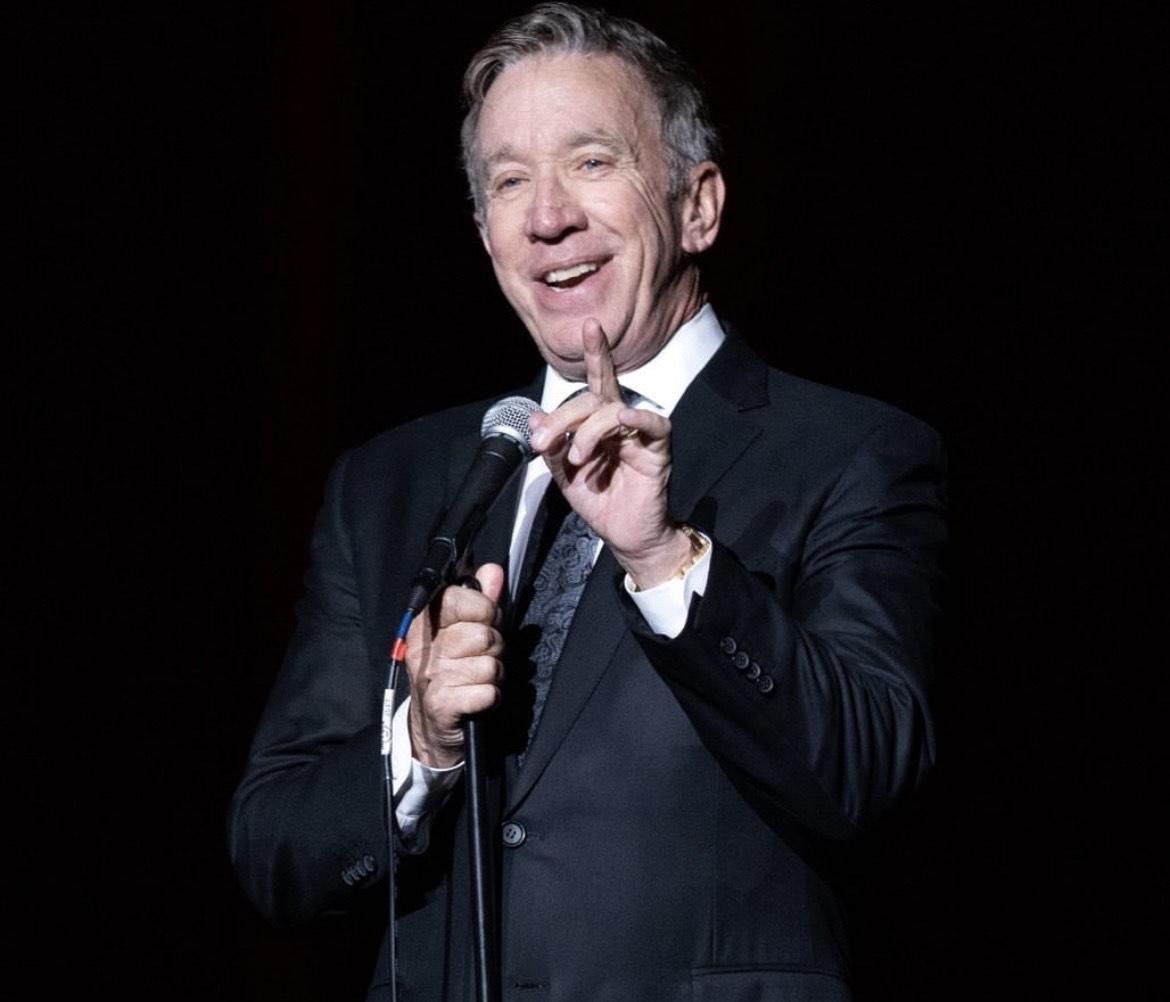
They buried the cowboy’s hat in 2019—delicately, sentimentally, with the kind of finality that left adults quietly weeping in the back rows of midnight screenings. But Pixar, ever the necromancer of childhood, is reaching once again into the toy chest. And this time, it’s not just nostalgia they’re toying with—it’s the idea of an afterlife for stories we swore were done.
Tim Allen didn’t need to say much. Just a line, dropped like a breadcrumb in the middle of late-night banter: “Woody and I are back.” Not “maybe,” not “hopefully”—back. Suddenly, the air shifts. The cinematic equivalent of the undead rising from a perfectly good funeral. You don’t unring the bell of Toy Story 4. So why are they ringing it again?
The Myth of the Perfect Goodbye
We were told Toy Story was a trilogy. Then a quartet. Now—who knows? It was always more than a kids’ film. Woody was duty. Buzz was delusion. Andy was change. Every sequel stepped deeper into the existential—and every ending felt like a risk that paid off. So when Toy Story 4 handed Woody his freedom and left Buzz fading into the fog of goodbye, it was poetry. Imperfect, brave, beautiful.
To continue is not just a creative decision—it’s a philosophical one. What does it mean to resurrect a story that has said all it came to say? Are we making new meaning, or cannibalizing the old? “There’s just something about those characters,” Allen added in his tease. Yes. That’s the problem. There is something. We’ve anthropomorphized our emotions into these plastic shells—and now we can’t let them go.
Who Owns Our Memories Now?
There’s a darker undercurrent to this revival. In the age of IP worship, legacy characters aren’t characters anymore—they’re cultural hostages. We don’t revisit them because we need them; we revisit them because they’re profitable. Because, like Woody, they can’t say no to one last mission.
But what if we, the audience, are the real toys? What if we’ve become so conditioned to revival, reboot, return, that we’re addicted to the déjà vu? The illusion of safety. Of reconnection. It’s seductive, isn’t it? The idea that a story can always go on, that nothing beloved must ever end. But endings are what make stories sacred. Without death, meaning evaporates.
Somewhere in a dusty box, the cowboy hat waits again. Not as a relic. As a product. But if Woody taught us anything, it’s that toys come to life when we aren’t watching. So the question isn’t just Will Toy Story 5 be good?—it’s Should it exist at all?
And deeper still: What happens when the toys outgrow us?





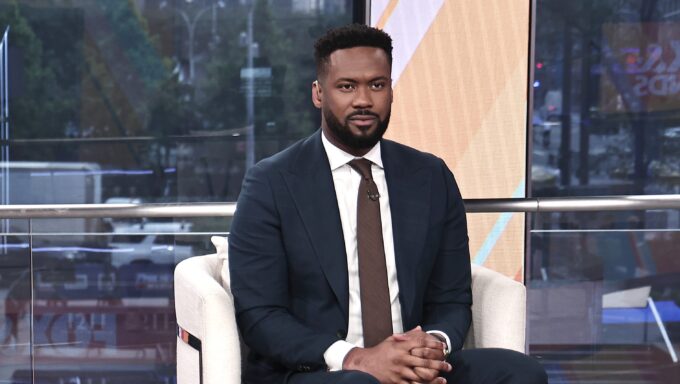
Where Is Lawrence Jones on ‘Fox & Friends’? Health Update Amid Hiatus – Hollywood Life
Image Credit: Getty Images Fans of Lawrence Jones, a Fox & Friends...
 Kirsten Collins1 Mins read

Who Is Lexi Minetree? 5 Things to Know About the ‘Elle’ Series Actress – Hollywood Life
View gallery Image Credit: Getty Images for Hello Sunshine Lexi Minetree plays...
Kirsten Collins2 Mins read
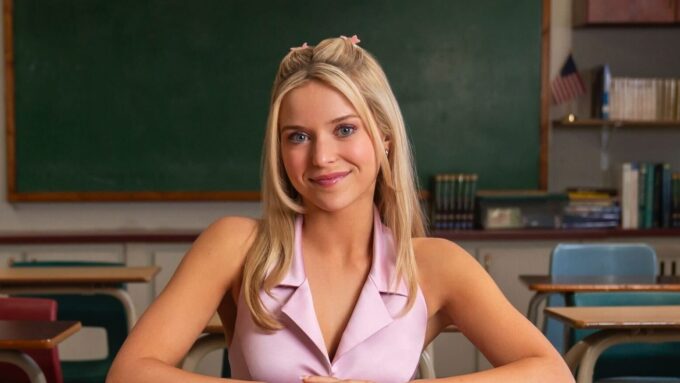
Release Date, Cast & Updates on ‘Elle’ – Hollywood Life
View gallery Image Credit: Courtesy of Prime Video What, like producing a...
Kirsten Collins2 Mins read
Updates on Academy Award Nominations – Hollywood Life
Image Credit: Warner Bros. Pictures Awards season kicked off earlier this month,...
Kirsten Collins2 Mins read




Leave a comment