

Ancelotti’s Brazil: A Masterstroke or a Mirage?
Raphaël Varane, a World Cup winner, has thrown his weight behind Carlo Ancelotti's appointment as Brazil's head coach. But is this endorsement a harbinger of glory or a fleeting hope?
 Chris MarksMay 19, 20251 Mins read17
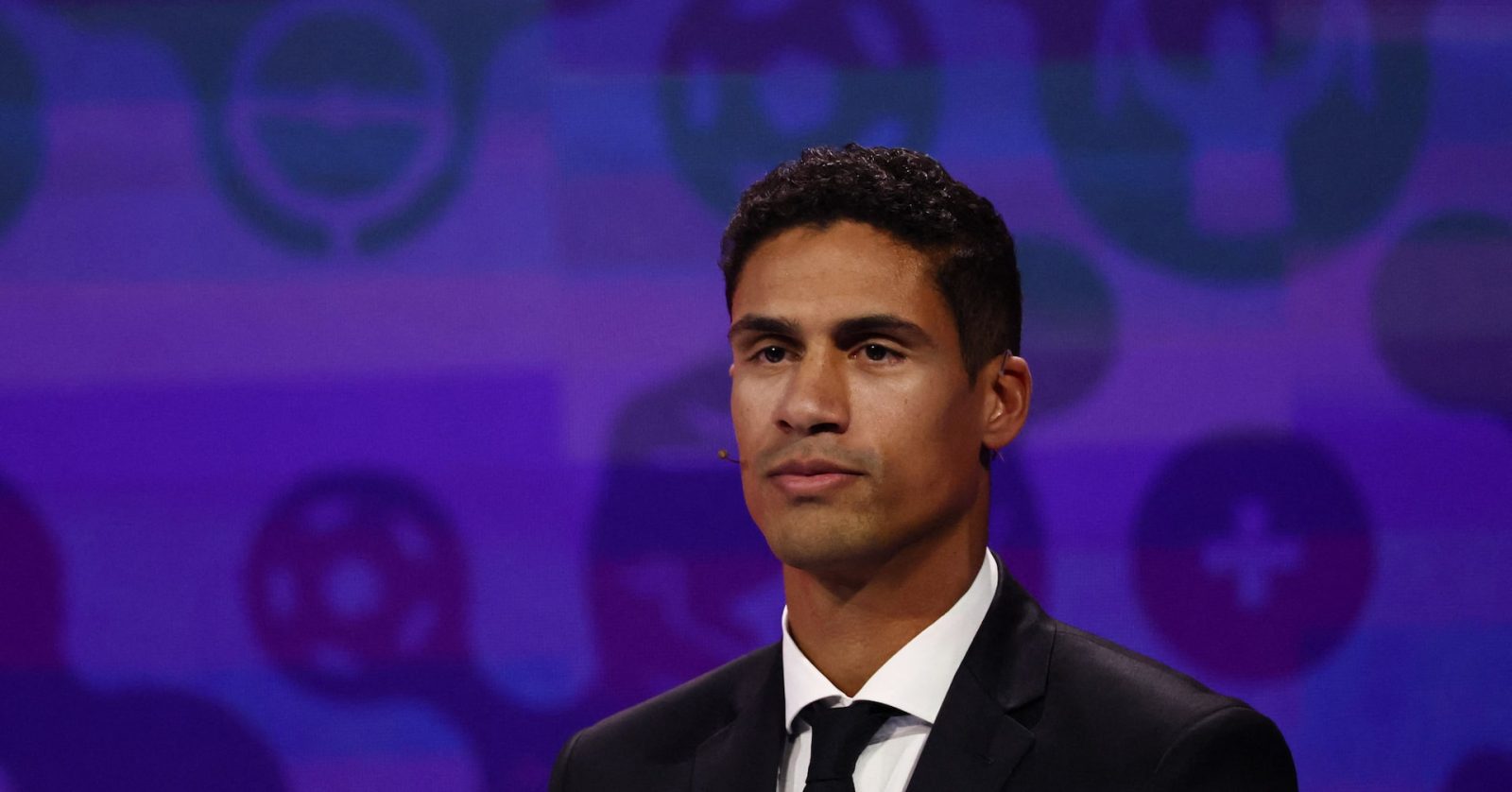
In the shadow of Brazil’s footballing giants, a whisper grows louder: can a European tactician resurrect a nation’s pride? Raphaël Varane, the French World Cup hero, believes so. His endorsement of Carlo Ancelotti as Brazil’s next head coach isn’t just a nod—it’s a clarion call. But what does this truly signify?
A Legacy Reimagined
Ancelotti’s appointment marks a historic shift. As Brazil’s first permanent foreign coach since 1925, he steps into a role laden with expectation. Varane, who flourished under Ancelotti at Real Madrid, lauds his former mentor’s ability to extract peak performance from players, even amidst limited preparation—a skill crucial for international football’s compressed timelines. But can this approach translate to Brazil’s unique footballing culture?
A Nation in Flux
Brazil’s recent performances have been underwhelming. With only six wins in their last 14 matches and a 10-point deficit to Argentina in World Cup qualifiers, the Seleção’s path to the 2026 tournament appears daunting. Yet, Ancelotti’s track record—spanning five Champions League titles and league victories across Europe’s top five leagues—suggests a manager capable of orchestrating comebacks. But does success in club football guarantee triumph on the international stage?
The Ancelotti Enigma
Known for his composed demeanor and tactical flexibility, Ancelotti’s style contrasts with the high-intensity methods of many contemporary coaches. Varane reflects on this, noting that Ancelotti’s approach allows players the freedom to express themselves—a rarity in today’s structured footballing world. But in a team as diverse and passionate as Brazil, will this freedom foster harmony or discord?





Barcelona’s Fragile Pursuit: When Injuries Threaten More Than Just a Season
A silence spreads over Camp Nou that no roar can drown out—two...
Chris Marks2 Mins read
William Saliba: Arsenal’s Silent Architect or Its Greatest Gamble?
The air inside the Emirates shifts with unspoken tension—William Saliba, once a...
 Joseph Bennett2 Mins read
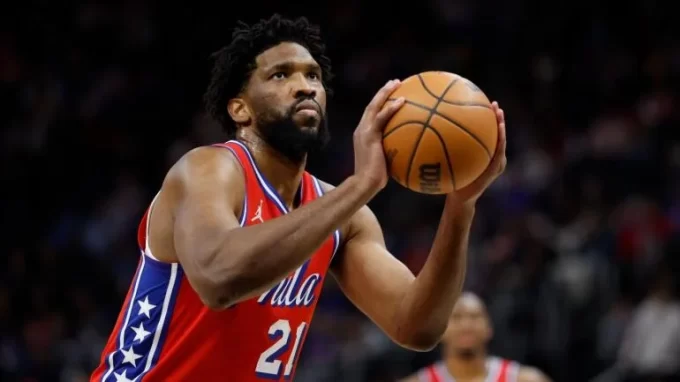
Joel Embiid’s Quiet Confidence: Is the 76ers’ Giant Ready to Rewrite His Story?
Joel Embiid is rarely one to make noise without purpose, and now,...
 Kirsten Collins1 Mins read
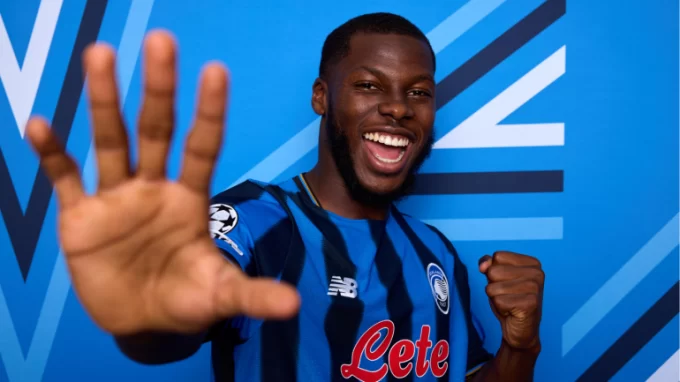
Juventus, Atalanta, and Arsenal’s Quiet Revolution: What’s Really Shaping This Week in Football?
The roar of Serie A stadiums masks a subtle shift, one that...
Kirsten Collins2 Mins read




Leave a comment