

The Cult Returns: Why Is WU LYF Back—and Why Now?
The elusive Manchester band WU LYF has announced a London residency and a major performance at MIF 2025. But is this a reunion, a resurrection—or a reckoning?
 Chris MarksMay 6, 20252 Mins read29
There was never a band like WU LYF. Not really. Just a shadow, a sound, and a smokescreen of mystique. And now—against all logic, against their own mythology—they’ve returned.
Announced in hushed headlines and sudden posters across London and Manchester, WU LYF will perform again: a multi-night residency in the capital, followed by a headline set at the Manchester International Festival in 2025. The band that once vanished mid-sentence has picked up the mic again, and no one seems quite sure whether to cheer or hold their breath.
This was a group that never asked to be understood. Fronted by the raspy sermon of Ellery Roberts and cloaked in acronyms, ambiguity, and apocalyptic chorales, WU LYF (World Unite Lucifer Youth Foundation) felt more cult than collective. Their only full-length album, Go Tell Fire to the Mountain, was both prophecy and provocation—recorded in a church, sung like a riot, delivered like scripture. And then? Silence. The kind that feels like it means something.
A Band Built on Disappearance
What does it mean when a band returns from myth, not memory? When disappearance becomes identity? WU LYF’s vanishing act was as much a part of their fame as their sound—disillusioned with the industry, allergic to explanation, they left the stage like they left the womb: howling. That final note—“You lost your mind in the sound”—now echoes with new meaning.
This reappearance isn’t just unexpected; it’s disorienting. The timing is too clean, the venues too polished, the festival too institutional. WU LYF once mocked the machinery of performance—so what does it mean to step back into its arms? “It’s not a comeback,” one insider allegedly told a fan forum, “It’s a reckoning.” Whether that’s promise or threat is unclear. But perhaps that’s the point.
The Choir, the Collapse, and What Comes After
To listen to WU LYF today is to hear a different kind of noise. In 2011, they screamed at a system. In 2025, the system is screaming back. Their original sound—post-apocalyptic gospel, dripping with rage and redemption—has found its cultural echo in a time thick with collapse and curated chaos. This isn’t nostalgia. It’s resonance.
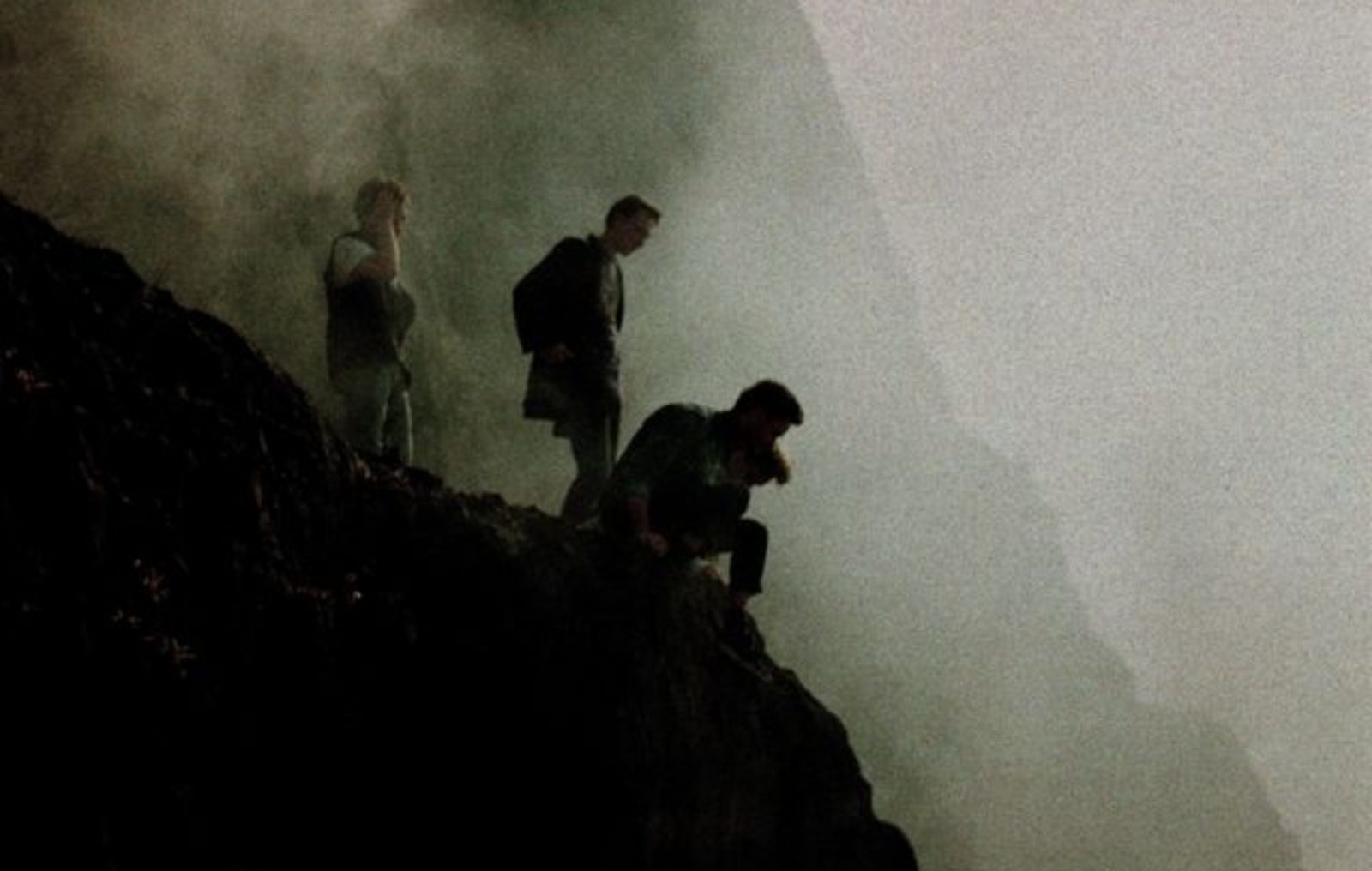
The band has said almost nothing. No press statement. No Instagram manifesto. Just a photograph of the four original members standing in shadow, with a date and a city. It’s either marketing genius or a prayer in code. “We don’t believe in being understood,” Roberts once said in an early interview, eyes fixed somewhere past the camera. “We believe in being felt.”
And maybe that’s why this moment matters. In a cultural landscape addicted to clarity and closure, WU LYF offers the opposite. Obscurity as oxygen. Mystery as message. They’re back—but maybe they never really left. Maybe this is just another part of the ritual.
Maybe the fire never went out. Maybe it just went underground.
And maybe this time, it’s coming for us.






Laufey’s Opening Night Show at LA’s Crypto.com Arena: Best Moments
Laufey opened a two-night stand at Crypto.com Arena in downtown Los Angeles...
Chris Marks6 Mins read

Julie Adam Is Billboard Canada Women in Music’s 2025 Exec of the Year
Julie Adam is having a milestone year — and it’s getting even...
Chris Marks4 Mins read

Spinal Tap Tribute Album with Foo Fighters,Tool for Teen Cancer America
Spinal Tap may be a fake band, but its music is very...
Chris Marks2 Mins read

AxMxP Is K-Pop Rookie of the Month for September: Exclusive Photos
Ha Yoo Joon Image Credit: Chin Soyeon You debuted on Sept. 10....
Chris Marks2 Mins read



Leave a comment