

Paul Blackburn’s Quiet Arrival: A New Twist in the Yankees-Red Sox Saga?
As the Yankees sign former All-Star right-hander Paul Blackburn ahead of their heated series against the Red Sox, one must wonder: is this just a roster move, or the subtle beginning of something much bigger?
 Chris MarksAugust 21, 20251 Mins read21

There’s an understated tension in the air, not just because the Yankees are facing their age-old rivals, but because the quiet arrival of Paul Blackburn has everyone wondering: what exactly is the Yankees’ game here? The former All-Star right-hander, once a bright spark in a crowded league, has landed in New York at a moment when every decision feels charged with implication.
Blackburn’s signing is not just a patch on the pitching staff—it’s a whisper, a strategic recalibration that carries weight far beyond the mound. Is this a last-minute gamble, a subtle message to the Red Sox, or a signal of deeper shifts brewing beneath the glossy surface of Yankee Stadium?
Shadows of the Past, Glimmers of the Future
Paul Blackburn’s career has been a series of peaks and pauses, a journey marked by flashes of brilliance and the struggle to sustain it. The Yankees have seen enough to believe there’s more left in the tank. “He’s got the stuff,” one insider noted, “and sometimes that’s all it takes to change the narrative.” But what narrative are they trying to rewrite? And can Blackburn become the fulcrum of that change?
The Chess Game Behind the Scenes
In baseball, every roster move is a calculated risk, a piece placed on a sprawling chessboard where rivalries deepen with every inning. Blackburn’s arrival feels like more than just filling a vacancy; it’s a move charged with anticipation and quiet defiance. With the Red Sox looming, is this the Yankees signaling readiness to disrupt the status quo? Or merely hedging bets on a pitching staff desperate for new life?
What Blackburn’s signing really unveils might not be seen on the stat sheets but felt in the charged atmosphere of a classic rivalry renewed. As the series approaches, the question remains: will this seemingly modest addition tilt the balance, or is it simply the opening act of a season steeped in uncertainty?
In a city obsessed with legacy and expectation, the arrival of Paul Blackburn asks us all to lean closer, to watch not just the game, but the silences in between. Because sometimes, the most telling plays are made before the first pitch.






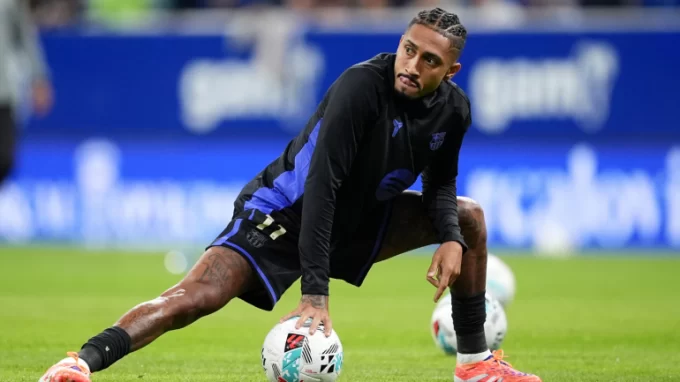
Barcelona’s Fragile Pursuit: When Injuries Threaten More Than Just a Season
A silence spreads over Camp Nou that no roar can drown out—two...
Chris Marks2 Mins read
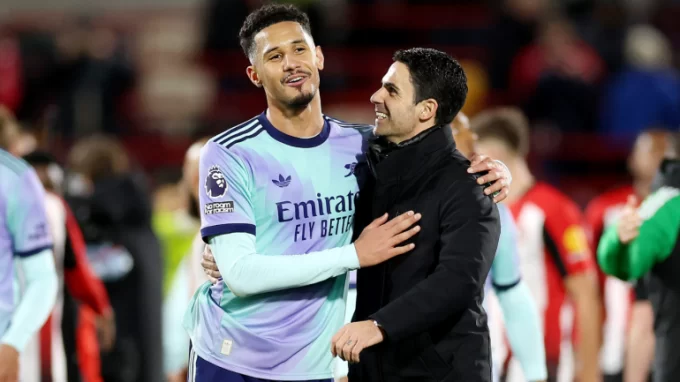
William Saliba: Arsenal’s Silent Architect or Its Greatest Gamble?
The air inside the Emirates shifts with unspoken tension—William Saliba, once a...
 Joseph Bennett2 Mins read

Joel Embiid’s Quiet Confidence: Is the 76ers’ Giant Ready to Rewrite His Story?
Joel Embiid is rarely one to make noise without purpose, and now,...
 Kirsten Collins1 Mins read
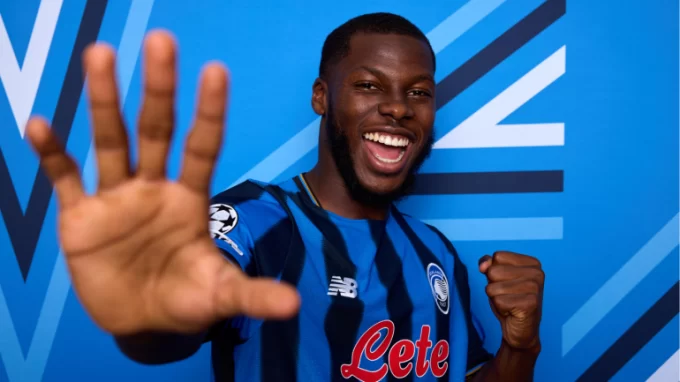
Juventus, Atalanta, and Arsenal’s Quiet Revolution: What’s Really Shaping This Week in Football?
The roar of Serie A stadiums masks a subtle shift, one that...
Kirsten Collins2 Mins read





Leave a comment